

What is Acquired Brain Injury (ABI)
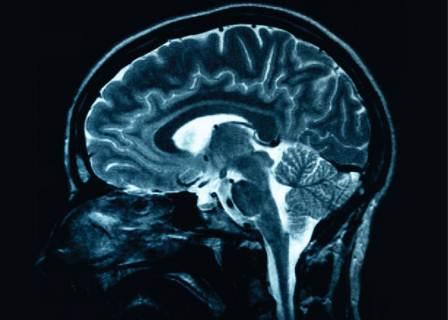
The term Acquired Brain Injury (ABI) is used to describe all types of brain injury that occur after birth. The brain can be injured as a result of:
|  |
Changes After ABI
Changes as a result of an acquired brain injury can include:
- Medical difficulties (epilepsy)
- Altered sensory abilities ( impaired vision , touch , smell )
- Impaired physical abilities (weakness, tremor, spasticity)
- Impaired ability to think and learn ( forgetful , poor attention)
- Altered behaviour and personality (short tempered, lethargic, flat or depressed)
- Impaired ability to communicate (slow or slurred speech , difficulty following conversation)
Recovery after brain injury differs from person to person. It can depend on the type of brain injury, where the brain is injured and the extent of the brain injury. Impairments can be either temporary or permanent, and can cause either specific or more widespread disability. Individuals may also find that the nature of their problems changes over time.
In the longer term most people with ABI report changes in thinking (eg attention and memory) and behaviour while only 25% of people with a severe ABI will experience ongoing physical disabilities. Changes in thinking and behaviour are hard for other people to recognise. People who do not understand the hidden difficulties from an acquired brain injury may believe the person is being lazy or difficult.
Any changes, from mild to severe, require a period of adjustment, both physically and emotionally. Adjustment to these changes will not only affect the person who has had the brain injury but also the family, friends and carers who are supporting the person
Is ABI the Same as Intellectual Disability?
Although there may be some similarities between intellectual disability and ABI it is not the same. ABI is recognised as a separate disability under our health and welfare system. People with ABI usually retain their intellectual abilities but have difficulty with specific thinking skills. They have a period of typical developing and functioning so the changes after an ABI represent a loss. People with ABI can experience significant recovery and many problems improve with time. Because of the differences between ABI and intellectual disability, the treatment and services used often differs.
For further information on Intellectual Disability please visit Achieve Australia:
https://achieveaustralia.org.au/ndis-overview-and-faqs/intellectual-disability/
How Common is ABI?
Because there are many different definitions of brain injury, it is difficult to say the exact number of people who will acquire a brain injury in any year (incidence) or the exact number of people who live with the effects of brain injury at any one time (prevalence).
However using the census and other sources here are a few statistics of interest.
- It is estimated that for each year more than 11,000 Queenslanders are expected to acquire a brain injury, of which 4,000 will develop a serious disability.
- Motor vehicle accidents will be responsible for 70% of traumatic brain injuries and 70% will involve young people aged between 16 - 24 years Two thirds of those injured will be males.
- Approximately 2% of the Australian population is estimated to have developed a brain injury related to the effects of alcohol and / or drug abuse.
- At least 37,000 Australians suffer a stroke each year
Also see this link from the Australian Information of Health and Welfare (AIHW):
http://www.aihw.gov.au/publication-detail/?id=64424680
ABI Resources
For further Fact Sheets on Acquired Brain Injury also go to:
The Brain Injury Australia website https://www.braininjuryaustralia.org.au/
The Synapse website (formerly the Brain Injury Association of Queensland) http://synapse.org.au/
For further resources on Acquired Brain Injury go go http://www.lapublishing.com/
Contact ABIOS
abios@health.qld.gov.au
