

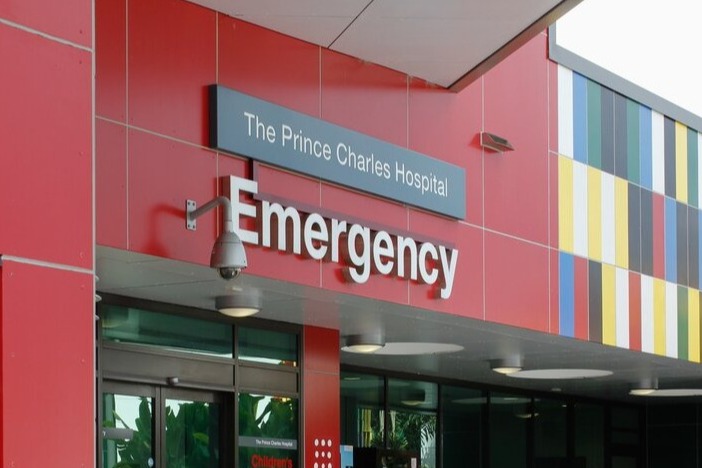
As the festive season gets underway, it’s a good time to know where to go if you get sick.
While Christmas is a time for family, friends, festivities and taking a well-earned break, illness and accidents can happen.
Not every health issue will require a trip to the emergency department. There are many other options to seek healthcare including:
- Satellite health centres
- Medicare Urgent Care Clinics
- Nurse-led walk-in clinics
- General practitioners (GPs)
- Pharmacies
- 13 HEALTH
- Healthdirect online symptom checker
Knowing when to visit a hospital emergency department versus when to seek appropriate healthcare elsewhere not only helps ensure you receive timely treatment, but also reduces pressure on busy emergency services.
While our emergency departments are always available for people who need them, there are other healthcare options available to those with less urgent symptoms.
Here’s what you need to know about your care options and how to get the right help quickly.
When to go to an emergency department?
Emergency or life-threatening illnesses and injuries require immediate medical attention and management by an emergency department or hospital. Emergency departments are always there for those in urgent need.
In emergency departments, patients are seen in order of medical priority, ensuring that those with the most critical needs are treated first, regardless of arrival time.
Call triple Zero (000) immediately if you or the person with symptoms has any of the following:
- central or crushing chest pain lasting more than 10 minutes
- unconsciousness or a seizure (fit)
- severe difficulty breathing or turning blue
- severe bleeding or inability to control bleeding with pressure
- a severe accident
- a mental health crisis when a person feels overwhelmed by emotions, stress or trauma, which may lead to harmful thoughts or actions.
Other conditions that require immediate treatment at an emergency department include:
- severe burns
- poisoning
- numbness or paralysis
- unconsciousness
- unresponsiveness
- seizures
- ongoing fever in infants.
If your symptoms are less urgent, you can consider other healthcare options.
By using satellite health centres, urgent care clinics, GPs or 13 HEALTH telehealth services for non-life-threatening conditions, patients can receive timely treatment while also helping to reduce overcrowding in emergency departments.
How do I find out where to go to get the right treatment for my condition?
Most of us aren’t experts in assessing our health conditions which can make it tricky when choosing where to go to get treatment.
Deciding whether to go to an emergency department depends on how serious your injury or illness is.
So how do you know what's right for you?
If you’re unsure, Queenslanders can call 13 HEALTH (13 43 25 84) to access free health advice from a registered nurse or jump online and use the healthdirect online symptom checker.
What happens when I call 13 HEALTH?
When you’re feeling sick, even if you’re not sure about your symptoms, calling 13 HEALTH is a great option to help you determine the best place to seek help.
This confidential phone service provides health advice 24 hours, 7 days a week to all Queenslanders from a registered nurse.
The registered nurse can complete an assessment of symptoms, provide health-related advice and make recommendations surrounding an appropriate location and level of care with clear timeframes. The advice is confidential, professional and supportive.
While 13 HEALTH provides qualified health advice, it is not a diagnostic service and should not replace medical consultation. It is always important to remember that in an emergency always call Triple Zero (000).
What is the healthdirect online symptom checker?
If you do not want to talk on the phone, you can go online and use the Healthdirect online symptom checker.
The symptom checker asks simple questions about your condition before directing you to the service that’s right for you.
It may recommend seeking services from the nearest emergency department, local GP, nearby Medicare Urgent Care Clinic or the Virtual Emergency Care Service.
Should I just wait until I can get an appointment with my GP?
A great first point of contact for your non-urgent medical needs is your local GP.
This option has proven health advantages, including the ability for your doctor to treat a whole range of illnesses, provide health screening and give health advice.
GPs also get to know you and your family over time and can provide care that's right for you, so it is important to choose one you are comfortable with and trust.
You can see your GP to treat you for:
- illnesses
- minor injuries
- ongoing care if you have a chronic condition
- care during pregnancy
- health care for children
You can also see your GP for preventative health and wellbeing services, such as:
- health advice
- prescriptions for medicines
- health screening, such as cervical screening or blood pressure checks
- vaccinations
- care if you're feeling overwhelmed or anxious
If required, your GP can also provide you with a medical certificate, a certified medical document or report an injury.
If my GP is closed, can I go to my local pharmacist?
Your local pharmacist is qualified to do a lot more than just fill your prescription. They can also answer questions about your medications, give you advice about minor health problems, help promote your health and wellbeing and tell you if you need to see a doctor.
Community pharmacists can provide a range of services beyond dispensing medication such as offering:
- vaccination programs
- screening for some health conditions
- wound care
- treating urinary tract infections
- witness signing of some documents
Good communication with your pharmacist can also improve your health and ensure that your medical conditions are well-managed.
What is a satellite health centre? Is it a hospital?
Satellite Health Centres are not hospitals.
Satellite Health Centres are designed to take the pressure off our busy hospital emergency departments by providing another option for walk-in urgent care.
Minor Injury and Illness Clinics located at Satellite Health Centres are for the urgent treatment of conditions that are not anticipated to be life-threatening.
This may include conditions such as:
- fever, coughs, cold
- earache
- infections
- rashes
- minor eye issues
- broken bones
- minor head injury
- minor burns
Minor Injury and Illness Clinics are open every day with no appointment needed and are free for Medicare Card holders.
These clinics are run by a team of doctors, nurses and allied health professionals experienced in treating urgent medical needs who can assess, diagnose and treat a wide range of minor injuries in adults, adolescents and babies older than three months of age.
Minor Injury and Illness Clinic’s also provide services including:
- onsite x-ray
- ECG
- wound care
- plastering and limb immobilisation.
Minor Injury and Illness Clinic teams work closely with the Queensland Ambulance Service (QAS), so if your illness or injury can be cared for at the clinic, the QAS can take you there for treatment.
What is a Medicare Urgent Care Clinic?
A Medicare Urgent Care Clinic is a federally funded clinic that provides urgent health care in a GP setting.
You can visit a Medicare Urgent Care Clinic for bulk-billed treatment for illnesses and injuries that are urgent, but not life-threatening.
The Medicare Urgent Care Clinics are useful when you need medical attention for an illness or injury that can be managed without a trip to the emergency department but cannot wait for a regular appointment with a GP.
Medicare Urgent Care Clinics provide acute episodic care and treatment that does not require a hospital admission for a range of conditions including:
- minor infections
- minor fractures, sprains, sports injuries and neck and back pain
- urinary tract infections (UTIs)
- sexually transmitted infections (STIs)
- minor cuts
- insect bites and rashes
- minor eye and ear problems
- respiratory illness
- gastroenteritis
- mild burns.
Where else can I go to access healthcare without an appointment?
Nurse-led walk-in clinics
Nurse-led walk-in clinics cater for adults and children over two years of age. They’re free and you don’t need a Medicare card.
These clinics include nurse practitioners, clinical nurse consultants and clinical nurses who can assess, diagnose and treat non-life-threatening injuries, illnesses, and common health conditions, including:
- fevers, coughs and colds
- earache, tonsils and sore throats
- infections and rashes
- minor eye issues
- minor cuts and burns
- minor head injuries
- strains and sprains
- gastro and UTIs.
If further care is needed, the clinic will refer you to other services including an emergency department, GP or mental health service.
Virtual Emergency Care Service
The Virtual Emergency Care Service, or Queensland Virtual Hospital, provides immediate care online for Queensland residents and visitors by video conferencing or telephone when you feel suddenly unwell or your condition is getting worse.
It’s free and no Medicare card is required, so this option is great for those visiting the sunshine state or if you can’t make an urgent appointment with your GP.
Available from 8am to 10pm, seven days a week, the online service encourages users to do an online checklist first to see if the service can help, or whether a visit to emergency is warranted.
To access the Virtual Emergency Care Service, use the Healthdirect online symptom checker or call 13 HEALTH (13 43 25 84).
The Virtual Emergency Care Service allows you to access care for conditions that require immediate attention but are not life threatening, such as:
- acute respiratory illnesses
- allergic reactions
- infections
- burns
- fevers
- gastro
- vertigo
- other conditions
Medicare Mental Health Services
The Australian Government provides access to free, quality mental health care over extended hours.
You can access:
- Medicare Mental Health Centres for face-to-face support
- Medicare Mental Health phone service 1800 595 212 (8.30 am – 5.00 pm weekdays)
Helplines and digital supports
For many, phone or online support is a more comfortable option—and it can be just as effective as face-to-face care.
Both Queensland Health’s 1300 MHCALL line and Medicare Mental Health phone service can connect people with a range of services and resources that can support individuals looking for advice, information or referral for themselves or for someone they support.
Additionally:
- Beyond Blue – 1300 22 4636 – or chat to a counsellor online.
- headspace - 12-25 year olds can join group chats of talk to a professional online or by contacting 1800 650 890.
- 1300 MHCALL (1300 642 255) – 24/7 mental health access line
- Suicide Call Back Service: 1300 659 467
- Lifeline: 13 11 14 – 24/7 support
- 13 YARN – 24/7 support for Aboriginal and Torres Strait Islander people
How is my local emergency department or Minor Injury and Illness Clinic performing?
The Queensland Government’s Open Hospitals website enables Queenslanders to see median wait times and how the state’s major emergency departments and satellite health centres are performing.
The website is updated every 15 to 30 minutes to ensure the latest wait time information is available.
The median wait time listed on the Open Hospital website is a standard measure used to report on performance and is calculated on the time between a patient being triaged to when a patient commences treatment.
It is not indicative of the total time a patient may spend being treated at an emergency department or Minor Injury and Illness Clinic and should not be relied on in an emergency or life-threatening situation. In these circumstances, Queenslanders should always call Triple Zero (000).
Links to 13 HEALTH and the Healthdirect online symptom checker are also found on the Open Hospital website with easy to understand information to help consumers determine if they should go to the emergency department.