

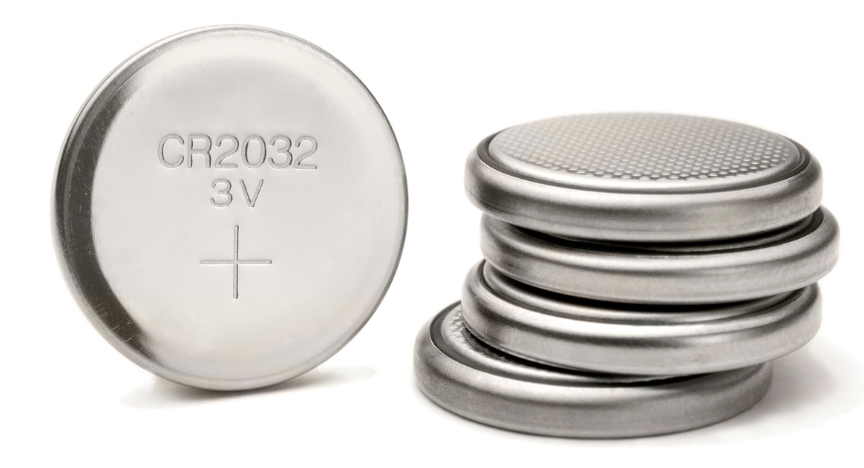
Keep button batteries out of reach from children to ensure a safe, holiday season.
The festive season is a time when children eagerly gather around the Christmas tree, waiting to unwrap their presents.
But amid the excitement, parents are urged to stay vigilant. Many popular toys, as well as every day household items, may contain small coin-sized button batteries that pose a serious risk to young children.
The last thing any family wants is to end up in an emergency department on Christmas Day because a child has swallowed or choked on a button battery, or inserted into their ear or nose.
Around 20 children per week are rushed to emergency departments across Australia due to swallowing, choking or inserting a button battery.
This is why it’s crucial to keep button batteries out of reach of small children and ensure toys and household items are secure.
A little extra care can help ensure you have a safe, festive holiday season.
What are the dangers?
Queensland Children’s Hospital emergency physician Dr Aaron Johnston said there were far too many children who ended up in emergency departments because of button batteries.
“Button batteries might look harmless but once ingested, they can burn through tissue in less than two hours,” he said.
“Parents often don’t realise how quickly a fun morning can turn into a medical emergency.
“If a button battery is swallowed or put in an ear or nose, it could cause severe burns and lead to life-threatening complications or even death.”
Dr Johnston said Christmas increased the risk of children ingesting button batteries due to the rise of imported products from overseas online retailers, and families re-using old decorations that may contain button batteries.
“Many families bring out old Christmas decorations that can sit in the cupboard for years and can often contain batteries,” he said.
“Please examine the toys your children receive from relatives or the ones that come from overseas online retailers for disk or button batteries.
“Be mindful of where you leave items. A battery set aside from a TV remote for replacement could easily be picked up by a child.
“Any child from crawling age through to older toddlers are at higher risk as they begin to explore and put things in their mouth, nose or ears.”
An electrical current is immediately triggered by saliva when a button battery is swallowed that causes a chemical reaction. This can cause severe burns to your child’s oesophagus and internal organs including arteries, lungs, heart, larynx and spine.
Damage can also continue long after the button battery is removed, potentially leading to surgery and ongoing treatment for years.
Who is most at risk?
Children up to 5 years of age are at greatest risk because of their narrower oesophagus and tendency to place small objects into their mouths, ears and noses.
Where can you find the batteries?
It is common to find them in children’s toys, especially those that produce light and sound effects such as plush toys, early learning watches, light-up yoyos and musical books.
What to do if a child swallows a button battery?
Act immediately.
If your child has swallowed or inserted a button battery and is bleeding or having difficulty breathing, call Triple Zero (000) immediately.
Otherwise, contact the Poisons Information Centre on 13 11 26 for 24/7 fast and expert advice.
If you think your child has swallowed or inserted a button battery, visit a hospital emergency department immediately.
If your child has swallowed a button battery, it’s important you know the signs. There might be pain or bleeding. If they’re having no symptoms, look out for:
- gagging, choking or grunting
- pain or irritability
- unexplained refusal to eat
- vomiting
- drooling, a hoarse voice
- coughing or noisy breathing
- chest or tummy pain
- unexplained fever
- black or red vomit or bowel motions, which can indicate bleeding from the gut
- nose bleeds - sometimes this can be blood vomited through the nose.
It’s important you do not let your child eat, drink or induce vomit to avoid the button battery from moving.
Some children do not show symptoms after ingesting a button battery, which is all the more reason to keep button batteries out of reach of small children.
How do you prevent button battery injuries?
- Keep spare button batteries locked away and out of children’s reach.
- Dispose of used button batteries appropriately.
- Ensure new button batteries you buy are in child-resistant packaging.
- Avoid buying items with button batteries.
- Supervise children while playing with toys that use button batteries.
Safe disposal of batteries
Even flat button batteries have enough charge to cause internal burns so it is important you dispose of them safely.
Ingestion, insertion and battery fires can be prevented by immediately taping flat button batteries with clear sticky tape and storing them in a glass, fire-resistant jar that is vented to release any gas. Store the jar out of reach of children before taking the flat batteries to a recycling centre.
Safely dispose of button batteries at recycling drop off points that can be found in most major supermarkets.
For expert advice 24/7, call the Queensland Poisons Information Centre on 13 11 26.