

Summary
The number of Queensland’s long-stay patients experiencing delayed discharge has more than tripled since 2022, a trend driven by the state’s rapidly growing and ageing population.
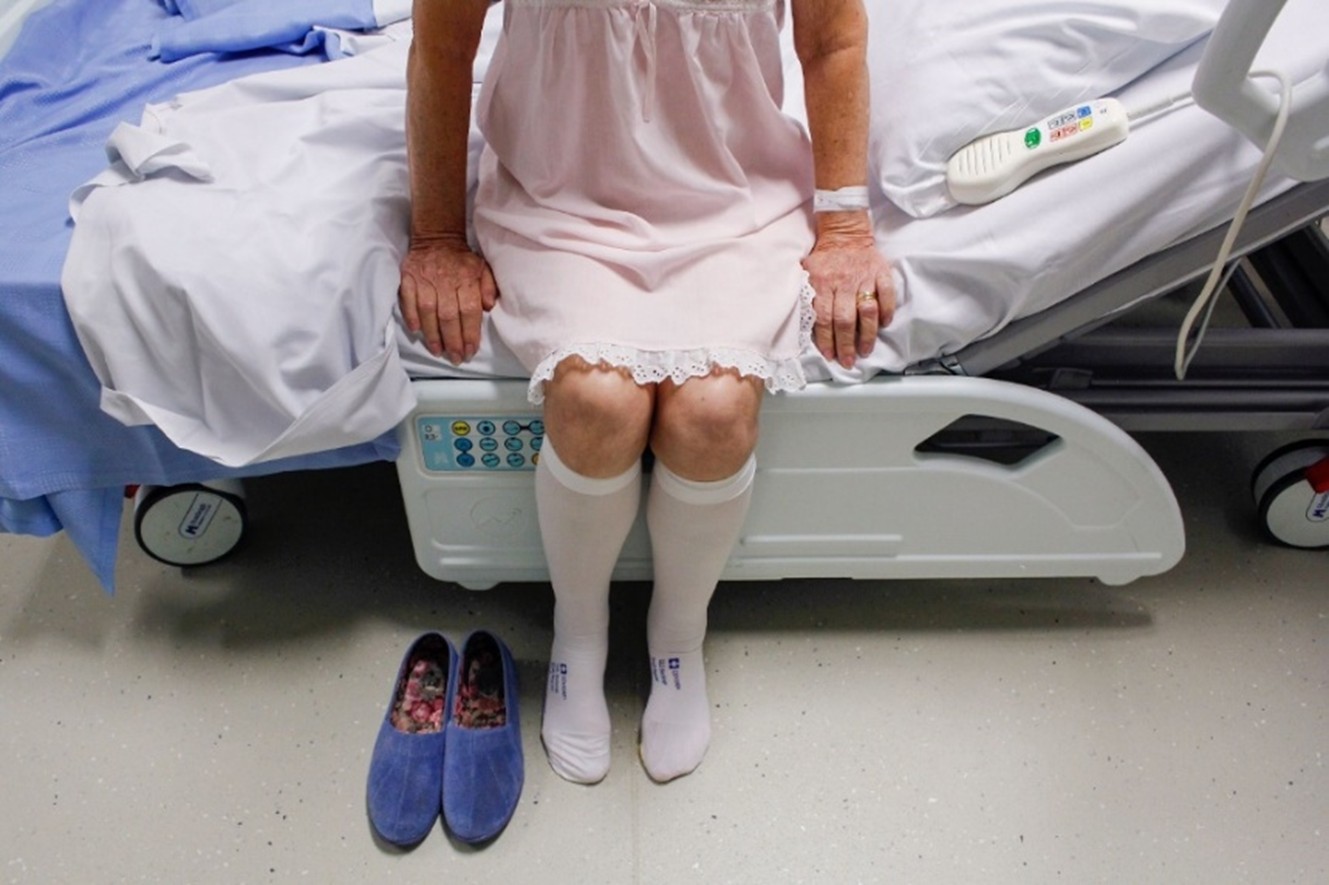
Right now, more than 1,400 Queenslanders are living in our public hospitals, despite being clinically ready to go home.
Through no fault of their own, they’re stuck waiting for the aged care or disability supports they need to safely return to life in their community.
Some have been waiting far too long. Fifteen patients have been ready for discharge for more than 700 days. Waiting that long means waiting until August 2028.
One of these patients has spent more than 1,000 days in hospital simply because the right supports aren’t available.
The majority of long-stay patients – more than 1,100 people – are older Queenslanders waiting for residential aged care placements across the state.
Significant increases of patients experiencing delayed discharge have been seen in Hospital and Health Services (HHS) since April this year, including:
- Sunshine Coast HHS: 27 more delayed discharge patients, bringing the total to 98
- Gold Coast HHS: 31, bringing the total to 128
- Metro North HHS: 12, bringing the total to 252
- Mackay HHS: 16, bringing the total to 54.
(These figures exclude patients in interim care).
Pressure on the rest of the system
The impact of long-stay patients is felt across nearly every part of Queensland’s health system.
While they wait in hospital for the aged care or disability support they need, they remain in beds that would otherwise be available for those requiring acute care.
Every extra day of waiting keeps those beds filled – a delay completely beyond their control.
This flow-on effect contributes to longer ambulance transfer times, extended emergency department waits, and increased pressure on our hardworking frontline clinicians.
Personal cost behind the wait
Prolonged hospital stays present significant health risks to patients, particularly older Queenslanders.
Being able to stay home or transition into appropriate residential care supports positive mental health, preserves independence, and prevents unnecessary hospital readmissions.
Darling Downs HHS Executive Director Allied Health and Community Services Louise Van Every said the human impact was just as significant as the health system impact.
“No one wants to spend unnecessary time in a hospital bed,” Ms Van Every said.
Recently, we supported a patient to return home after spending more than 100 days in hospital waiting for community support services to be in place.
“The moment he was reunited with his wife was a powerful reminder that reducing long hospital stays is about much more than improving system performance.
“It’s about restoring independence, preserving dignity, and helping people to return to the people and places that matter most.”
Aged care: what needs to be done
With demand for residential aged care projected to surge by 60 per cent over the next decade, system pressures are set to intensify as one in five Queenslanders will be aged 65 or older by 2041.
Funding and managing the aged care sector are Federal Government responsibilities.
Without sufficient Commonwealth investment in aged care infrastructure and home care packages, older Queenslanders are at risk of spending too long in public hospital beds.
While recent Commonwealth commitments – including new Support at Home places and personal care funding – are a welcome step, the timeline and full impact across Queensland's health regions are yet to be specified.
To help manage these pressures, Queensland Health services continue to roll out targeted access and flow initiatives designed to support safe, timely discharge, and improve patient movement through public facilities.
These efforts are backed by broader Queensland Government system-wide investments, including the Hospital Rescue Plan.
This plan delivers more than 2,600 new hospital beds, three brand-new hospitals, and expansions to 10 major hospitals statewide.
Additionally, work is underway to recruit 46,000 extra healthcare workers by 2032, with 75 per cent targeted for the frontline, alongside expanding community-based alternatives to hospital admission.
Definition of a long-stay patient
Sometimes referred to as a long-stay or stranded patients, a person experiencing delayed discharge is an inpatient that is clinically ready for discharge but is awaiting appropriate supports to transition to the community. More information is available here.
Long-stay patient data
Queensland Health conducts quarterly point-in-time censuses across all regions to track long-stay patients experiencing delayed discharge.
The latest data can be found on Queensland Health’s Performance Data website.