

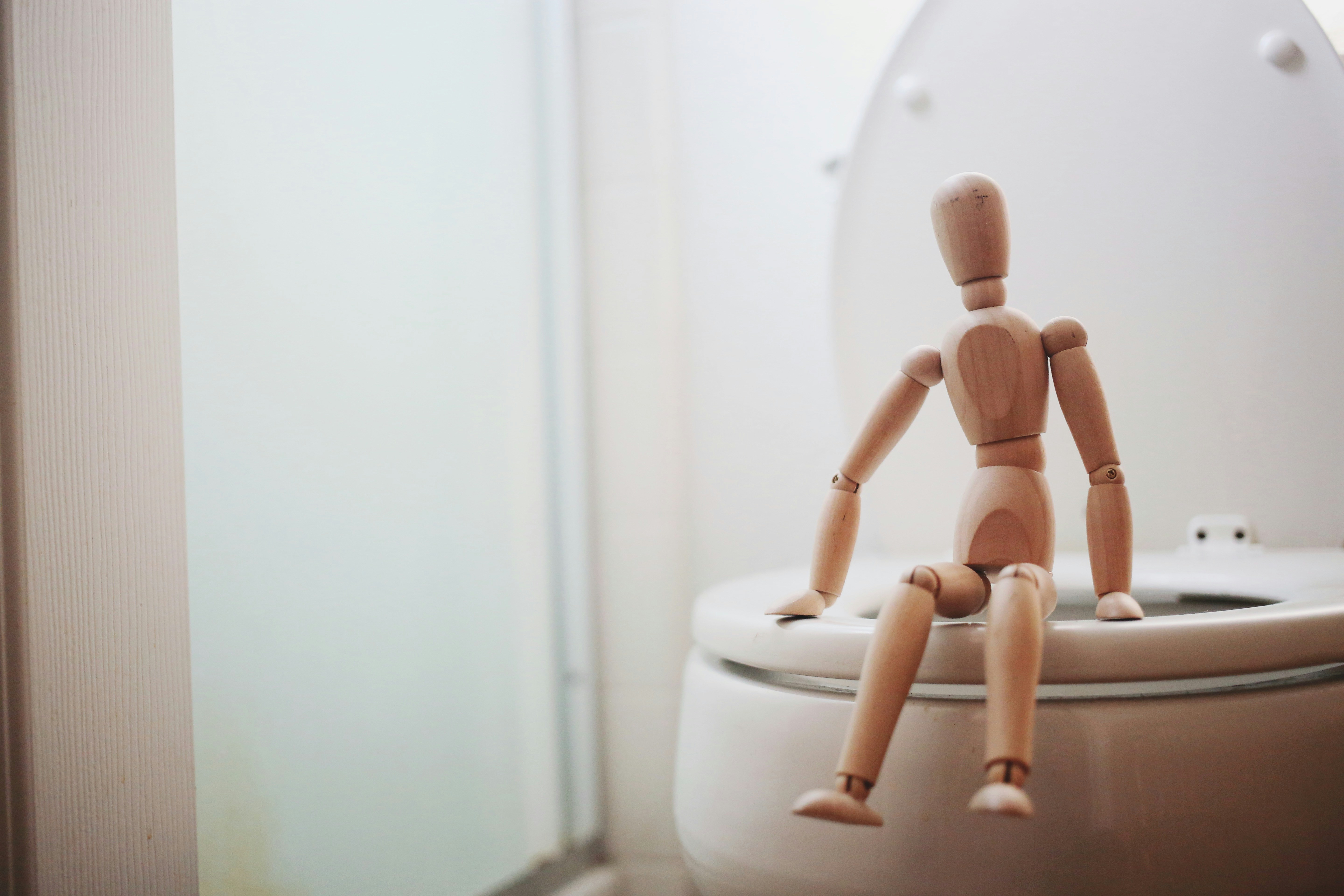
Are you a ‘three times a day’ type, or is ‘three times a week’ more your vibe? Either way – and anywhere in between – is pretty standard (according to a 2010 study).
Factors like age, gender, health, hormones, eating and exercise habits, medications, supplements, stress levels, and even travel can shift your rhythm.
Your ‘normal’ is unique to you.
Director of Gastroenterology and Co-Chair of the Gastroenterology Clinical Network, Dr Mark Appleyard, said if you aren’t having any troublesome symptoms and you’re comfortable on the loo, you’re likely right on track, but warns not to ignore changes.
“Constipation is a very common condition, affecting around one in five people in Australia,” Dr Appleyard said.
“You may be experiencing constipation if you are going less often than usual, straining to pass stools, passing small, hard stools, or feeling abdominal cramps or bloating.
“While it is often a temporary issue, for some, constipation can become an ongoing problem, and beyond being painful or uncomfortable, it can lead to other health concerns if not addressed.”
If you need a little help getting things going, here are some tips that might help clear the pipes:
1. Eat more high-fibre food
Not eating enough fibre is one of the most common causes of constipation – and one of the easiest ways to remedy it. Good sources of fibre include:
- beans and lentils
- broccoli, avocado, berries and apples
- popcorn (yay!)
- whole-grain bread or cereal
- dried fruits
- potatoes
- nuts.
2. Take a fibre supplement
If you’re struggling to eat enough fibre-rich foods, you can also take a supplement. There are a few different types, so talk to your doctor or pharmacist about which one is best for you.
3. Drink more water
Dehydration affects bowel movements, so drink lots of water throughout your day. If you’re increasing your fibre intake, remember that fibre absorbs water, so you must hydrate extra well.
Bonus tip: A warm beverage first thing in the morning can help get things moving – especially hot coffee, which is known to stimulate bowel movements. (Keep in mind that too much coffee can dehydrate you, so don’t overdo it.)
4. Exercise
Even light exercise, such as walking, jogging, cycling, or yoga, can increase blood flow to your abdomen and encourage bowel movement. Try to incorporate at least 30 minutes of movement into your day.
5. Put your feet up
Placing a small step or footstool under your feet when you’re perched on the throne helps you achieve the ultimate pooping posture. Learning forward with your elbows on your knees creates a near-squatting position, which encourages a smooth evacuation.
Faecal incontinence
On the other end of the scale, some people can experience faecal incontinence. This can involve a sudden need to rush to the loo or being unable to hold it in – in either liquid or solid form.
Dr Appleyard said that while faecal incontinence is less common than constipation and more common in older people, it can still affect younger people.
“Causes can include weak pelvic floor muscles following surgery, diarrhoea, complications from childbirth, or a range of other factors,” he said.
“To prevent these issues, it’s important to go when you feel the need – don’t ignore it, but also don’t force it if the urge isn’t there.”
When to see a doctor
If you haven’t cleared your colon for more than a week, or your constipation doesn’t respond to treatment, you should see your doctor, especially if you also have dizziness, fatigue, cramping or spasms.
Similarly, if you’ve been having accidental leaks, sudden desperate urges, or if your patterns have changed noticeably from your ‘normal’, speak to your GP about possible causes and treatment options.
For more information in the meantime, you can check out the Continence Health Australia website.