

Melanie Darby was diagnosed with aggressive breast cancer after she was prompted to get a mammogram.
A timely prompt to get a breast screen potentially saved the life of Queensland Health birthing suite administration officer Melanie Darby.
"I was on a night shift and saw someone had printed out what you could use reproductive leave for," Melanie said.
"I browsed through and saw you could use it for a mammogram and I thought, I haven't had one for quite a few years, it's probably a good time to have one."
Within weeks, Melanie had been diagnosed with aggressive breast cancer and underwent a double mastectomy, 15 rounds of radiation treatment and 16 rounds of chemotherapy.
She hadn't been able to feel the five-millimetre carcinoma behind her nipple when it was detected, yet it had grown to 13 millimetres by the time it was removed just four weeks later.
After meeting with breast surgeon Dr James Stephenson and hearing all her options, Melanie decided to proceed with a double mastectomy without a reconstruction, even though it was hoped at that point that the cancer would not have spread due to its small size and location.
It had however, already spread to the sentinel lymph node that was also removed during surgery, leading to an ongoing treatment plan being put in place to reduce the possibility of recurrence.
"Even though the process was really quick, the cancer was very aggressive," Melanie said.
"I'm so glad I saw that printout that night and got screened when I did, otherwise I don't know how long I would have left it.
"I just went to one of the mobile BreastScreen Queensland vans which was really easy to book online.
"So many of us put off making appointments, particularly around work, but I think Queensland Health's reproductive leave possibly saved my life or at least kept me from getting metastatic disease.”
Breast Surgeon Dr James Stephenson described breast cancer as an extremely common cancer that can affect people of all ages, and said awareness and regular screening remain key in early detection and risk minimisation.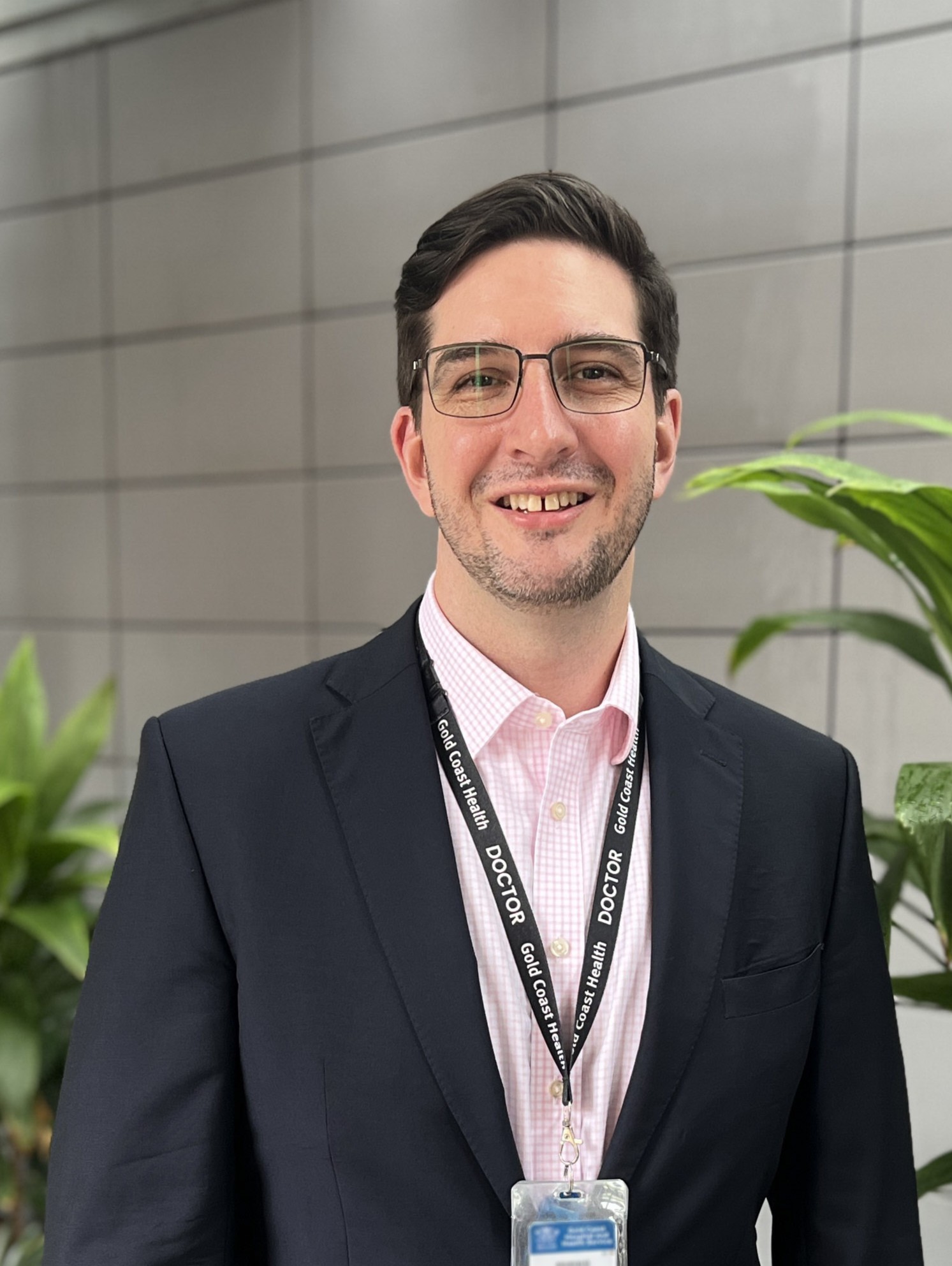
"One in seven women will be diagnosed with breast cancer in their lifetime," he said.
"It sometimes presents as a lump or a change in the breast, and sometimes it's completely asymptomatic.
"That's why it's important to do screening and talk to your GP about your risk, particularly if you have strong family history.
"There are several risk factors – both modifiable and not modifiable – many of which we talk about in general for health such as not smoking, minimising alcohol intake and as much as possible, maintaining a healthy weight, exercising regularly, and eating well."
Women should also be aware of the normal look and feel of their breasts and talk to their doctor if they notice any breast changes that concern them, even if they are having regular mammograms, to ensure they receive the most appropriate care as soon as possible.
Dr Stephenson also said no two cases are the same, and that while Melanie's cancer was very fast-growing and aggressive, other cases could be quite slow-growing and non-invasive.
"When it comes to surgery, we take a personalised approach for each person," he said.
"We'll take into account their preferences, their disease itself and what we think is the safest and most appropriate method.
"Priority number one is always safety in terms of the cancer or disease, and being comprehensive while also not operating or treating more than needed.
"Often we can do a small procedure like a lumpectomy and keep the scars quite small and have minimal changes to the breast, however some patients won't be suitable for a lumpectomy and that’s when we would recommend a mastectomy.”
Throughout her journey, Melanie has maintained a positive outlook, remaining thankful her cancer was detected so early.
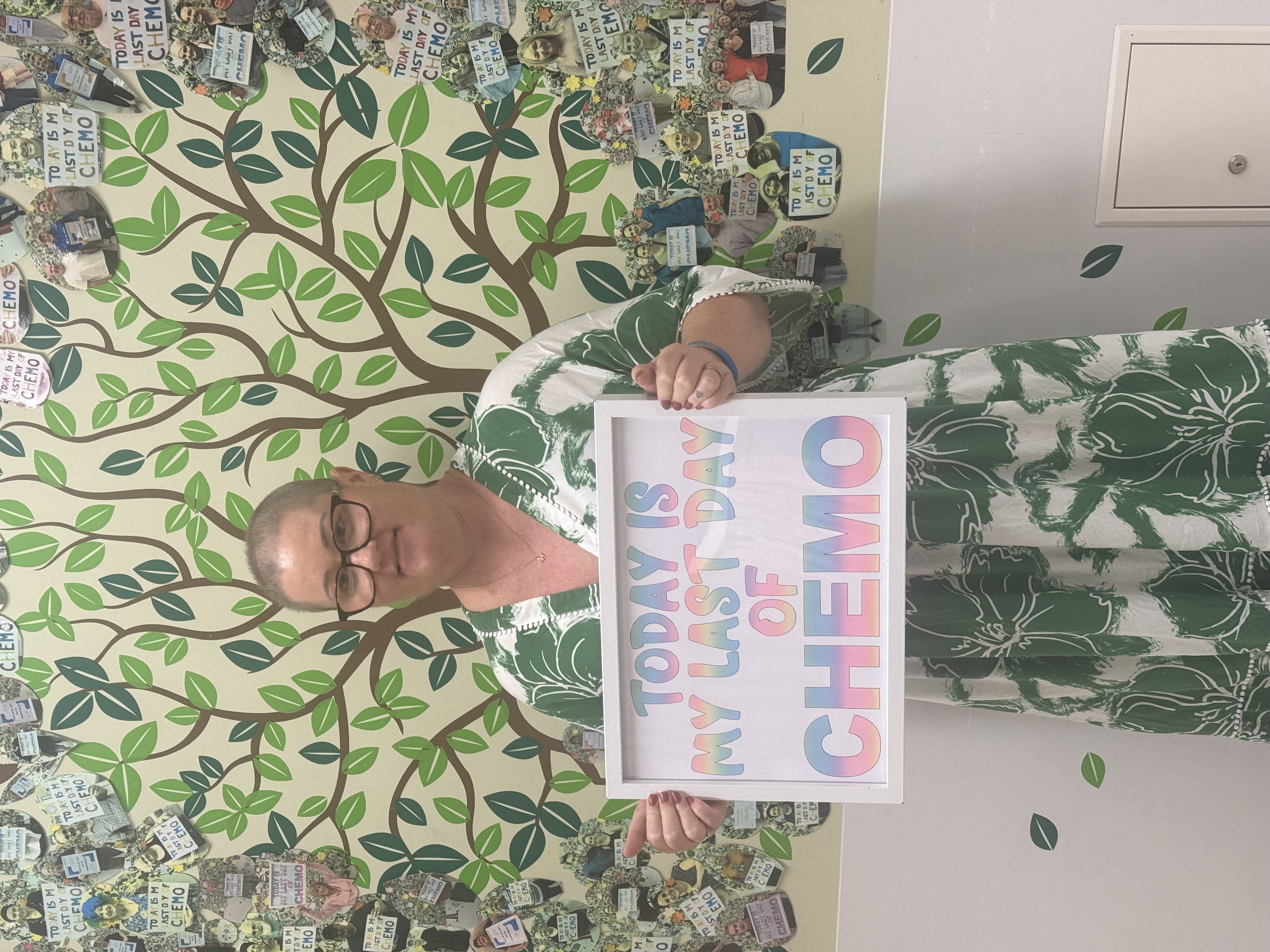
"I've always been a positive person," she said.
"Even after my diagnosis, I still remained positive or looked for a positive side. There have been moments of course, where my mental health has taken a huge hit – chemotherapy is extremely hard and the medications can have many side effects – but I'm dealing with things every day and choosing the positive.
"I also saw an oncology psychologist at Gold Coast University Hospital, which was a fantastic tool. Everyone's been fantastic through the whole journey.
"While the decision to have a double mastectomy was really hard, I just wanted to be cancer free and not worry about extra risks that can come with doing a reconstruction.
"I'm not ashamed to have a flat chest. My hair is still short – it hasn't grown much yet and I've always had long hair – but we are so much more than what we look like.
"We still remain the same person inside and I remind myself of that all the time."
It's easier than ever to book your breast screen wherever you are in Queensland.
- If you’re aged 50 to 74, you should have a breast screen every two years.
- Women aged 40-49 and 75 years and over are also eligible for screening mammograms with BreastScreen Queensland, but you should talk to your doctor first to find out if breast screening is right for you.
- BreastScreen Queensland operates in more than 260 locations across Queensland. This includes 11 screening and assessment locations, 23 satellite screening-only locations and 11 mobile screening vans (including a 4WD).
- The BreastScreen Queensland mobile van fleet gives regional and remote communities easier access to screening services closer to home, routinely visiting locations like the islands of the Torres Strait, Palm Island, Woorabinda, Mt Isa and Innisfail, and many more.
- In the last financial year, 47,897 screening mammograms were completed through BreastScreen Queensland mobile vans (18.1 per cent of all screens delivered across the state).
- Of the 47,897 mobile screens, almost 58 per cent were completed outside of South East Queensland, and 5.8 per cent were for First Nations Queenslanders.
- Call 13 20 50 or visit www.breastscreen.qld.gov.au to make an appointment.