
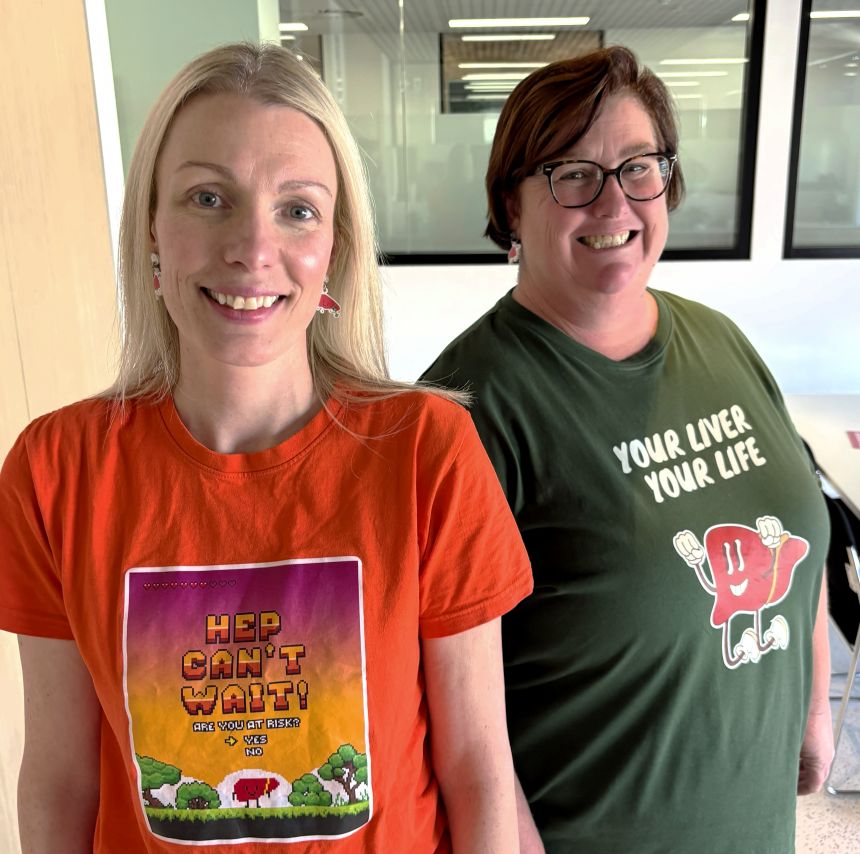
Based in the heart of Ipswich, Clinical Nurses Grace O'Donoghue and Lisa Ball are helping improve liver health outcomes across the region through their work with the West Moreton Health Alcohol and Other Drugs Service.
As part of a multidisciplinary team, the pair travel throughout the communities of Ipswich and surrounding areas delivering education, raising awareness and connecting people with vital health services.
Driven by the belief that prevention is better than cure, the pair are committed to taking healthcare beyond traditional clinical settings and into the communities where it is needed most.
"We are a community-based alcohol and other drugs service that supports people affected by any substance use issue," Grace said.
"We provide comprehensive assessments and can connect people with a range of supports, including individual counselling, treatment programs, detox services, health workers, Aboriginal and Torres Strait Islander services, peer workers, and, more recently, specialised youth services."
Alongside supporting people impacted by alcohol and other drug use, Grace and Lisa are passionate advocates for liver health and improving access to Hepatitis C testing and treatment.
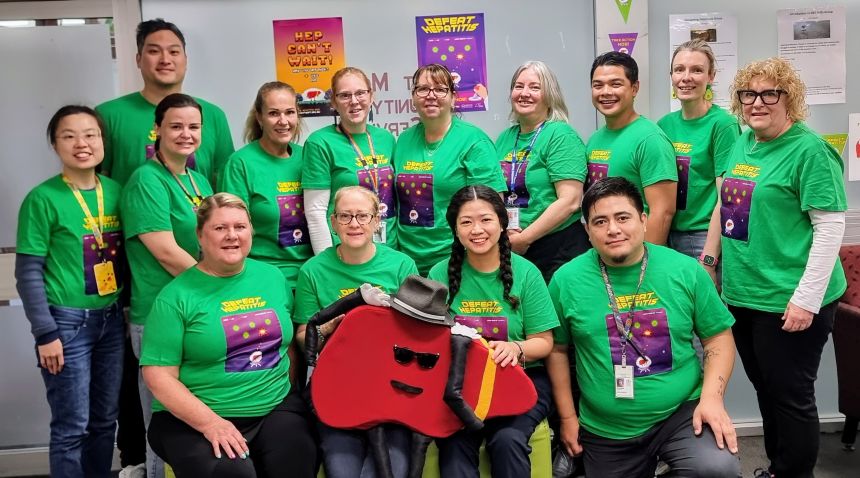
The team delivers community roadshows across the region, bringing health information and Hepatitis C testing closer to where people live.
These roadshows provide a relaxed environment where people can talk with health professionals, access testing and learn about local support services.
“We’re helping people learn about Hepatitis C, testing and the importance of looking after their liver, reaching people who may not regularly access services in Ipswich, including those who could be living with Hepatitis C and not even know it,” Grace said.
People can come along, have a Hepatitis C test, learn about available supports and even grab a free sausage on their way out.
Recognising Hepatitis C
Hepatitis C is a preventable and curable viral infection that can cause serious liver damage if left untreated.
It is most commonly spread through blood-to-blood contact, such as sharing injecting equipment, unsterile tattooing or piercing procedures, or accidental exposure to contaminated needles and razors.
Highly effective treatments are now available, and early diagnosis can prevent long-term liver damage and significantly improve health outcomes.
Through screening, treatment pathways and community outreach, Grace and Lisa are helping to reduce stigma, improve awareness and support healthier communities across Southeast Queensland.
Early symptoms of Hepatitis C can include:
- stomach pain
- feeling sick or unwell
- vomiting or nausea
- feeling weak or very tired
- loss of appetite
- muscle aches, pains or fever.
Later symptoms include:
- jaundice (yellowing of the skin and whites of the eyes)
- dark coloured urine
- pale stools (poo)
Most people experience few or no symptoms during either the acute or chronic stages of Hepatitis C, with the infection often remaining undetected until significant liver damage has developed over many years.
"Without treatment, it may not cause noticeable health problems for many years. It's a condition that progresses very slowly, which is why early testing and treatment are so important,” Lisa said.
“I've cared for people who had Hepatitis C for many years without realising it. After completing treatment, many tell us they finally understand why they had been feeling unwell for so long."
An important message shared through the program is that Hepatitis C is not spread through casual contact.
You cannot contract Hepatitis C from:
- Hugging, shaking hands, or kissing
- Coughing, sneezing, or spitting
- Sharing toilets, sinks, or showers
- Sharing food, cups, plates, or eating utensils
- Providing personal care, including changing nappies
- Mosquitoes or other animals
Protecting your liver health
Lisa encourages everyone to take simple steps to protect their liver health.
"Eat a balanced diet, limit alcohol intake, stay physically active, and see your GP for a regular health check and blood test," Lisa said.
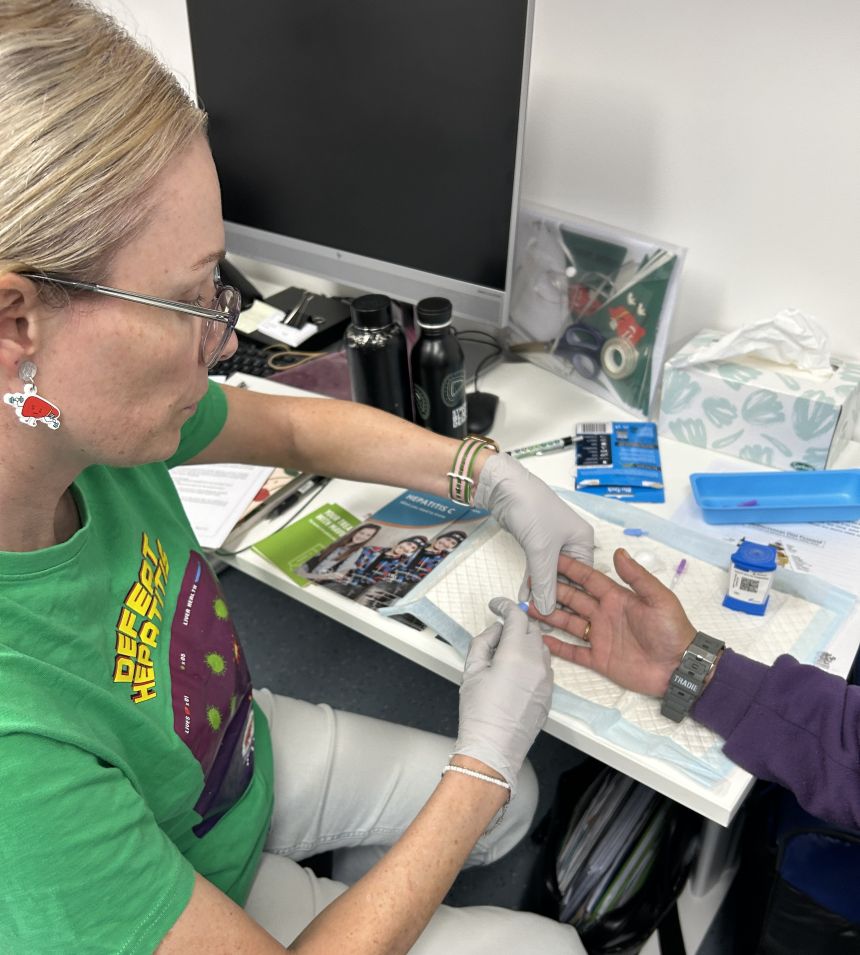
A Hepatitis C test is quick and simple, usually requiring just a finger-prick blood sample.
Through community-based testing, treatment and awareness initiatives, Grace and Lisa are helping ensure people across West Moreton have access to the care and information they need to protect their liver health and live healthier lives.
Find out more about Hepatitis C here: Queensland Health Hepatitis C or visit Hepatitis Queensland’s website at www https://www.hepqld.asn.au