
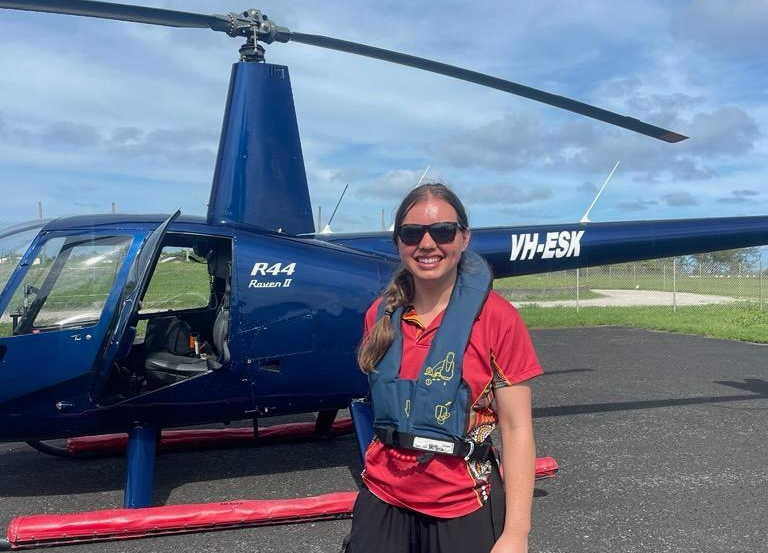
Physiotherapist Brianna Costin provides pelvic health support to women in the Torres community.
Women across Queensland will have better support for pelvic health issues thanks to Queensland Health’s Women and Girls' Health Improvement Program's physiotherapy scholarships.
The scholarship program is funded to offer specialised training through the Australian Physiotherapy Association (APA) for up to 20 Queensland Health physiotherapists each year over four years, enhancing their capability to care for a range of women’s pelvic health conditions including those affecting pelvic floor, bladder and bowel function.
Scholarship recipient Zoe Hill completed the three online theory-based courses and two in-person courses in 2026.
As a senior internal relief physiotherapist at Redland Hospital, she covers periods of leave for other physios, so a broad knowledge base is essential to help her broad range of patients.
Initially completing a degree in exercise science after acquiring numerous sporting injuries in her youth, it wasn't long until Zoe discovered the breadth of what physiotherapy could include.
"There's a whole other world to physio beyond just sports field injuries," she said.
"As a student, I was lucky to have a women's health placement, which led to me working on the maternity ward at Redland Hospital as a graduate.
"That was five years ago and I've been here ever since. I just love it here."
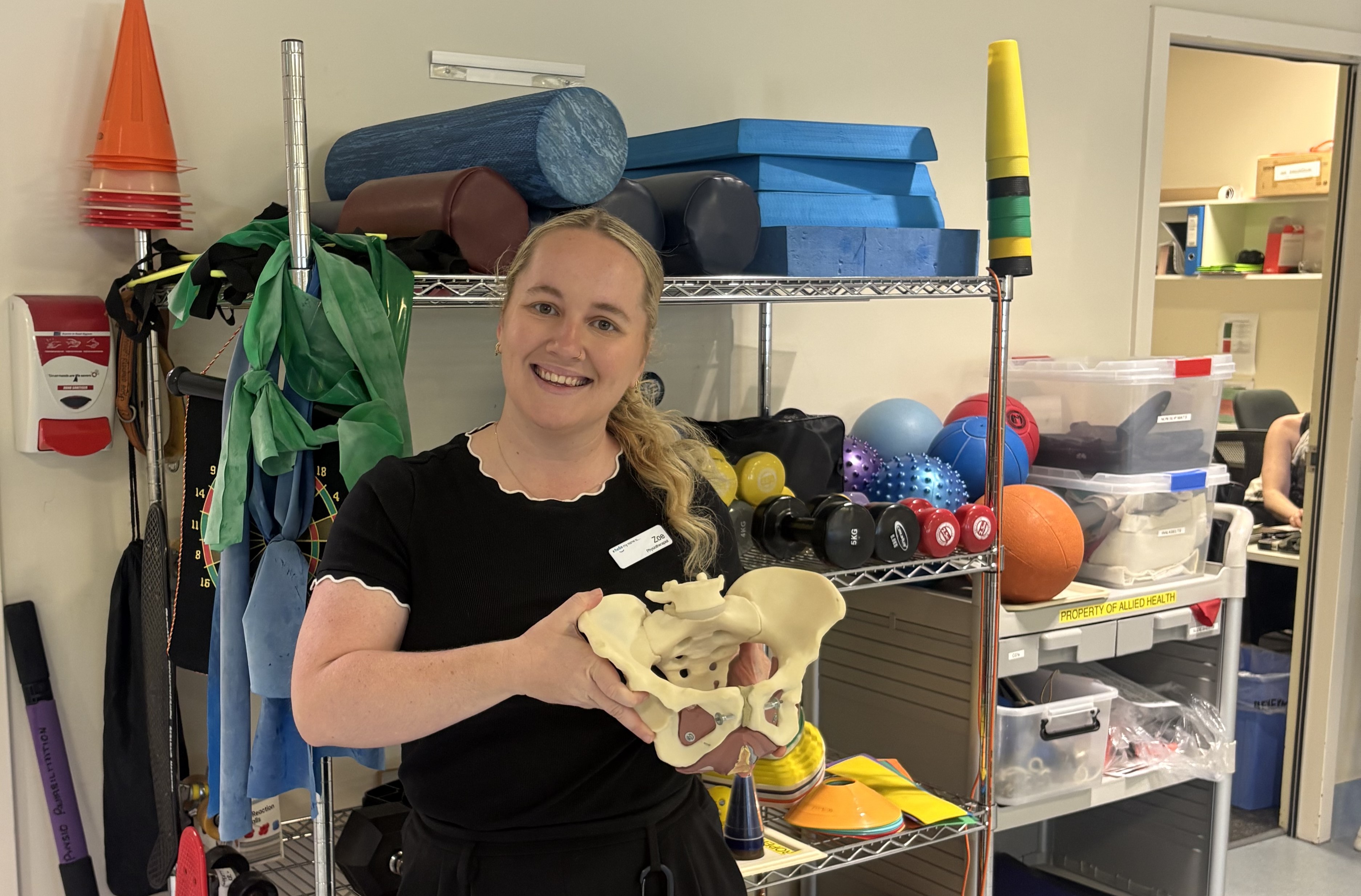
Since that first placement, Zoe has continued to develop her skills alongside an advanced women's health physiotherapist, with the Women and Girls' Health Improvement Program Physiotherapy Scholarship helping her to further her knowledge and training.
“Seeing great results from patients, improving their quality of life and, most importantly, empowering women made me want to further pursue women’s health," she said.
"A lot of women we see across the service tend to be of the generation who were told, it's fine, it'll sort itself out or it's not a big deal, but while what they're going through may be quite common, it's not normal and it's not always something they have to live with.
"Physio can have such a crucial role in preventing issues from becoming a surgery or management only option, and I love starting conversations and opening up their eyes to the world of physio and how we can play a role in potentially treating problems or at least improving quality of life."
The program has sought to improve capability to meet an identified need, with a particular focus on statewide reach for those who live regionally or rurally.
Scholarship recipients can choose to undertake the Level 1 APA Women’s Pelvic Health Physiotherapy course, Level 2 Women's Pelvic Health Physiotherapy or both courses, with 77 scholarships awarded so far across the options.
Brianna Costin completed part one of the course in 2025 and part two in 2026.
Having started her physiotherapy career in Brisbane before pursuing neurophysiotherapy in Melbourne, Brianna later took a short-term rural contract in South Australia, where she fell in love with rural work (but not the cold weather).
Now based on Thursday Island, she regularly visits 21 communities across 16 islands, travelling by four-seater plane, ferry, boat or helicopter just about every week to see her patients.
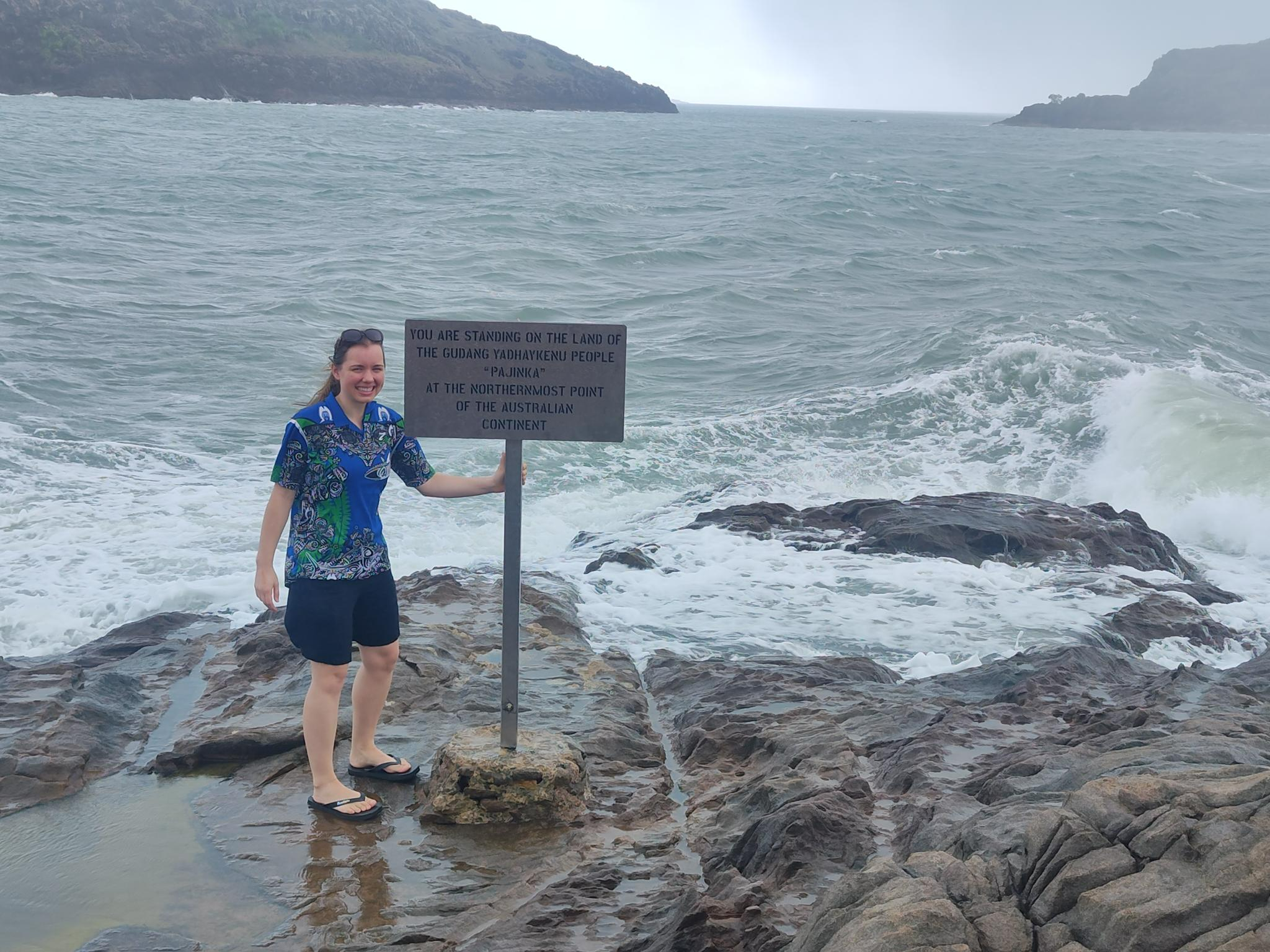
“It's as broad a caseload as you could imagine,” Brianna said.
“I work across women's health, paediatrics, musculoskeletal, neurological, hospital inpatients and cardiorespiratory physiotherapy.
"Through this scholarship, I've become better equipped to help women navigate antenatal and postnatal recovery, menopause, and pelvic health concerns such as bladder and bowel dysfunction.
"It's been incredibly helpful as I expand my skills and bring more specialised physiotherapy services to the communities here."
With many of her patients only seeing her two or three times a year, Brianna said having the skills to complete advanced assessments and provide tailored rehabilitation plans was particularly valuable given the limited availability of specialist women's health services across the Torres Strait.
“We don't have any specialist women's health physiotherapists this far north, so building these skills locally is really important," she said.
"We have colleagues in Weipa and Cooktown who are incredibly supportive though, particularly when it comes to managing more complex patients.”
Despite the challenges, Brianna said working across remote communities was one of the most rewarding aspects of her role.
"It's really special being able to help women through all life stages and I would encourage other physios to upskill and learn more about women's health," she said.
“I feel incredibly privileged to work alongside these communities, build relationships with people and provide physiotherapy services to those who might otherwise have limited access to care."