

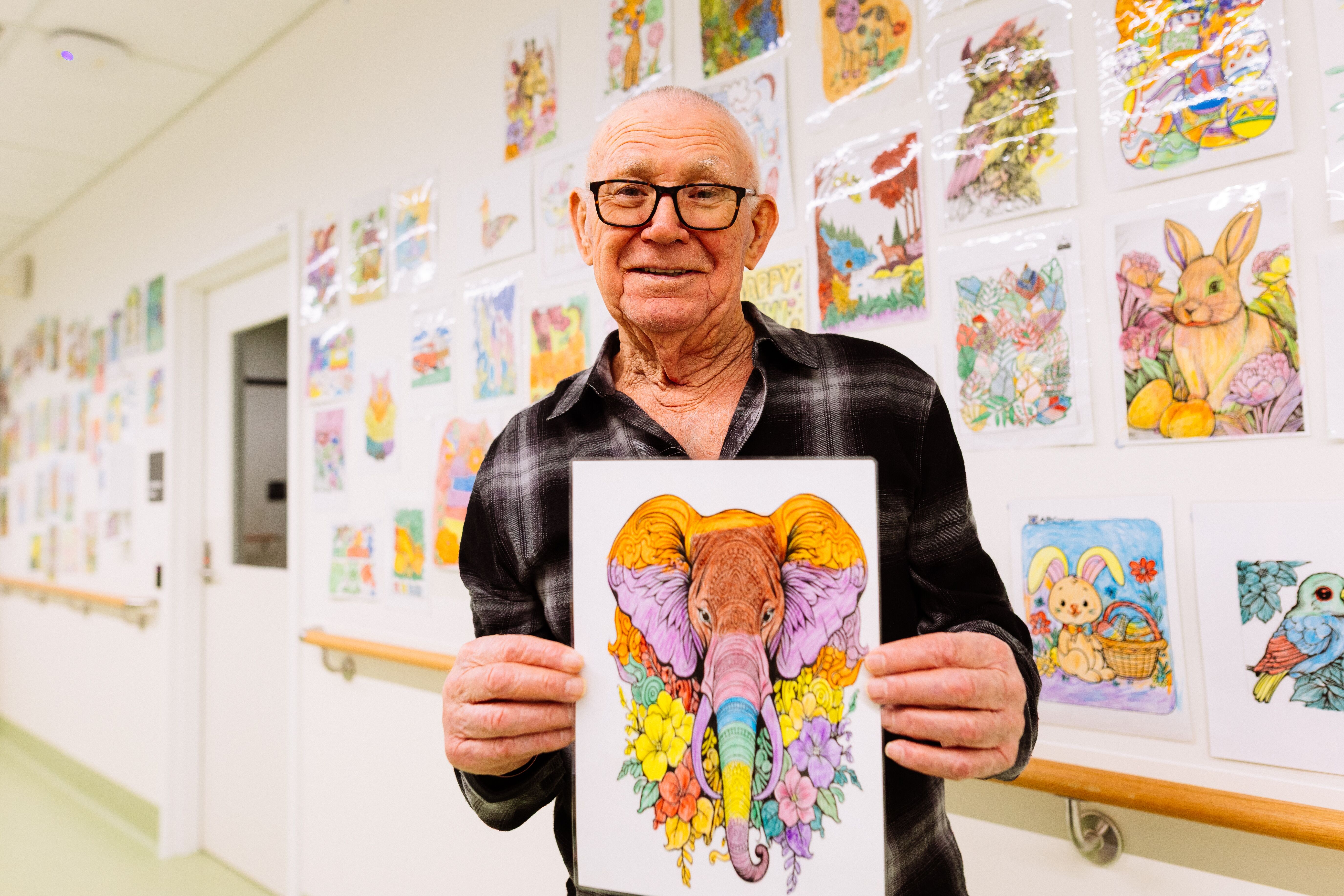
A patient in the Logan Acute Cognitive Unit smiles as he shows his artwork he has completed at the unit.
Sometimes, the clearest sign that care is making a difference is a simple smile.
The Logan Acute Cognitive Unit supports hospital patients experiencing delirium and/or dementia to safely transition from hospital back to their families or aged care homes.
Some patients arrive at the unit distressed, agitated or aggressive. But with the support of a multidisciplinary team, their story can begin to change.
Slowly, they find calm, connection and a sense of purpose - until one day, a smile says what words cannot.
Since opening in August 2025, the 12-bed ward at Logan Hospital has been changing the trajectory for people living with delirium, dementia and functional decline.
What is dementia?
Dementia is a group of conditions that cause deterioration in brain function (for example, memory and cognitive abilities) beyond what is expected from biological ageing. Dementia can result in difficulties with social living and self-care management.
The number of people with dementia in Australia is expected to be 1.1 million by 2065, an increase of almost 160 per cent from 2024 (425,000 people).
In Queensland, overall hospitalisations are estimated to increase by 34 per cent from 2022–23 to 2032–33, and the largest increase will be for dementia.
Alzheimer’s disease is the most common form of dementia, estimated to comprise more than 60 per cent of dementia cases.
Never underestimate the power of a smile
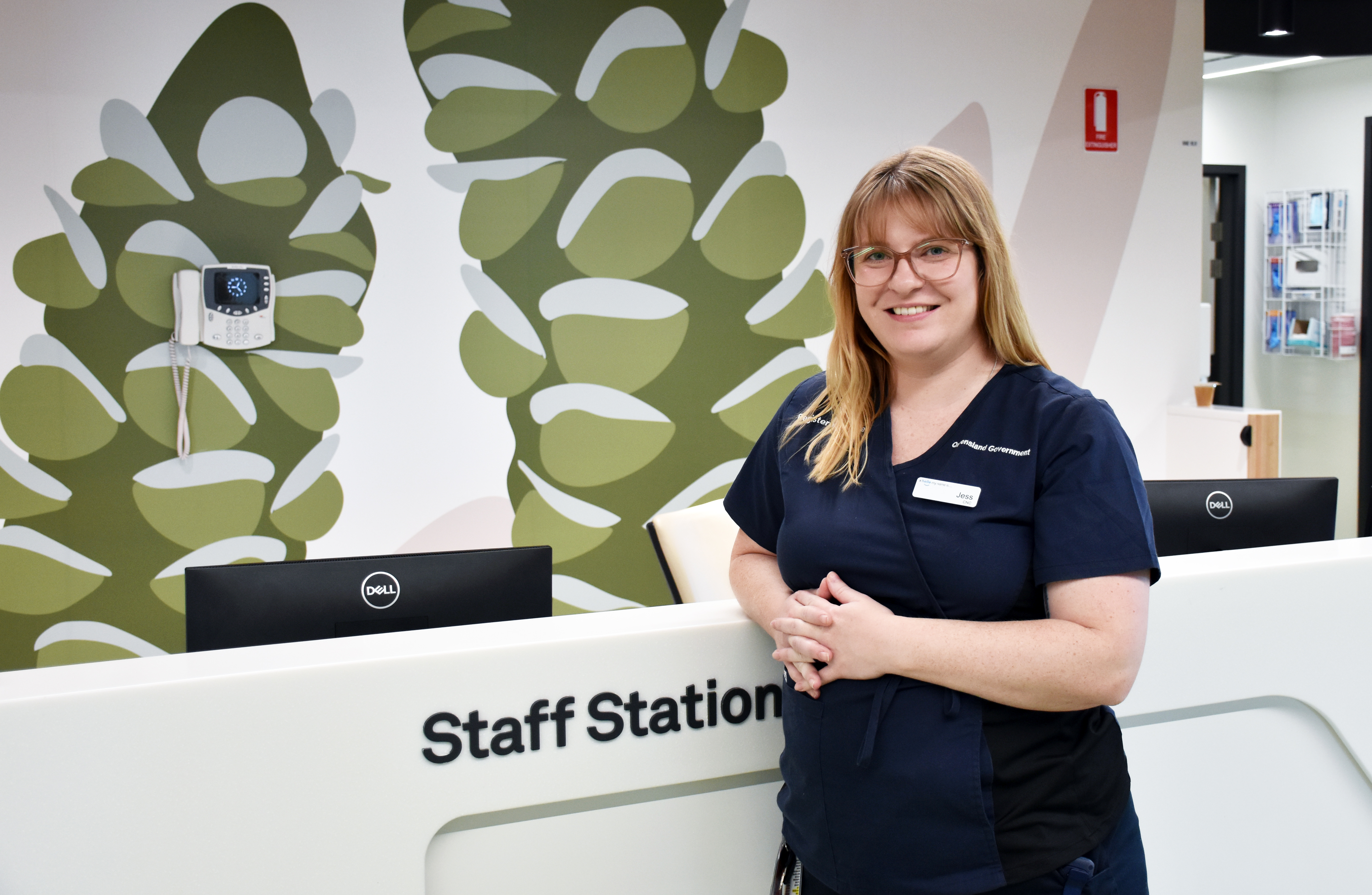
Clinical Nurse Consultant and Unit Manager Jessica Harnett (pictured above) has witnessed the positive impact firsthand.
She has seen patients progress from displaying aggressive behaviours driven by unmet needs to a point where staff can proactively recognise and address those needs before distress occurs, enabling more positive connections with those around them.
“There have been many rewarding moments throughout my career and during my time in the unit, but one that stands out was caring for a former nurse living with dementia,” she said.
“They were experiencing severe symptoms of dementia, including aggression. By taking the time to understand who they were as a person, what was important to them, and what they needed to support their wellbeing, we were able to provide care that truly met their needs.
“After spending some time with us, they were able to return home to their family, which was a wonderful outcome.
“Knowing that we had played a part in helping them regain that quality of life and return to a familiar environment was incredibly rewarding and will always stay with me.”
Dementia care is a team effort
The multidisciplinary unit brings together doctors, nurses, allied health professionals, including physiotherapists and occupational therapists, to improve patient wellbeing and prepare individuals for a safe hospital discharge.
The team assesses each person’s unique needs, which can range from building mobility and functional independence to supporting meaningful hobbies like dancing, gardening or board games.
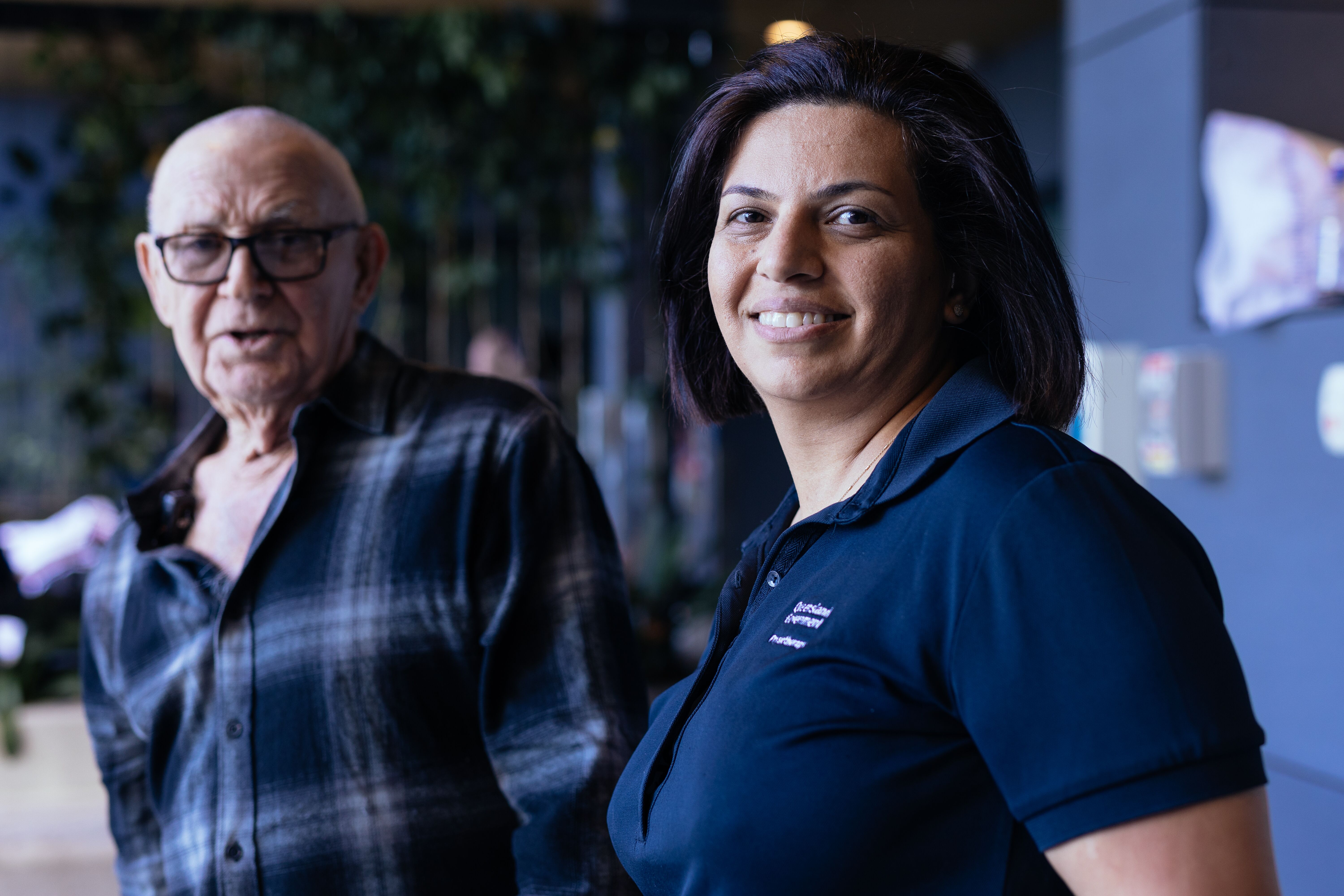
Senior physiotherapist Tina Panah with a patient at the Logan Acute Cognitive Unit where she supports his physical and social needs before he is discharged from hospital.
The unit’s Move It group takes patients outside into the garden, where they can dance, talk, walk, garden and enjoy the outdoors.
There is also a games group, where the focus is not only on the game itself, but also on social connection.
“Engaging with each other and talking with one another is really the best medicine,” Jessica said.
“One of my favourite parts of the day is watching games groups facilitated by our allied health colleagues.
“Seeing patients light up, especially those who don’t usually engage, and watching them laugh, connect and enjoy themselves is incredibly rewarding.”
Understanding the person beyond the diagnosis
For Jessica and the team, dementia never defines the person.
The team looks beyond outward behaviours to understand what a patient is truly trying to express.
By identifying individual triggers, preferences and needs, they develop personalised strategies that help patients communicate more safely and effectively.
These strategies are then shared with families and carers, ensuring consistent, supportive care well after the patient leaves the hospital.
At the heart of this approach is a simple philosophy: behaviour is communication.
Transforming how they listen enables the team to make small, quiet impacts – sometimes visible in something as simple as a smile.