

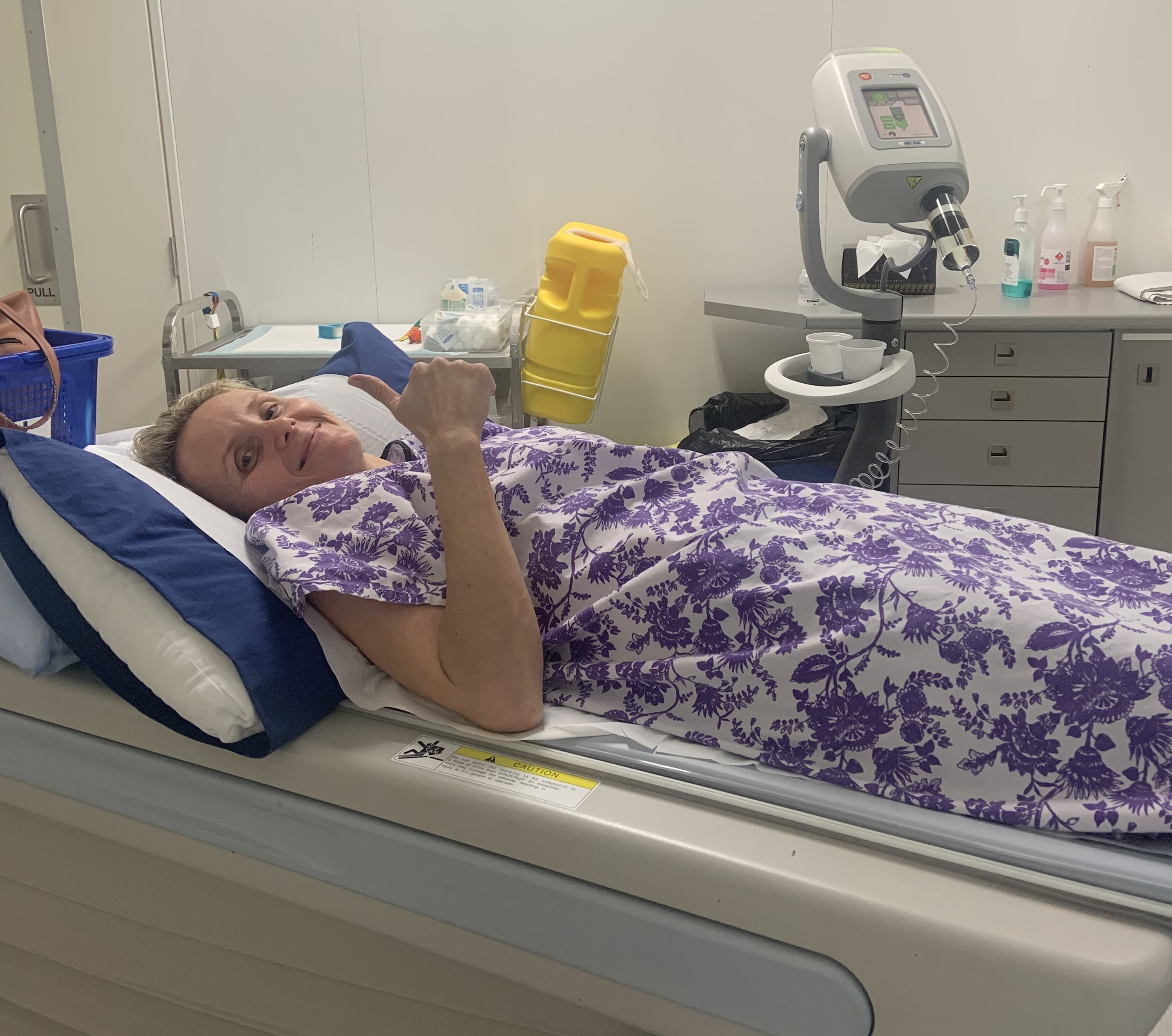
At 38 years old, Sally Kriel was juggling life as a mum to two young boys while working as a Clinical Nurse Consultant when something started to feel wrong.
It began with ongoing abdominal pain.
“At first, I tried to push through it,” Sally said.
“But I had a gut feeling that something simply wasn’t right.”
Thankfully, her GP listened to her concerns and referred her for a colonoscopy, which found bowel cancer.
“Being told by my GP, with an 18-month-old and a three-year-old beside me, is a moment that will stay with me forever,” she said.
“I remember feeling like time stood still.”
Sharing her story for Bowel Cancer Awareness Month, Sally hopes to encourage Queenslanders to listen to their bodies, speak up about symptoms, seek medical advice early and complete the free national screening kit when eligible.
Although diagnosed before the age of routine screening, Sally’s experience highlights why awareness is important, particularly for younger Australians.
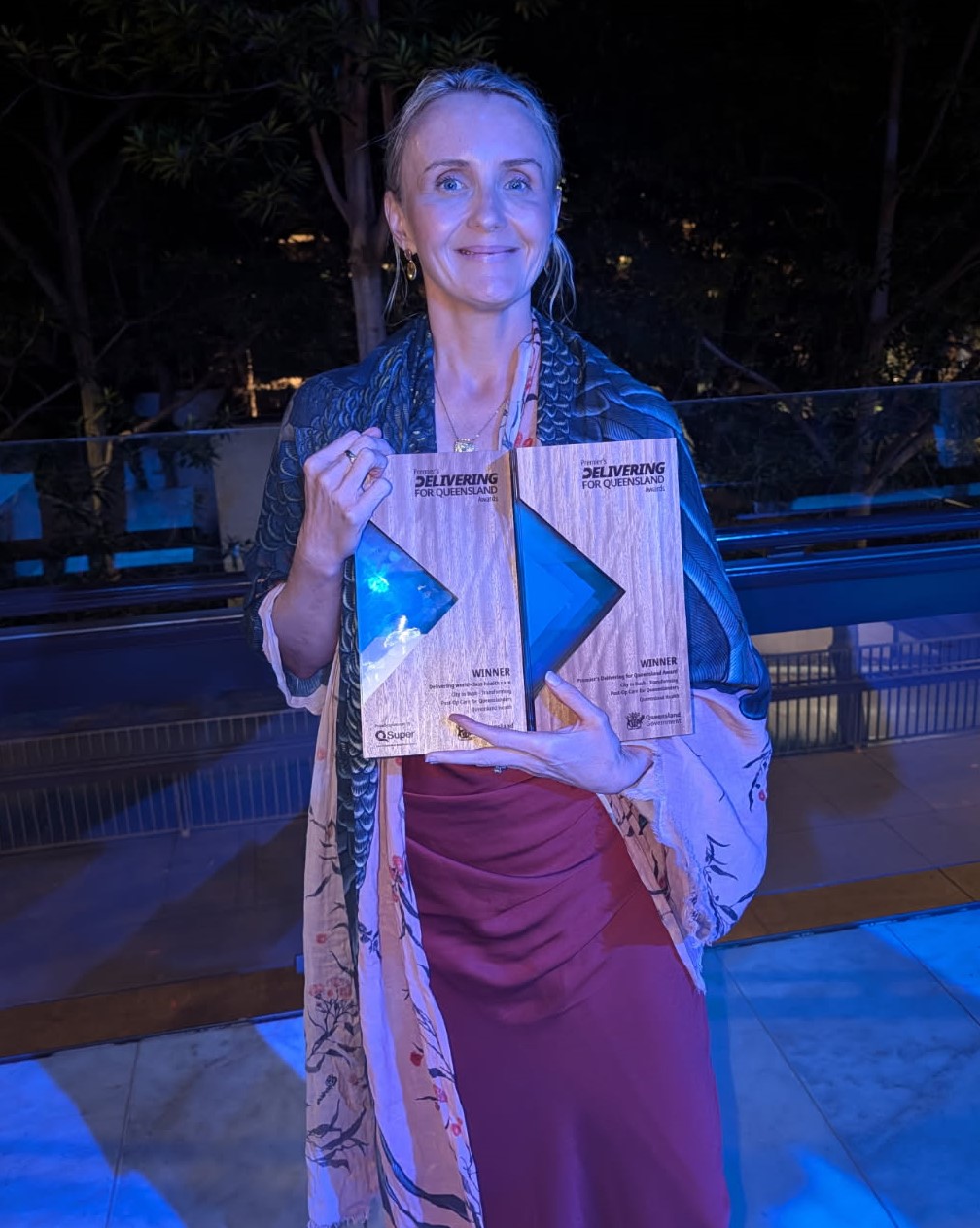
The National Bowel Screening Program offers free, at-home tests to eligible Australians aged 45 to 74 every two years. While those aged 50 to 74 receive kits automatically, 45 to 49-year-olds can request one – making it vital to keep Medicare addresses up to date.
Despite high awareness, health experts say one of the biggest barriers is the misconception that screening is only necessary when symptoms exist.
For those not yet eligible, Sally urges people to trust their instincts, noting that persistent symptoms like abdominal pain, changes in bowel habits, blood in the stool, unexplained weight loss or fatigue should never be ignored.
“Symptomatic patients should always speak to their GP as a bowel screening test shouldn’t replace a doctor’s assessment,” Sally said.
Queensland Health data collected between May 2025 and April 2026 found a concerning gap: only 22 per cent of Queenslanders completed a test in the past 12 months, despite 78 per cent saying regular screening is important.
Reasons for not screening included not getting around to it, having no symptoms, not thinking about it, or believing they were too young.
Sally admitted that far too often people dismiss symptoms because they feel well or assume bowel cancer only affects older people.
“I now use my experience as a teaching moment whenever someone says, ‘But you were so young’,” she said.
The reality is that bowel cancer is no longer an older person’s disease; rates are increasing among younger Australians.
As both a clinician and a patient, Sally said her diagnosis changed the way she sees healthcare, communication and life.
“When you go through something like cancer as a mum, you stop taking ordinary moments for granted,” she said.
“Time with my boys, good health, quiet everyday moments — they all mean something very different to me now.”
Her experience reinforced the importance of compassionate healthcare and listening to patients.
“It showed me healthcare is not just about treatment; it’s about how people are made to feel during vulnerable moments.”
Sally hopes sharing her story helps change the mindset around screening.
“Having the opportunity to complete a bowel screening test is exactly that — an opportunity,” she said.
“An opportunity to prevent cancer, detect changes early, or to find it at a stage where treatment can be far more effective.
“If your test arrives in the mail, do it. Don’t leave it sitting in the drawer.”
As both a nurse and a patient, her message is clear: “Listen to your body, don’t ignore persistent symptoms and don’t assume you are too young.
“Screening and early detection saves lives.”