


What comes to mind when you hear the word ‘disability’?
Do you think of visible disabilities, such as using a wheelchair, having limb loss, being blind, or being deaf?
What about hidden disabilities you can’t always see? The ones that aren’t immediately apparent, like chronic pain, autism, mental health conditions or even epilepsy?
More than one in five Queenslanders identify as a person with disability, often without others knowing. It can appear suddenly, quietly or gradually, impacting families, carers, friendship groups, workplaces and communities.
Marguerite Taylor (pictured, below right) was 21 when she developed late-onset epilepsy, bringing a slew of changes and challenges to her life.
“It disrupted my studies, driving, day-to-day routines and even how I planned for the future, but I was determined to be as strong and independent as I had been before,” she said.
“It was frustrating when I couldn’t do some of the things I was so used to doing, but it helped when I found the right GP and team of clinicians who could help me on my journey.”
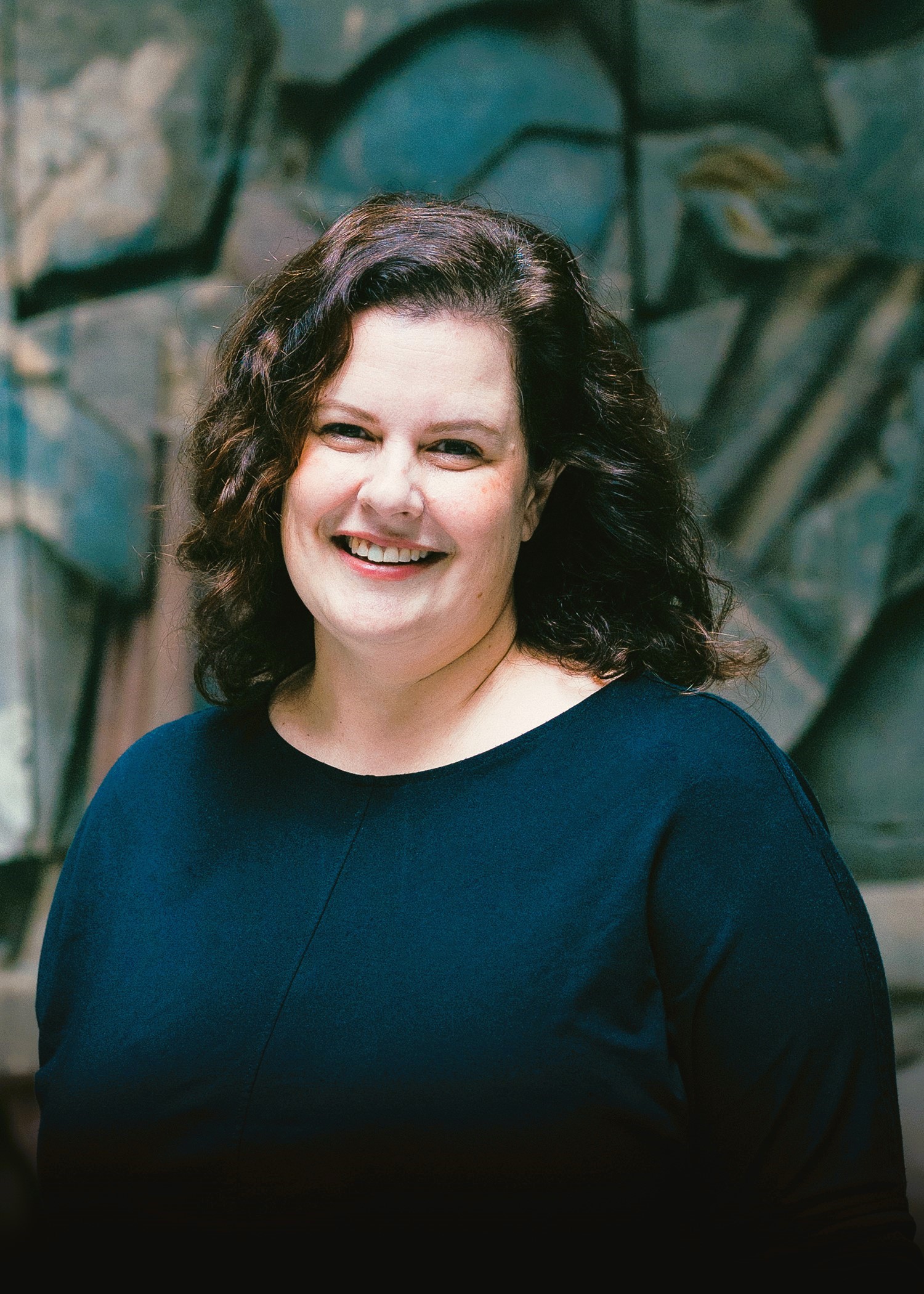
It took nearly five years for Marguerite to find answers and stability. After she experienced her first seizure at home with no one around and no idea what had happened, she faced a long journey to identify the cause, and find the right treatment team and medication.
For Marguerite, a single seizure can wipe out days or even weeks of her memory, depending on their strength.
“I can tell the difference in my body as I'm recovering from them, but there have been really bad ones where it feels like the back-up in my brain didn't quite work,” she said.
“The things I've done for a few days, or up to a week before the seizure won't ‘stick’ in my brain, and with the stronger seizures, this memory loss can continue through the week after.”
Now working as an Executive Director of the Strategy and Coordination Branch in Queensland Health, Marguerite was studying law when her seizures first started affecting her.
“I needed to read hundreds of pages and remember what happened in the cases, so it was very hard,” she said.
She has since adapted her professional life to manage her epilepsy.
“Now, if I go to a meeting, I make sure we write up the actions or outcomes for it, and I just need to cope if I've missed a step along the way.
“You find different ways of working, but it can be challenging.”
Several years after her own journey commenced, Marguerite’s younger sister experienced a severe acquired brain injury, leading the family to rearrange their lives around her needs.
“My parents were travelling between Bundaberg and Brisbane, navigating services, hospitals and aged-care environments meant for people twice her age,” Marguerite said.
“Through it all, I saw the extraordinary but often invisible contribution carers make, often without recognition.
“This whole journey has made me more empathetic too, understanding that everybody has their own challenges.
“The diversity, strength and resilience people with disability bring to us as a community shouldn't be lost. We should listen to it whenever we get the chance, because not only will it help them, but it will make us all better people.”
What you can do to encourage inclusion and disability awareness:
- Remember that many disabilities are invisible. Avoid making assumptions about what a disability “should” look like.
- Actively look for barriers in your workspace or process that might hinder colleagues with non-visible conditions.
- Create a safe space for people to share their access needs, then follow through with those adjustments.
- Build the confidence to offer practical and timely support by seeking out disability awareness training and resources.
- Consistency matters. Embed inclusive habits into your daily routine – small actions lead to big cultural shifts.
More information on epilepsy, plus links to services and support can be found at Epilepsy | Queensland Health.