

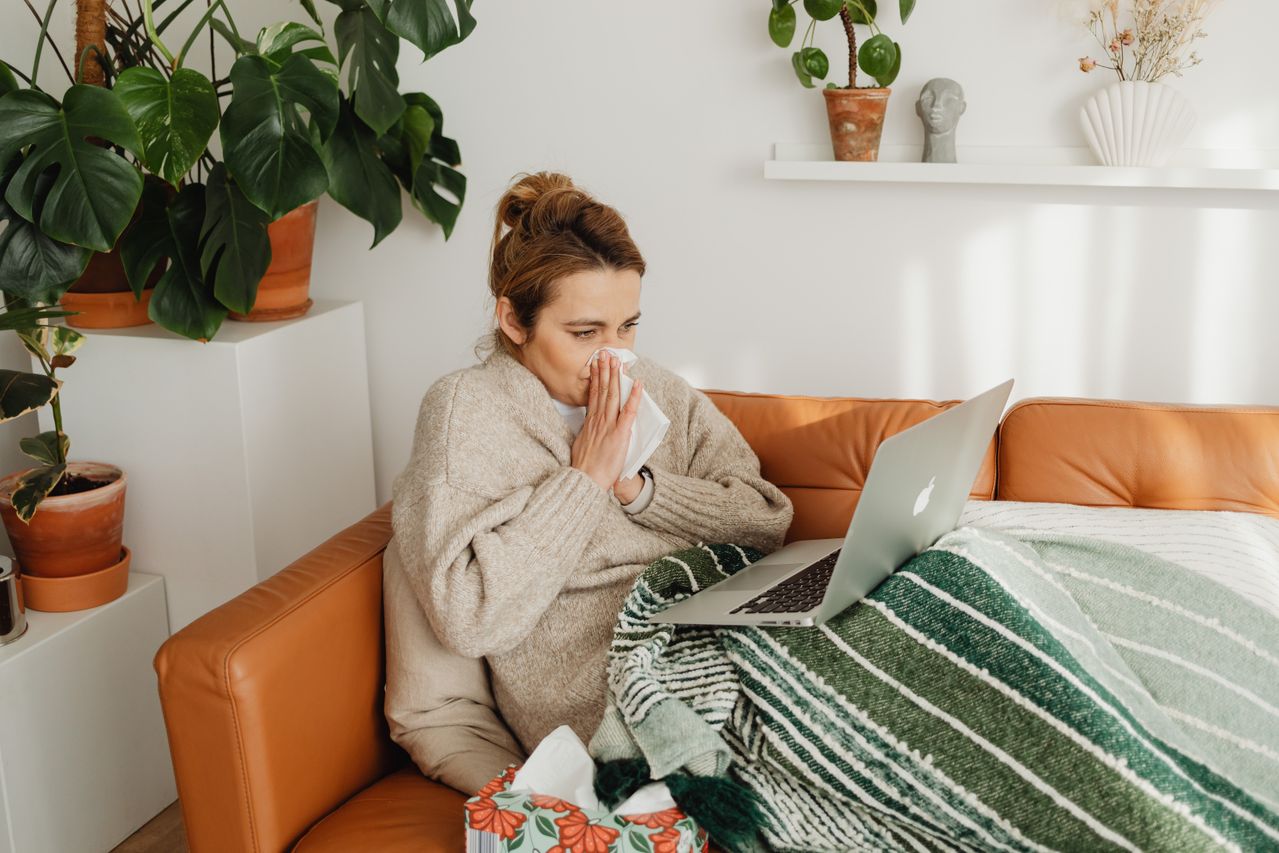
Flu season is upon us... but what exactly determines when that is?
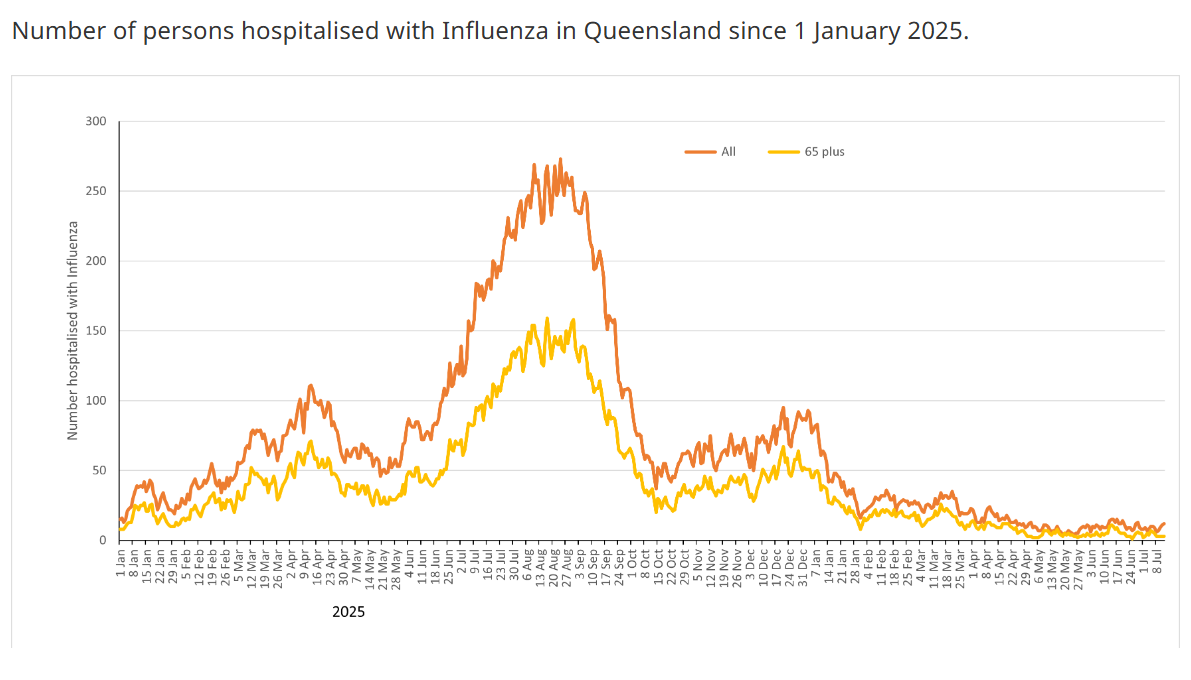
The timing and duration of the flu season in Queensland varies from year to year, but generally it’s between the months of May and October, with a peak around August.
As temperatures drop, cases of influenza, COVID-19, respiratory syncytial virus (RSV) and other respiratory viruses tend to rise, however changes in influenza virus strains, as well as environmental factors and population immunity from immunisation, can also have an impact on circulation rates.
In 2025 for example, Queensland had a prolonged flu season, with high case numbers continuing beyond August, and remaining comparatively high into December. This was attributed to the ‘Super-K’ flu strain which was observed globally and happened to be particularly contagious.
In 2026 however, reported numbers have so far been lower than previous years, with only 10,770 confirmed flu cases were reported between 1 January and 5 July 2026. That’s a 67 per cent reduction on the same period in 2025.
It’s not the cold – it's our behaviours because of the cold
While many people assume the cold weather itself is to blame for getting us sick, Dr Yudish Soonarane from the West Moreton Public Health Unit said our behaviours are largely responsible.
“We often spend more time indoors and closer together in winter, and respiratory viruses spread more easily in those conditions,” he said.
“In indoor spaces, you often have poorer ventilation than if you're outside, so viruses are more likely to hang around in the air a lot longer, meaning you’re more at risk of catching those viruses.”
Dr Soonarane said the cold weather can also affect the lining of your nose and throat, which could make it easier for a virus to take hold if you are exposed to it.
“Colder air tends to be drier and less humid, which can definitely contribute to people having drier throats and noses, but to be affected by influenza [or other viruses] you need to have been exposed to the virus,” he said.
“If you're feeling cold or if you have a dry nose or dry throat, but you have not been exposed to influenza virus, you're not going to get the flu from that.”
How can I avoid getting sick?
Along with good nutrition, Dr Soonarane said the most effective way to protect yourself against severe influenza is vaccination.
In 2025, Queensland had just under 100,000 confirmed influenza cases – of which 72 per cent were not vaccinated.
Of the 9,687 people hospitalised, more than 300 died.
“Vaccination is really the best thing people can do to reduce their chances of becoming unwell with influenza,” Dr Soonarane said.
"While it does not always prevent you from getting influenza, it does prevent you from getting really sick and possibly being hospitalised.
"The main impact we want the vaccine to have is to prevent people from being hospitalised or dying from influenza."
Additionally, Dr Soonarane recommends simple measures like staying away from people who have (or might have) the flu, Covid or any respiratory virus, wearing a mask if close contact is unavoidable, and ensuring you are getting enough sleep, maintaining good hygiene, and not smoking or vaping.
What if I just take some vitamin C?
While many people take supplements such as vitamin C, vitamin D or zinc to boost their immunity, Dr Soonarane suggests the benefit of taking supplements for the average Australian would be minor.
“Severe vitamin C deficiency could cause your immune system to be weaker, but this is uncommon for most people in Australia,” he said.
“If people are concerned that they have a vitamin deficiency, I would recommend they go see their general practitioner to be tested, particularly if they're spending a lot of time indoors and not getting a lot of sunlight. However, I would not promote vitamin supplements as a sort of shield against colds and flus.
“There's no evidence to show that in the general population it is helpful in preventing influenza.”
What should I do if I am sick?
Dr Soonarane is a strong advocate for staying home if you are showing any signs of sickness, as even if what you have isn’t flu or Covid, all respiratory viral illnesses are infectious and can be transmitted to the rest of the community.
“Avoid going into crowds, avoid going to work or sending kids to school with symptoms such as a cough, runny nose or fevers,” he said.
“If you do absolutely have to go out, for example to see your GP, do your shopping or if you go to hospital, I’d recommend wearing a mask as much as possible to reduce the risk of transmitting a virus to other people.”
As much as we hate to hear it with our busy lives, recovery usually comes down to giving our bodies time to heal.
“Rest, fluids and good nutrition are generally the mainstay of treatment for people with viral respiratory illnesses," Dr Soonarane said.
“If you do feel well enough to get outside for some fresh air or gentle exercise that's fine – but avoid close contact with other people.
"Listen to your body. If you're having high fevers, severe body aches or feeling very fatigued, you should rest."
When should I see a doctor?
Most mild viral illnesses can be managed at home with rest and fluids, however Dr Soonarane said people should seek medical advice if symptoms become severe or don’t improve after about a week.
“If you have symptoms you're particularly worried about, such as if you're feeling short of breath, or if you are not improving, you should seek care as soon as possible,” he said.
“This is particularly important if you have medical conditions, such as asthma or chronic lung diseases, that put you at risk of more severe disease
“Your GP is the best place to start, or a Medicare Urgent Care Clinic or emergency department if you are in a serious condition and cannot wait to see your GP.”
Where can I get more information?
Learn more about the flu – including signs and symptoms, how it spreads, and how to prevent yourself and your family from getting sick at The flu (influenza) | Vaccination Matters.