

Wayfinding design principles
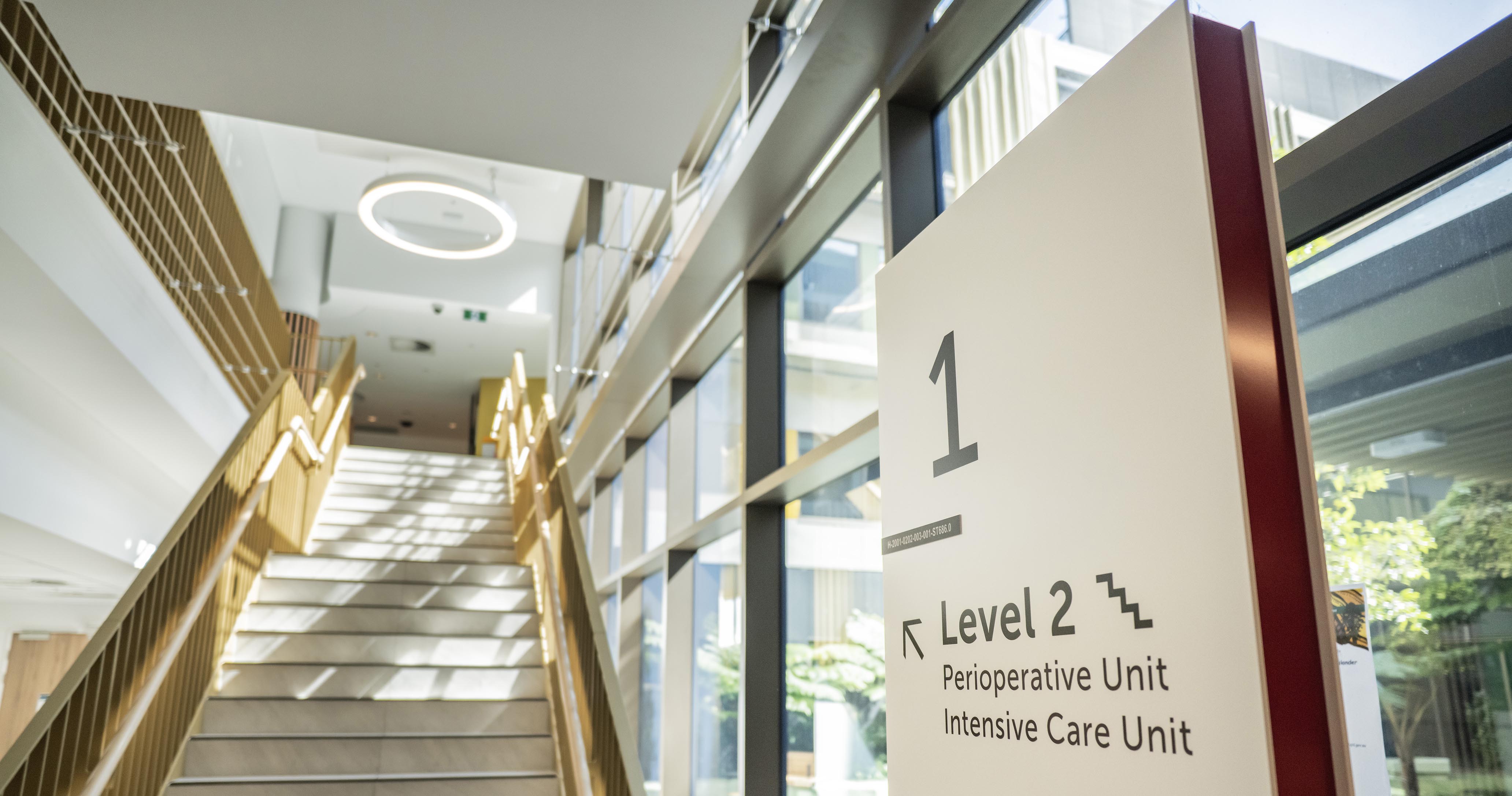 Caboolture Hospital
Queensland Health’s Wayfinding design principles (PDF 9535 kB) establishes a modern approach to navigation in health facilities. It outlines key principles and processes to help design clear, consistent and easy-to-use wayfinding systems for patients, visitors and staff.
Wayfinding needs to be integrated from the early stages of project planning and delivered through collaboration across planning, design and construction.
Wayfinding principles and practice:
- Defines a minimum standard while allowing creative adaptation, wayfinding designer roles and responsibilities, and expectations.
- Provides clear advice and direction across the design lifecycle and user group engagement.
- Outlines strategy and design concepts, including analysis, overlays, visual communication and signage systems.
- Applies to new facilities, redevelopments and wayfinding upgrades.
Wayfinding is a core component of healthcare delivery and is a coordinated system that integrates intuitive environmental cues, informative signage and digital tools. Clear navigation reduces anxiety, improves confidence and minimises reliance on staff assistance in complex and unfamiliar environments.
Wayfinding systems must:
- address universal design principles
- meet or exceed accessibility compliance requirements
- be considered early in the design process for success.
All wayfinding signage must align with Queensland Health naming conventions and be developed in collaboration with the appropriate consultants.
More information
If you have questions, need support, or would like to provide feedback, contact HIQ Design, Innovation and Assurance hiqdesigninnovationandassurance@health.qld.gov.au