

Despite being preventable, Australia has some of the highest rates of acute rheumatic fever (ARF) and rheumatic heart disease (RHD) worldwide.
It disproportionately affects First Nations communities and children between the ages of 5 and 14.
RHD takes the lives of 2 young First Nations people each week and costs $27 million in open-heart surgeries and medical care per year.
Queensland Health's Partnerships team is working with several Queensland Hospital and Health Services (HHSs), schools and their First Nation communities to develop tailored RHD resources localised for each region and their needs. We hope you use these resources to raise awareness and deepen understanding of how to prevent ARF and RHD.
Share resources with your community
These resources have been designed with local First Nation voices and health staff to be culturally relevant and tailored to each region. You can share them with your community to empower people and their healthcare providers to discuss RHD openly.
The resources are designed for 4 key groups:
- Clinicians and health workers: how to recognise symptoms and provide the right treatment and pathways
- First Nations families and community: advice on recognising Strep A and acute rheumatic fever (ARF), managing symptoms and when to seek care
- First Nations people living with RHD: support to manage your condition and access care
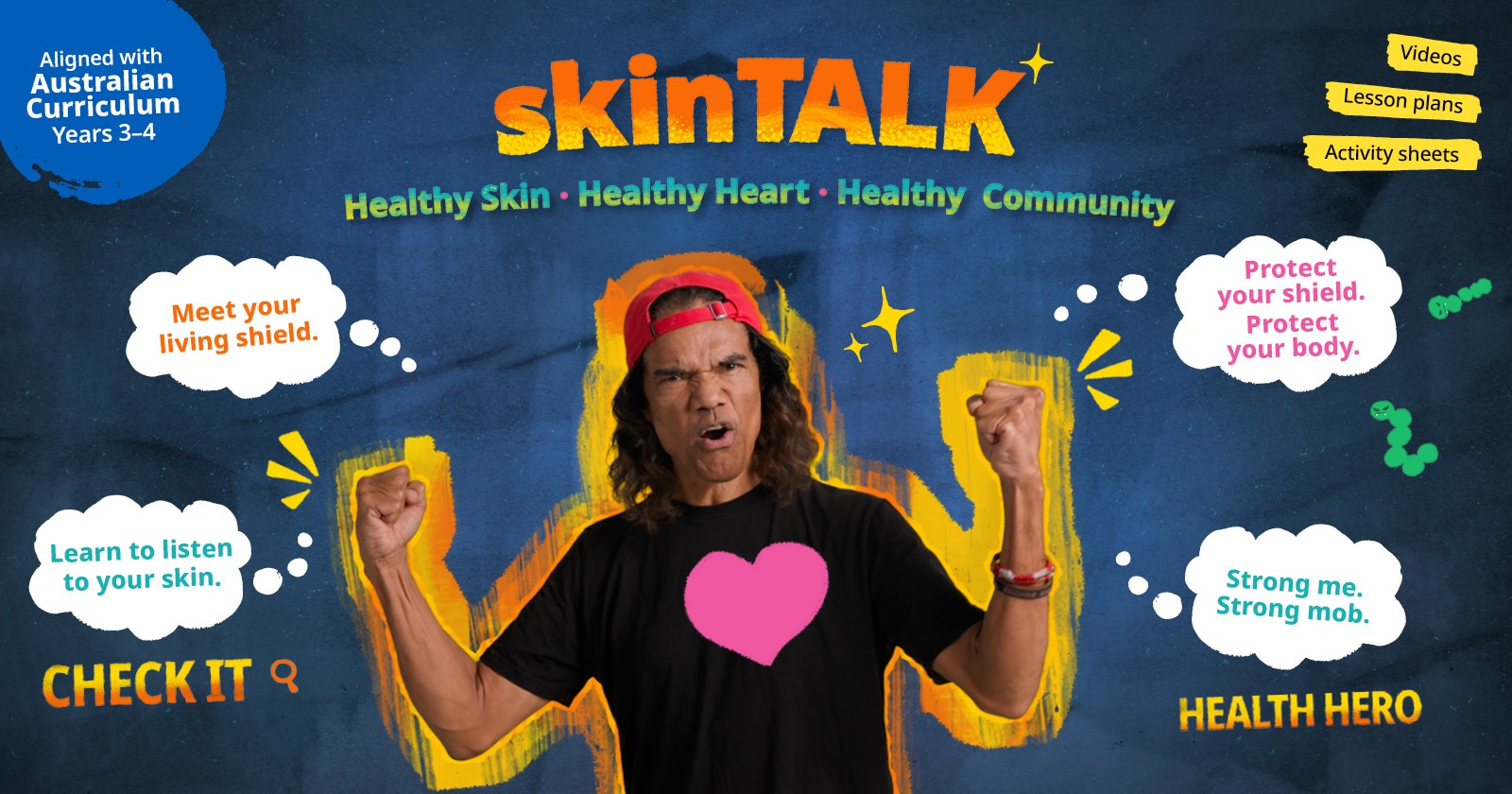
- Schools and educators: skinTALK, a Years 3-4 school program helping children learn about healthy skin, healthy hearts and when to seek help
-
skinTALK - Supporting healthier futures for Queensland children
A culturally grounded and engaging healthy skin education package for Queensland primary schools.
-
Queensland statewide RHD resources
Queensland statewide resources for the Let's end rheumatic heart disease together campaign.
-
Central Queensland RHD resources
Central Queensland resources for the Let's end rheumatic heart disease together campaign.
-
Darling Downs RHD resources
Darling Downs resources for the Let's end rheumatic heart disease together campaign.
-
Townsville RHD resources
Townsville resources for the Let's end rheumatic heart disease together campaign.
Contact and feedback
If you have questions or comments about the RHD community resources, please contact the Queensland Health Partnerships team at engagement@health.qld.gov.au.
For health professionals wanting to know more about ARF and RHD, or needing support recognising and managing ARF or RHD, please contact the Queensland Health Rheumatic Heart Disease Program at qldrhdprogram@health.qld.gov.au.
Newsroom
- First Nations Rheumatic Heart Disease Action Plan 2025 – 2027
- Strong Skin App: Designed by community for community, the go-to resource to support your skin health
- The communities working to stop rheumatic heart disease from affecting Queenslanders (Queensland Health)
- Happy Heart Clinic - Clinical Excellence Stories (Queensland Health)
- Change to notifications for acute rheumatic fever (ARF) and rheumatic heart disease (RHD) (Brisbane South PHN)
Last updated: 22 July 2026