

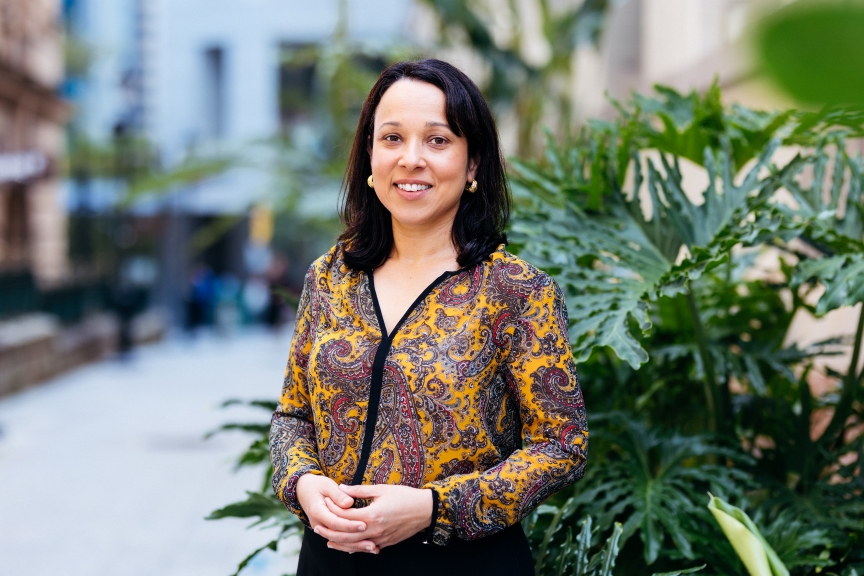
Chief Health Officer Dr Marianne Gale
Community is often defined by a post code, but for Queensland’s Chief Health Officer Dr Marianne Gale, it defines who you become.
Her blueprint for community was drafted in Townsville during the 1980s – a time she remembers as both vibrant and inclusive.
“It was such a welcoming community,” she recalls. “We used to have big parties at our house – a true melting pot where Australian-born neighbours shared the table with Sri Lankan, Malaysian, Indian and Chinese friends.”
This upbringing did more than simply fill her weekends with celebration; it coloured her world with adventure and instilled a deep-seated philosophy of service.
“My family taught me that community isn’t just about who you know,” she explains. “It’s about giving back and caring for those whose lives haven’t been as fortunate as your own.”
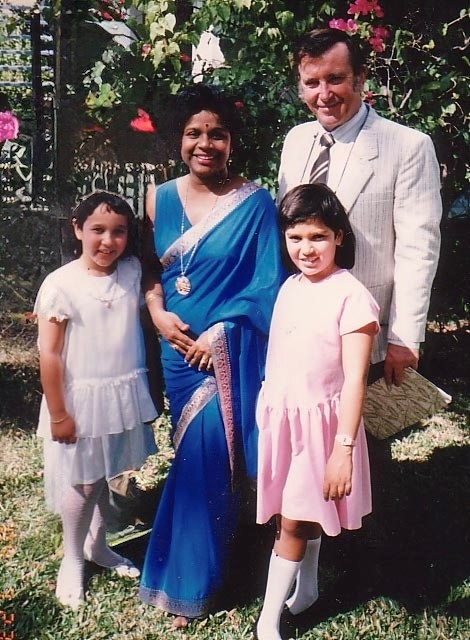
That early philosophy eventually crystalised into a career in medicine. As a child, she played the role of the intern, trailing her uncle while he studied to be an anaesthetist.
“I’d sit next to him and pester him to teach me,” she laughs. While she can’t pinpoint the exact moment the spark ignited, she found herself drawn to the bridge between science and the humanities – a desire to understand how health impacts a life well-lived.
After moving to Perth to complete her senior years and pursue her studies in medicine, she admits there was never a ‘Plan B’. She attributes her success to the support of her family, hard work and a bit of good fortune.
“It was always the path I wanted. I’ve never regretted it.”
After earning her Master of Public Health and Tropical Medicine, she applied to Médecins Sans Frontières (Doctors Without Borders).
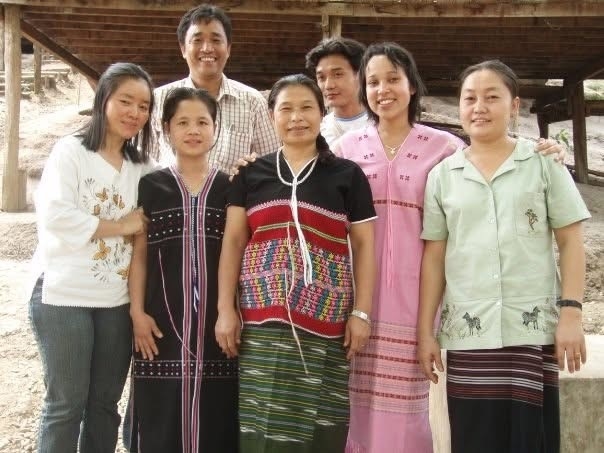
With only a few years of experience as a junior doctor at Townsville Hospital, she embarked on her first mission: a refugee camp in Thailand located on the Myanmar border.
“It was an amazing experience and very formative,” she reflects. “It highlighted to me the multiple factors that play upon a person’s health.”
In a typical hospital, health care is often focused on biological solutions. However, the context of people’s lives matters just as much.
Factors like trauma, displacement, discrimination, lack of income and education, as well as access to affordable health care significantly impact health and wellbeing.
“The experience made me realise the extent to which such factors stop people from living the fullness of the human experience – the kind we all wish for ourselves and our loved ones,” she says. “This is what drew me closer to Public Health”.
Dr Gale spent five years with Doctors Without Borders, moving between the roles of a field doctor and a medical advisor. Eventually, the weight of the work demanded a change.
She joined NSW Health as a Public Health Registrar and began her Doctorate in Public Health at the University of NSW.
“Continuing my study really helped me try to make sense of the things I had experienced overseas,” she explains.
Her career progressed into high-level leadership, and when the COVID-19 pandemic hit, she stepped into the role of NSW’s Deputy Chief Health Officer.
Now, she takes on the role as Queensland’s Chief Health Officer.
“Queensland is a place that I care about very deeply – it was my first home and holds a strong place in my family’s heart,” she explains. “I want Queenslanders to enjoy the best health of any community in the world’.
Her vision for the future focuses on:
- Improving access and uptake of vaccination across Queensland
- Supporting the best start to life for children in Queensland
- Tackling chronic disease, cancer and dementia by addressing the preventable factors that put Queenslanders at risk.
The gap in health outcomes for First Nations communities is a pressing concern, and Dr Gale is keen to work with these communities to effect meaningful change.
Having spent part of her youth in regional Queensland, she carries a deep respect for the strength of those living outside of the major cities.
She believes rural and remote communities are incredibly strong and already possess an ‘amazing base’ to support each other for their health and wellbeing.
One of her early priorities is to visit these areas to listen to community, frontline clinicians and partners providing health and social care.
Her goal is to bring important regional voices to the table to inform planning, help shape preventative health decisions and ensure access to what they need.
"Working at a high level to impact the health of current and future generations is such a privilege"
Whether she is addressing early childhood health, the challenges of an ageing population, or rural equity, her mission remains the same: to give every Queenslander the chance to live a full, meaningful life that is supported by good health, not limited by it.
When asked what she would tell her younger self, she speaks to agency and the power to choose one’s own path.
“I would tell her that anything is possible,’ she says. “That you can shape your career and the life that you want to lead and the impact you want to have on the world in a way that is meaningful to you.”
To her older self, she offers a plea against the unattempted. While many measure regret by the things they did wrong, she measures it by the starting lines she never crossed.
“I would hope that when I’m older, I look back and see that there was nothing left undone.”