

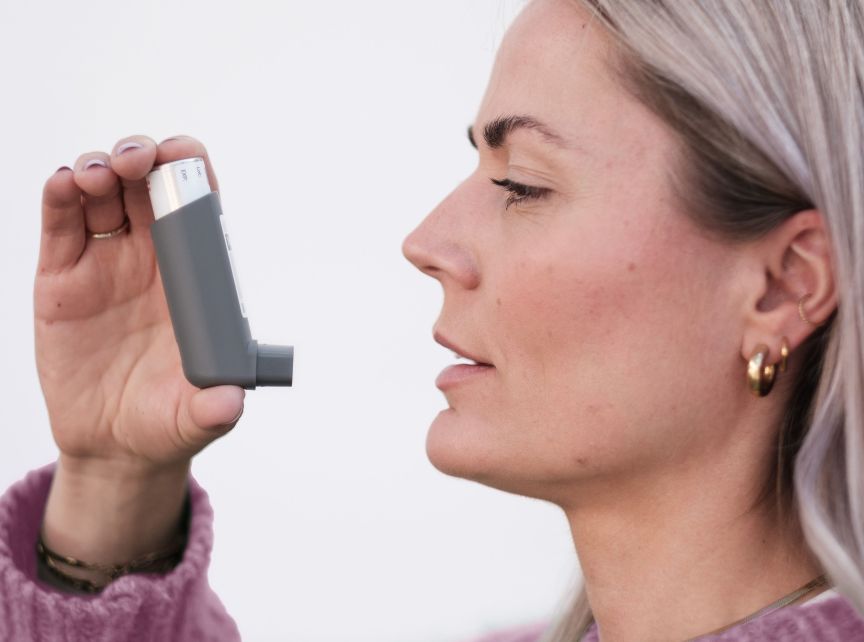
It’s one of the most common medical issues across Australia, with one in nine Australians suffering from breathing difficulties due to asthma.
Asthma can affect anyone, and is one of the most common reasons children visit doctors, or are admitted to hospital.
Asthma is a common disease of the airways – the tubes that carry air from the mouth and nose to the lungs. During an asthma attack, the airways swell, tighten, and fill with mucus, making it hard to breathe.
Common signs of asthma include:
- wheezing – a whistling sound when you or your child breathes in and out
- heavy breathing
- shortness of breath
- a tight chest
- a cough that doesn’t go away, especially at night, early in the morning or when exercising.
Graeme Mattison is a specialist in Respiratory Medicine working at Caboolture and Prince Charles Hospitals, and his role is to help Queenslanders who have difficulty breathing.
After working in this field for many years, he believes the old adage that “prevention is better than the cure” when it comes to asthma.
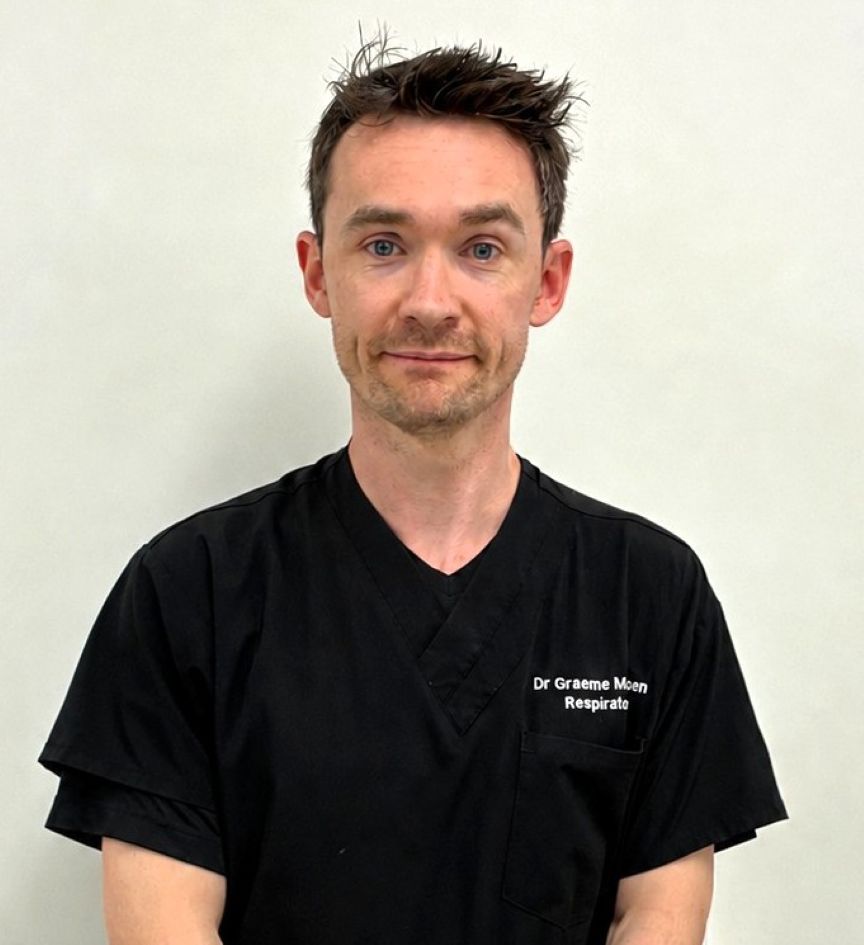
“I look after people with chronic lung conditions which can vary from asthma, COPD (chronic obstructive pulmonary disease), complex lung infection or pulmonary fibrosis,” Graeme said.
“Asthma symptoms vary for different people. I may have someone with asthma come in saying they’re having trouble breathing, coughing frequently or struggling with exercise.
“When coming to the respiratory clinic for asthma, you’ll likely undergo some assessments, which may include a blood test and/or a breathing test. These help with the diagnosis of asthma as well as identify possible triggers, alongside taking a comprehensive history.”
“The thing with asthma is that there can be many, many triggers such as hayfever, a high pollen count, dust, cold air, or allergies, all of which cause the airway to be inflamed.
“When you have asthma, your airways produce mucus which leads to inflammation, which in turn results in shortness of breath, coughing and often wheezing.”
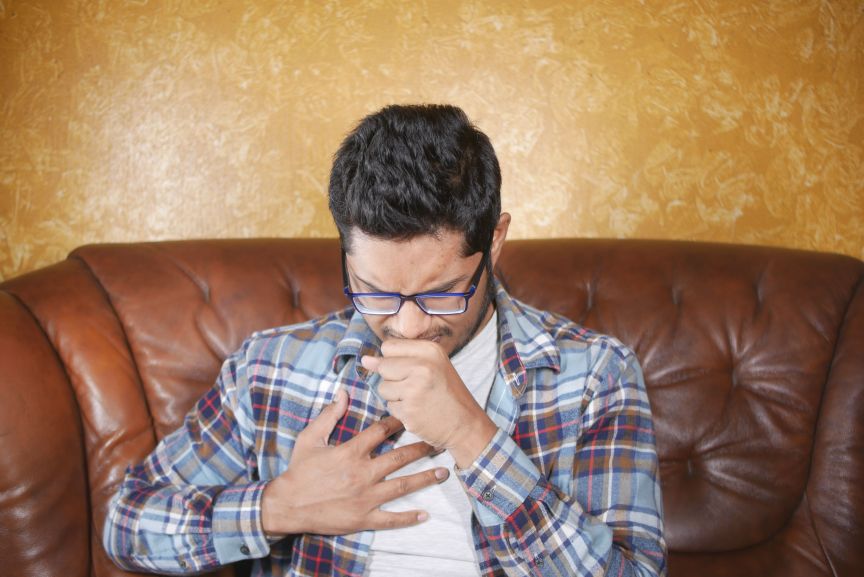
With over 2.8 million Australians suffering from the condition, there are many reasons for an asthma attack, and it doesn’t matter what age or sex you are - it can happen to anyone.
“You can control the symptoms of asthma by using preventers, and Ventolin puffers which you breathe in to reduce lung inflammation which gives temporary relief,” Graeme said.
“If you are triggered by pollen, there are several websites that can give you a daily pollen count. This can help you plan when to go outdoors to lower your risk of an asthma attack.
“The best thing you can do is use your preventer regularly. There are a range of different ones available, which can be affronting, so see your doctor to discuss which is best for your asthma control.”
Graeme has one simple piece of advice for all Queenslanders regarding your breathing.
If you think you have asthma, help is available. Go see your doctor and get an Asthma Action Plan in place and put it on the fridge or somewhere you will see it every day.
“We work alongside clinical nurses in the respiratory clinic who specialise in asthma. During your asthma review, we work together to achieve the best asthma control that we can.
“It could be something like perfecting inhaler technique, or helping to quit smoking, looking at improving your exercise capacity along with other things to further your understanding of what asthma means to you and help managing it.
“The best thing about my job is being able to help people to further their understanding of asthma, how to self-manage it and have better health outcomes overall.”
For more information on Asthma, visit the Queensland Children’s Health page here, or Asthma Australia’s page here.
If you think you are at risk or have symptoms of asthma, talk to your GP or call 13 HEALTH (13 43 25 84) which is open 24/7.