
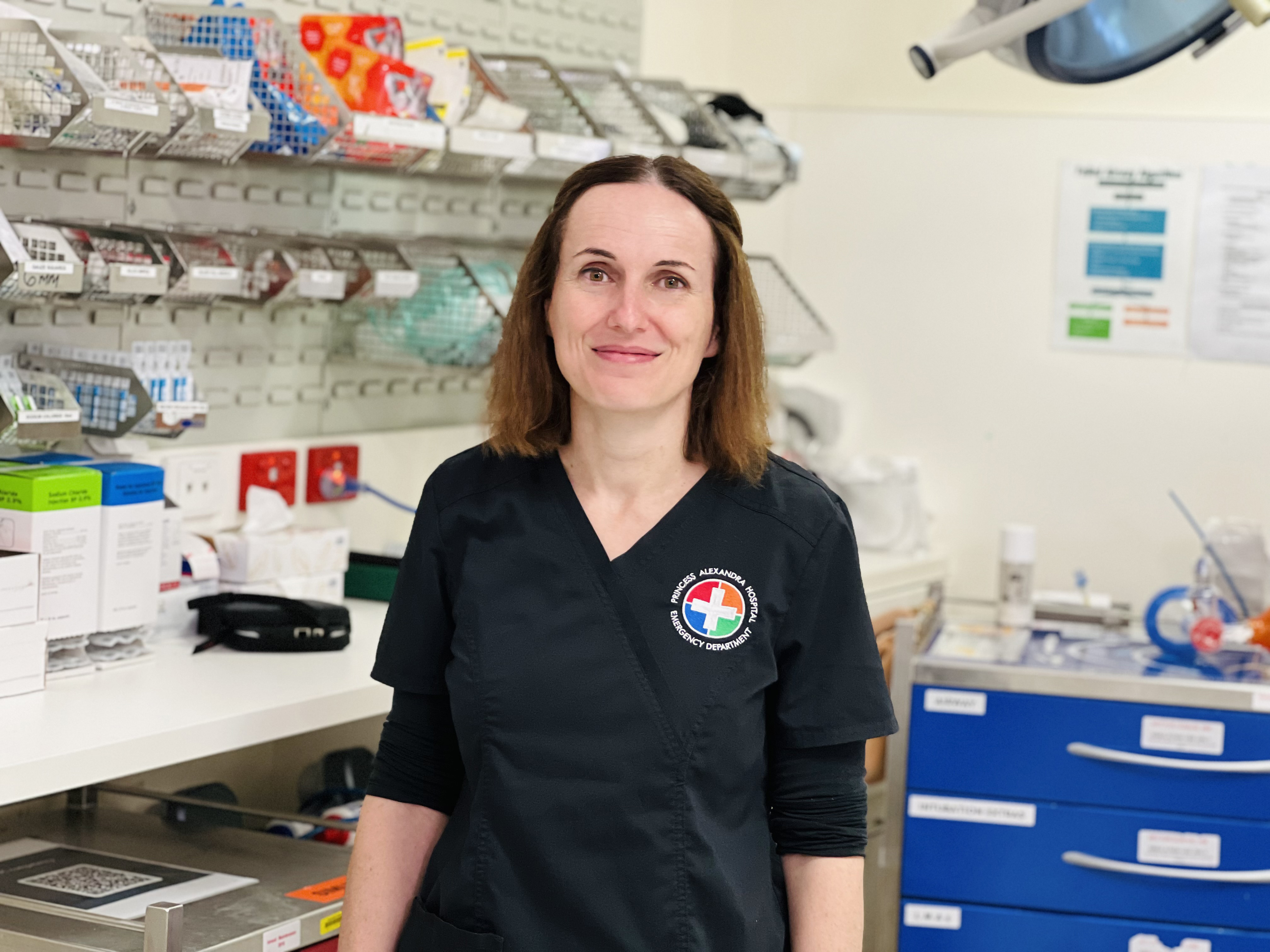
Dr Katherine Isoardi is the Medical Director of the Queensland Poisons Information Centre and Senior Staff Specialist Emergency Physician in the emergency department at the Princess Alexandra Hospital.
The pursuit of the perfect look through the use of illegal peptides already poses a deadly threat, with hidden long-term side effects still a mystery.
Growing concerns
A seemingly healthy young man passes out and has a seizure while training at the gym.
After presenting to Princess Alexandra Hospital in Brisbane with a perilously low blood sugar level, tests showed he had unknowingly been injecting himself with insulin.
He had been using an injectable drug – commonly known as a peptide - in an effort to supercharge his bodybuilding.
Clinical Toxicologist and Associate Professor Dr Katherine Isoardi said he had no idea what was in the product he had been injecting himself with.
“He could have died from that if he he’d had a long enough period with low blood sugar,” she said.
“We were unable to obtain a sample of the peptide, however testing confirmed elevated levels of exogenous insulin in the blood.”
The increasing use of illicit performance and image enhancing drugs is a national trend that is being seen by doctors in Queensland.
There are concerns not just about the side effects they are seeing already but what they haven’t seen yet – the long-term health impacts from the repeated use of clinically untested and unapproved products over the course of years.
LEGAL VS ILLEGAL
Not all peptides are illegal.
The Therapeutic Goods Administration has approved several peptide products, including insulin products for the management of diabetes, which are included on its Australian Register of Therapeutic Goods.
Products not on this list have not been evaluated for safety, quality or effectiveness and the TGA urges people to only use products supplied through a pharmacy.
Peptides are short chains of amino acids that are found in the human body.
They work to regulate processes in the body including metabolism, appetite, hormones and tissue repair and growth.
Synthetic peptides are designed to mimic these effects and are injectable.
Muscle growth, weight loss, anti-ageing or a golden tan are some of the promises.
The lure of quick wins to improve your appearance via injectable drugs are becoming increasingly more appealing, fuelled by social media and commonly sold via the internet.
Great unknown
Dr Isoardi works as Medical Director of the Queensland Poisons Information Centre (QPIC) and Senior Staff Specialist Emergency Physician in the emergency department at the Princess Alexandra Hospital.
She said the number of cases related to peptide usage she had seen so far were relatively small but growing, mostly in people under the age of 40.
“I’ve got visibility of what is coming to emergency departments but also what’s getting called through to the poisons centre,” she said.
“The biggest risk people are taking is that we don't know the long-term safety of these products.”
During the 2025-26 financial year, the QPIC responded to 56 calls relating to exposures to non-registered peptides.
These included 32 cases related to weight-loss peptide retatrutide, eight cases related to the skin tan peptide melanotan and six cases related to exposures to multiple peptides.
Dr Isoardi said the most common side effects from taking illicit peptides included gastrointestinal problems, like nausea, vomiting and diarrhoea but more serious complications like pancreatitis, hypoglycaemia, and severe allergic reactions have occurred.
One common skin tanning peptide can cause priapism, a sustained erection, which requires blood to be drained in an “intense” and painful process.
“A big problem with the peptides people are getting is they have no idea what is in them, despite what’s being promised to them online,” Dr Isoardi said.
“Even if we did know, the research has shown there’s a real variability between the doses people are taking because there’s no regulation.”
Long-term pain
Dr Isoardi’s biggest concerns are for five or 10 years down the track.
“We don’t know if we’re going to have a whole group who are having different sorts of cancers that we’re not expecting,” she said.
“A lot of these peptides affect growth. Things that affect cell turnover like that may lead to risk of cancer and we just don’t know the long-term safety of these substances yet.
“We don’t know about the purity, or the contaminants. We don’t know the impact on fertility.
“We are aware that some peptides are contaminated with potentially dangerous substances like heavy metals, some have far more of the peptide than advertised, some have none at all.
“And there are still these big unknowns.”
Skin deep
Princess Alexandra Hospital Dermatologist and Associate Professor Dr Erin McMeniman said the potential use of a tanning peptide was first explored by researchers 10 years ago as a safe way to tan without UV exposure.
“Fairly early on, those studies were abandoned for safety fears,” she said.
They work by falsely stimulating the body to produce more melanin to make the skin darker.
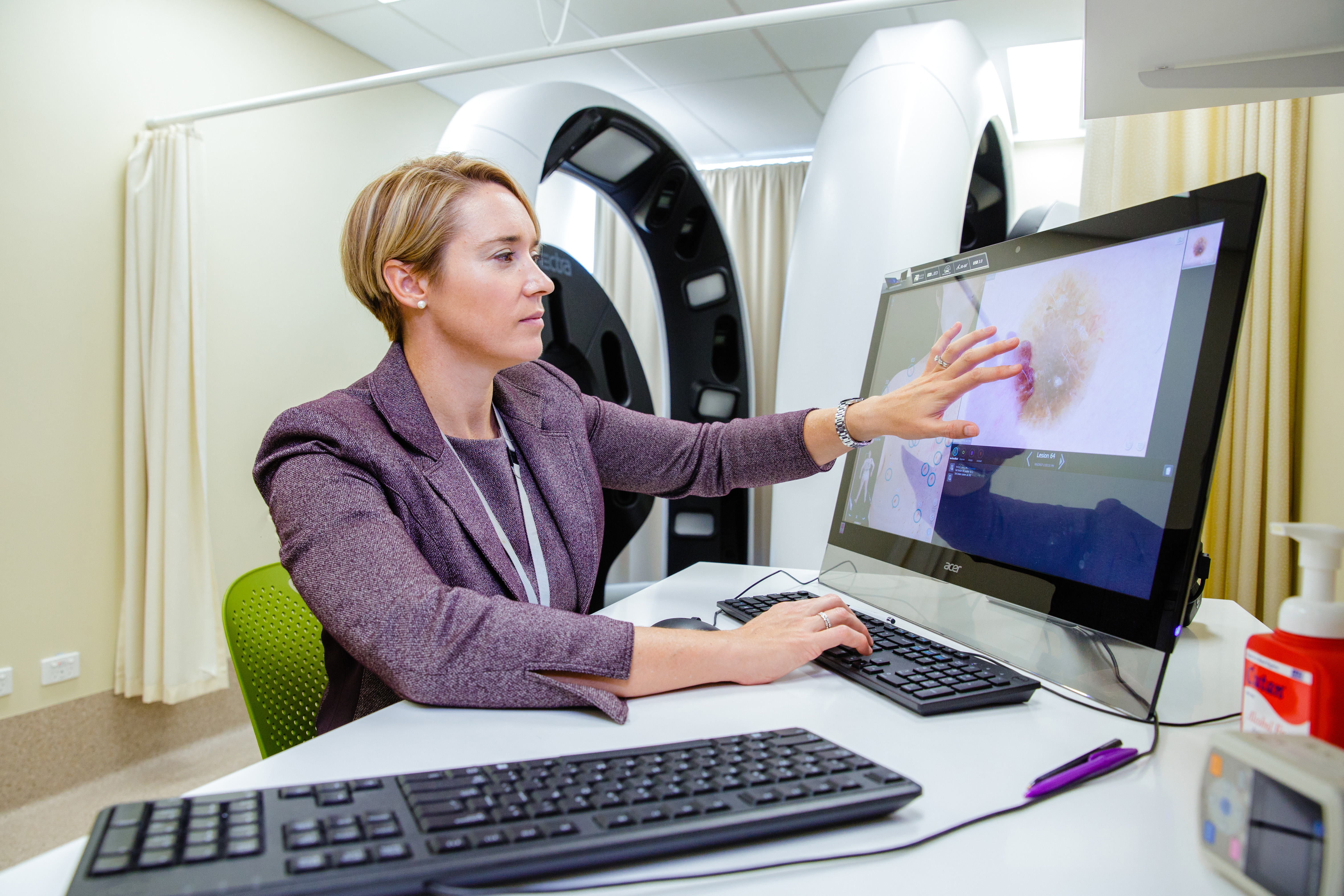
Some alarming cases have resulted in multiple moles emerging right across a users’ skin.
“You already have a one-in-15 lifetime risk of getting melanoma in Queensland,” Dr McMeniman said.
“Now we’re going to be taking a compound that’s stimulating those very cells that can mutate to make the malignancy.
“There are studies that have shown it prompted eruptive increases in moles.
“The moles that were there changed colour, shape and size and some cases reported melanoma occurring in patients taking this stimulating hormone.”
Dr McMeniman said the most alarming case she had heard of involved a woman using an illegal intranasal tanning spray.
“The nasal passage and the mouth are very absorptive,” she said.
“They don’t have the same barrier as your skin. She got intra-nasal melanoma.”
She urged people who were looking for a safe tan and avoiding sunbaking and solariums not to turn to these illicit products instead.
“These products - by stimulating the melanocytes in the body - have impacts beyond the skin and it can have impacts on the brain, the kidney and other hormonal functions in the body,” she said.
“The only safe fake tan is one you’re rubbing onto your skin.”