

Throughout May, Queensland marks Domestic and Family Violence (DFV) Prevention Month, raising awareness, highlighting support services available, and sending a clear message that violence in our communities will not be tolerated.
Unfortunately, DFV is a reality to many people, no matter their social standing or where they live.
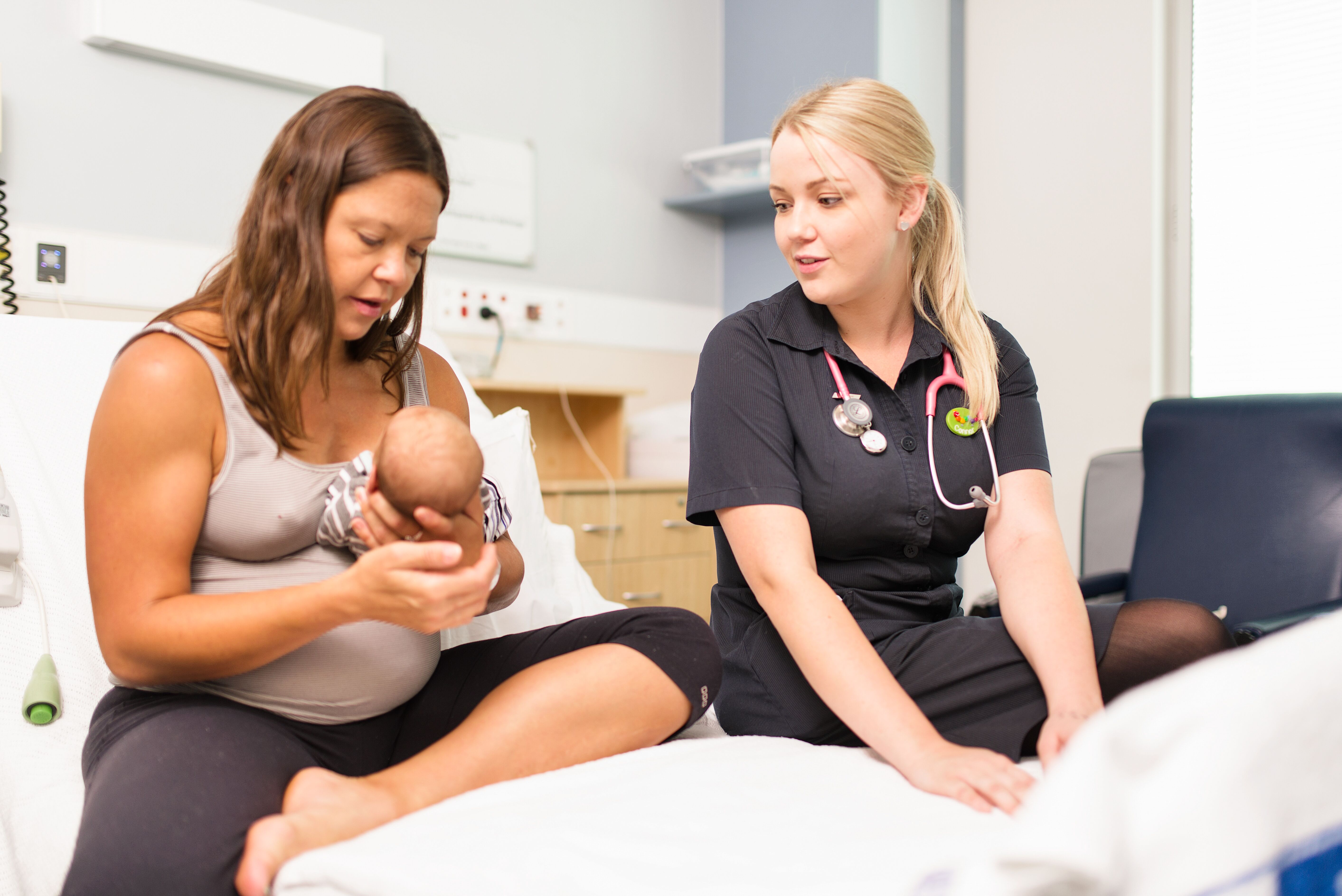
Because it intersects with the healthcare system, midwives – as frontline clinicians – are uniquely positioned to recognise, respond and support victim-survivors.
To meet this need, Queensland Health provides its staff with essential training and comprehensive resources, ensuring its healthcare professionals gain the practical knowledge and confidence required to sensitively screen for DFV.
Leah Sims, a Registered Midwife for almost a decade and in her current Midwife Navigator role at Logan Hospital for almost four years, emphasised that access to DFV training was vital.
“For many women, contact with maternity services in pregnancy may be the first or only opportunity they have to seek support or disclose domestic and family violence,” she said.
“When a woman does disclose domestic and family violence, it is essential that midwives are equipped with the knowledge, skills and resources to respond appropriately and provide safe, supportive and trauma-informed care.”
Leah’s commitment extends beyond Logan Hospital as the Midwife Navigator role is invited annually to Griffith University to present to midwifery students, sharing their experience in working alongside women who are experiencing DFV.
Recently, she furthered her expertise by enrolling in a diploma of counselling, majoring in abuse counselling, and completing additional domestic violence training online.
Queensland Health’s Chief Midwife Officer Liz Wilkes echoed Leah’s sentiments, noting that while pregnancy should be a joyful time, it can unfortunately trigger or intensify DFV.
To address this, all Queensland public hospitals use the Safe Start tool, which has brought much-needed uniformity to healthcare screening.
Unlike previous methods, this tool:
- Prompts screening for both current and past experiences.
- Identifies various forms of DFV, including physical, sexual, psychological, emotional, and financial.
- Enquires about feelings of safety and identifies situations of stalking or other experiences which may cause concern and indicate risk.
It is standard procedure for a midwife to complete a comprehensive mandatory screening for DFV at least once during the antenatal period and again postnatally.
“It is important for midwives to access training,” Ms Wilkes said.
“Midwives must be educated to undertake the screening thoroughly, but with the deep sensitivity required to make a patient feel truly safe.
“While quality screening tools are important, the person’s sense of safety is ultimately what matters most.”
THE FACTS
According to the most recent Chief Health Officer Report, 27.4% of Australian females and 11.9% of males 18 years and older had experienced violence or abuse by an intimate partner or family member since the age of 15.
In Queensland, 50.1% of all assaults were identified as DFV assaults.
The Queensland Government offers support services through specialised 24/7 hotlines for women, men and members of the lesbian, gay, bisexual, transgender, intersex, queer/questioning and asexual (LGBTQIA+) communities who are affected by domestic violence.
Also, 1800 RESPECT provides nationwide victim support and counselling services for Aboriginal and Torres Strait Islander peoples as well as CALD people.