

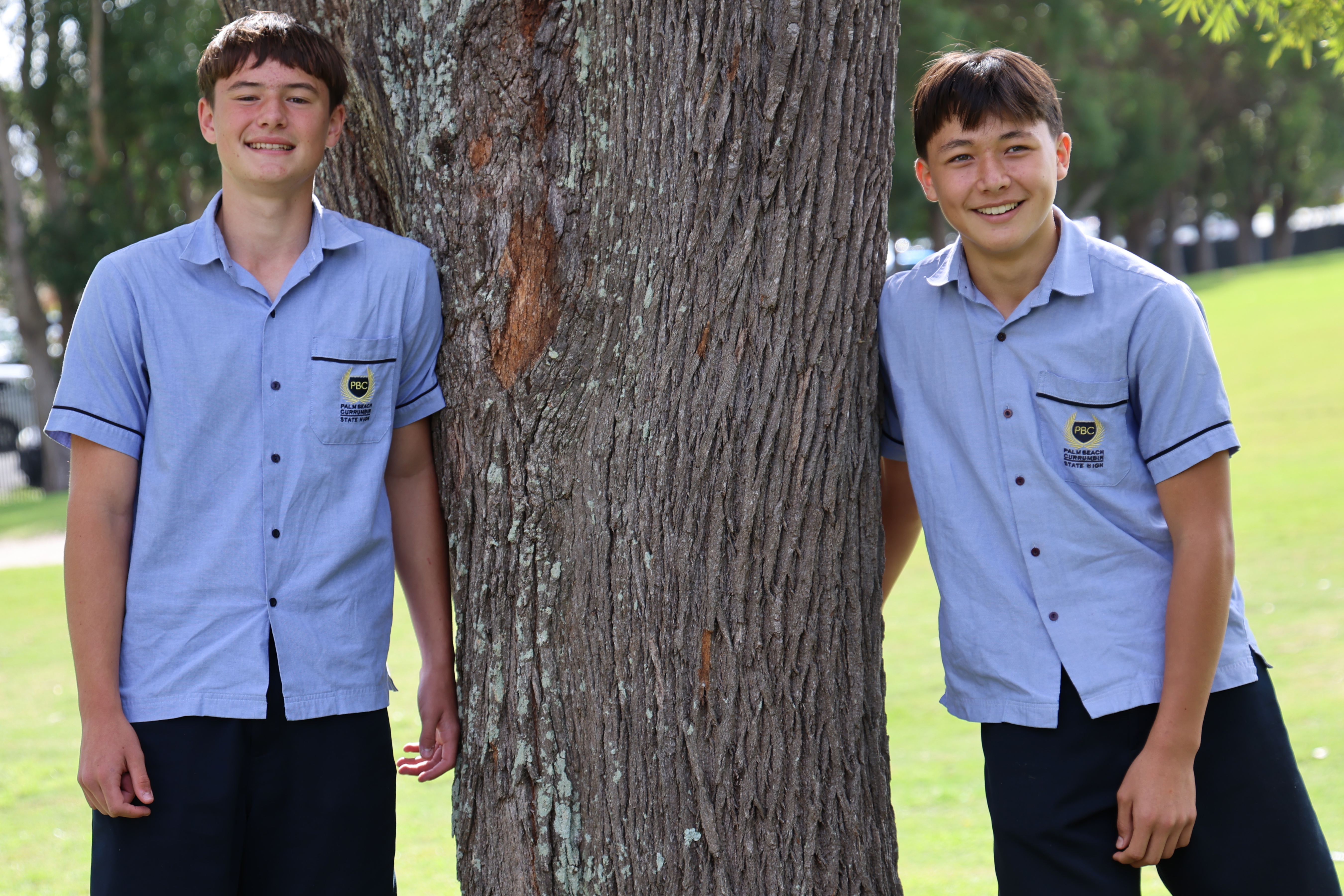
Jack (L), Zane (R). Photo credit: Janelle Miles, ABC
The Pelvic Pain Foundation of Australia (PPFA) is transforming how we teach and speak about pelvic health to high school students through its Periods, Pain, and Endometriosis Program (PPEP Talk®) by inviting boys to be part of the conversation.
Thanks to a more than $812,000 investment from Queensland Health, PPEP Talk® has been delivered to more than 12,000 students and staff in over 180Queensland state schools, with 80 per cent of those schools being in regional, rural, and remote areas.
PPEP Talk® shatters long-standing stigmas, builds essential health literacy, and empowers young people to recognise and manage pelvic pain early.
The talk touches on multidisciplinary teams that can support pain management, from pelvic physiotherapists, dieticians, general practitioners, pain specialists, gynaecologists, and more.
Why boys are joining the chat
Registered nurse Nicola Jensen, a clinical educator and national programs manager of PPEP Talk® said there are two reasons it’s important to include boys in the conversation.
“It’s a great opportunity to connect with young men and help them learn how to empathise with those around them, and how they can provide support,” Nicola said.
 Nicola Jensen, National Programs Manager and Clinical Educator at Pelvic Pain Foundation of Australia.
“By providing them with accurate, evidence-based information, we can reduce social stigma, foster empathy, and empower them to support the health of those around them.
“Plus, we know that boys can experience pelvic pain too, so it’s providing them, as well as the girls, with some practical tips to manage that pain, from stretches to heat packs.
“It’s to educate them on essentially what’s normal and what’s not normal when it comes to pain – we don’t want students to be missing out on school multiple days a month due to pain that we could help manage.”
Student impact in their own words
Following Nicola’s recent PPEP Talk® to 150 Year 9 students at Palm Beach Currumbin State High School, attendees shared how the session changed their outlook on pelvic pain and empathy.
- Breaking the ice: “At the beginning it was a bit awkward, but then I think everyone got a bit used to it.” – Zane.
- Challenging the stigma: “Some people would say ‘oh you’re being dramatic’, but now I know the changes that are going on through someone’s body when they’re experiencing it.” – Eliah.
- Understanding and empathy: Jack explained that gaining insight into what girls experience will lead to him treating his 12-year-old sister "a bit better, that’s for sure."
- Supporting one another: “It helped me understand what people are actually feeling and what I can do to change that for them.” – Asha.
- Including the boys: “I think it’s really important we educate the boys, not just the girls, because one day they’re going to have sisters and girlfriends and mums and all that.” – Lola.

Lola (L), Eliah (R). Photo credit: Janelle Miles, ABC.
PPEP Talk® fast facts
Student understanding of endometriosis: After attending a PPEP Talk, students showed a massive jump in how well they understood endometriosis:
- Girls: Understanding shot up from 51 per cent to 95 per cent.
- Boys: Understanding increased from 14 per cent to 86 per cent.
Support others:
- 96 per cent of teenage boys in Queensland state schools said the program clearly explained to them how to support friends or family with period and/or pelvic pain.
School staff and teachers:
- Staff understanding of menstrual symptoms and endometriosis grew from 67 per cent to 100 per cent.
- 100 per cent of schools that hosted a PPEP Talk would welcome the program’s return.
Queensland’s first comprehensive public endometriosis and pelvic pain service (EPPICS)
Dr Angela Model, a gynaecologist at Gold Coast Health, is a key clinician behind Queensland’s one-stop-shop endometriosis and pelvic pain clinic, EPPICS.
It’s the first of its kind in the state and, since its opening in April 2024, has already supported more than 1,100 women.
Dr Model said she’s seen firsthand the life-changing impact EPICCS’ early, holistic and coordinated care provides.
“Unlike traditional models where patients see a single clinician and face fragmented care, EPPICS provides a full spectrum of specialists,” Dr Model said.
“Patients have access to diagnostics, gynaecology, pain medicine, nursing, physiotherapy, psychology, dietetics, and social work.
“More than 70 per cent of our patients have been seen by two or more disciplines, which really highlights the importance of our service and of multidisciplinary care.”
"Pelvic pain can be multifactorial, an initial trigger like endometriosis can eventually affect pelvic muscles, bladder and bowel function, and mental health.
“EPPICS addresses all of these overlapping issues simultaneously.”
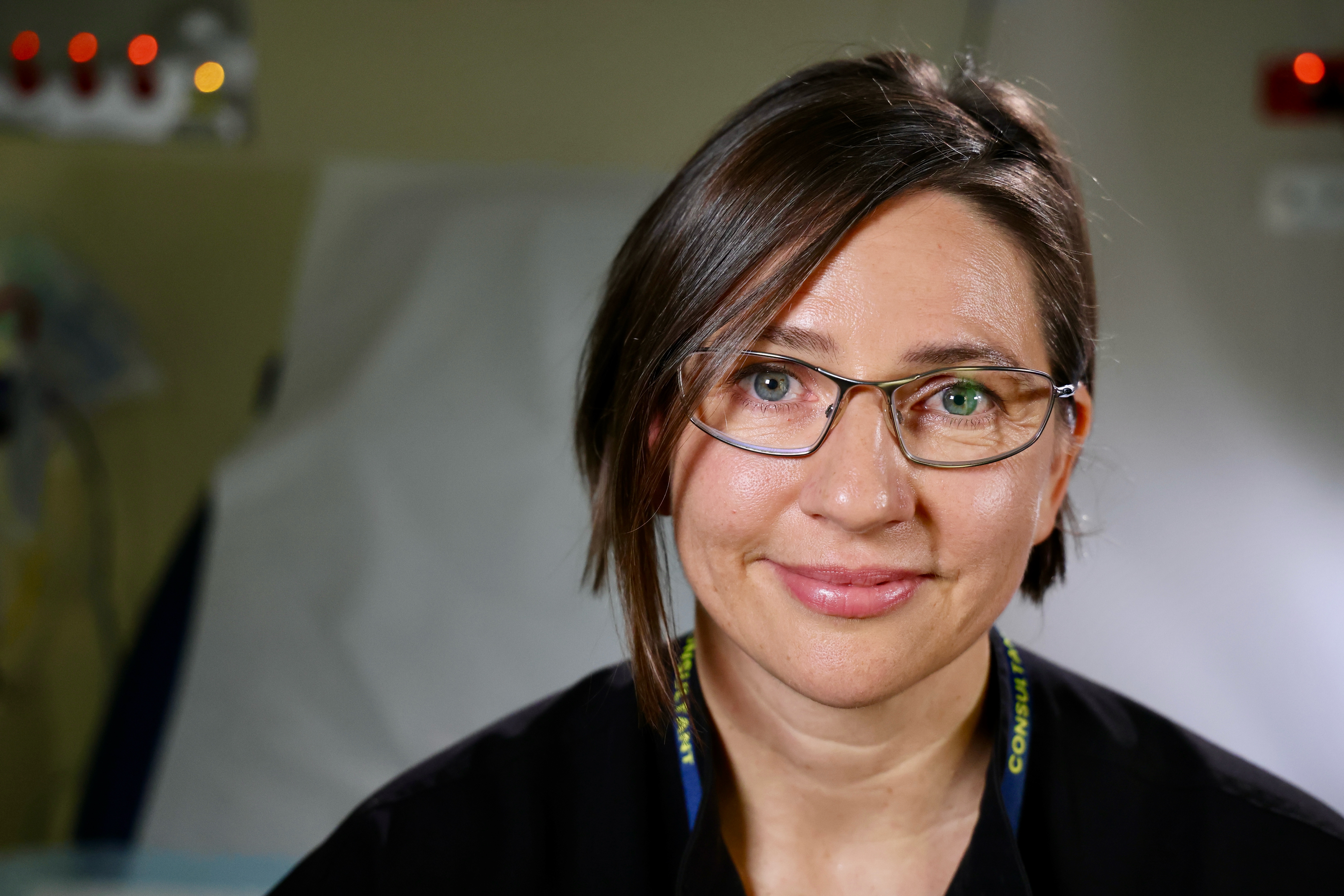 Dr Angela Model at Gold Coast Health. Photo credit: Janelle Miles, ABC.
EPPICS expansion in the works
As one of the few multidisciplinary public pelvic pain services in Australia, EPPICS is a model the rest of the country is watching.
Gold Coast Health is actively sharing its data with Queensland Health, hoping to inspire similar clinics nationwide.
The demand is clear, and the service is rapidly growing. Later this year, EPPICS will be moving to a new premises in a community setting to further increase clinical support and improve access for women.
This move and expansion will allow EPPICS to increase clinics from running twice a week to five times a week. Doctors will still conduct gynaecological reviews at Gold Coast University Hospital.
New pelvic pain and endometriosis clinic for North Queensland
Backed by a $3.2 million investment, a new integrated service at Townsville University Hospital provides a clear referral pathway and coordinated care for women and girls experiencing debilitating pelvic pain and endometriosis across North Queensland.
It features a multidisciplinary team, including specialist doctors, nurses, physiotherapists, psychologists, and sonographers, and other allied health professionals who collaborate to deliver cohesive treatment plans tailored to each patient’s needs.
The investment funds over 12 full-time equivalent positions and advanced diagnostic equipment, such as specialised ultrasound machines capable of detecting deep infiltrating endometriosis.