

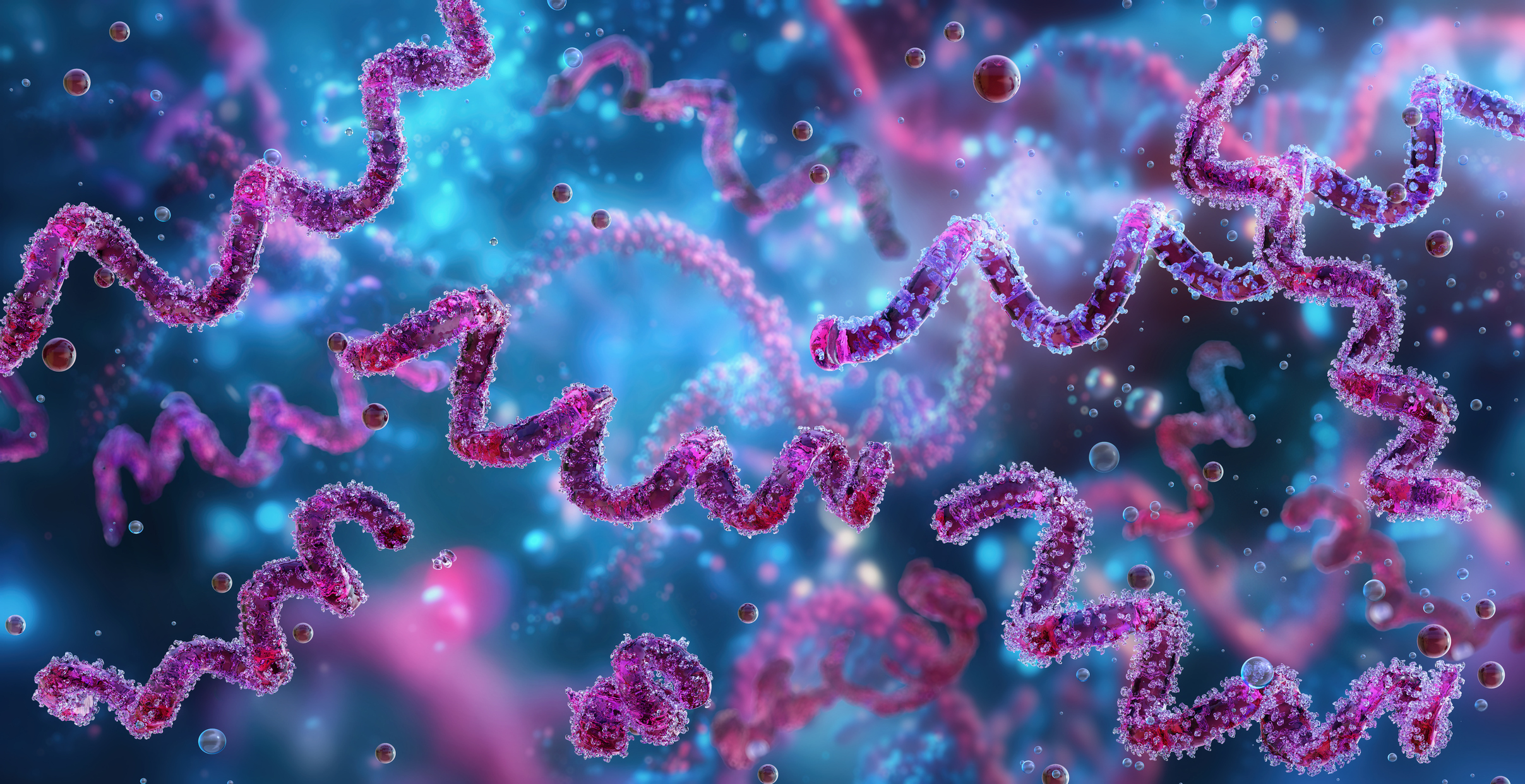
Syphilis is a corkscrew shaped bacteria that is spread through sexual activity. It is preventable and treatable with penicillin.
The number of syphilis cases across Australia remains high, making testing and early treatment more important than ever before.
In Queensland, infectious syphilis notifications have increased almost nine-fold over the past two decades, rising from 112 cases in 2001 to 1,467 cases in 2025.
So far this year, 1,101 infectious syphilis notifications have been recorded in Queensland, along with five cases of congenital syphilis, including one perinatal death.
While syphilis can affect anyone, people facing social inequity, barriers to healthcare services and accurate health information are often most affected.
This includes Aboriginal and Torres Strait Islander peoples and people from culturally and linguistically diverse communities.
Queensland is also seeing increased notifications among women of reproductive age, highlighting the importance of testing during pregnancy.
In 2024, infectious syphilis notifications among women aged 15 to 44 were 46 per cent higher than the previous five-year average.
There were 76 notifications of syphilis in pregnancy in 2024 and 72 in 2025.
Protecting mothers and babies
Syphilis can be passed from a pregnant woman to her baby. This is known as congenital syphilis and can have serious consequences, including miscarriage, stillbirth and other serious health problems.
The good news is that congenital syphilis is preventable.
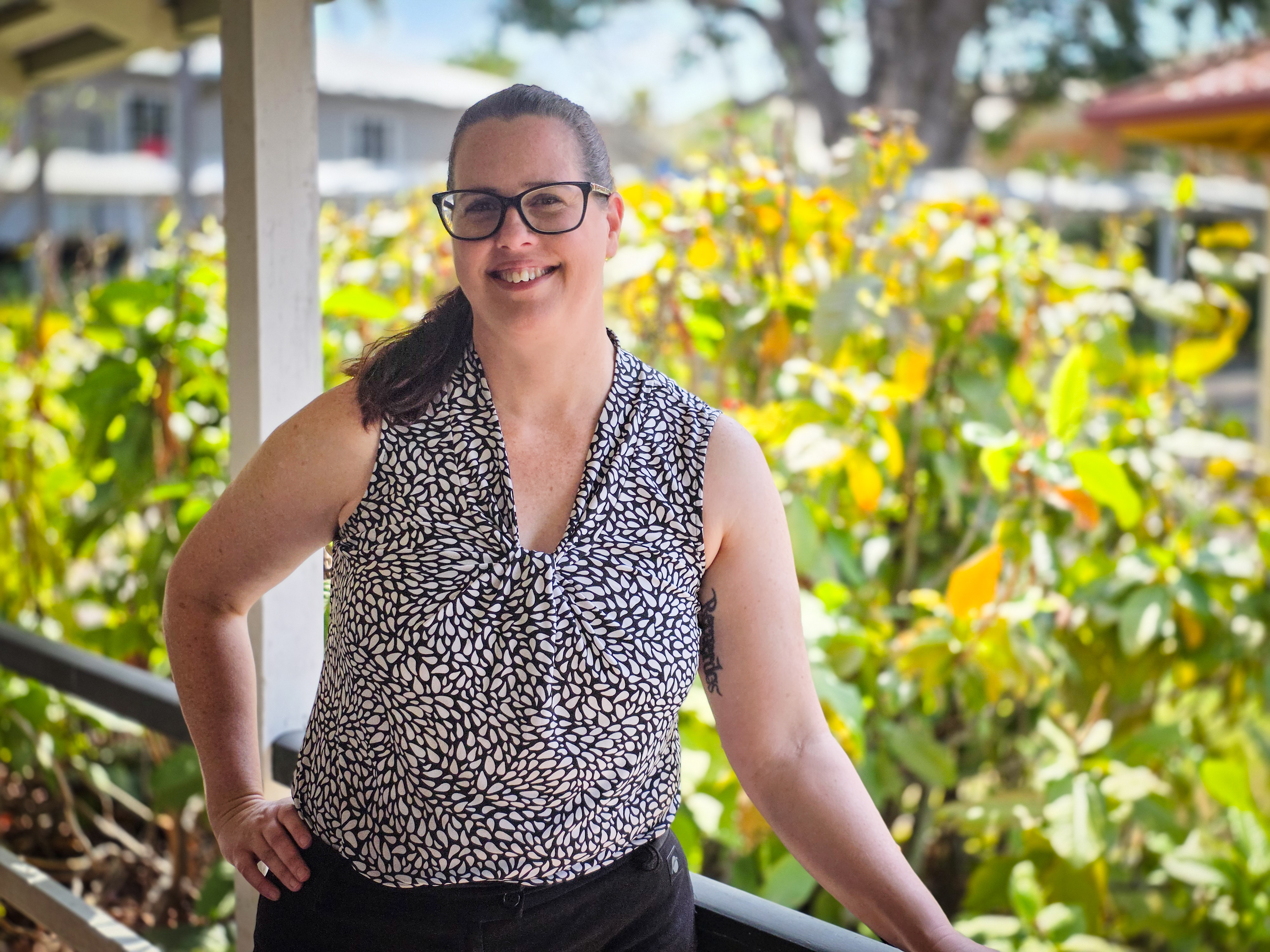
Dr Candice Holland from the Metro North Public Health Unit is concerned about ongoing cases of syphilis and encourages people to get tested at least every six to 12 months if they are sexually active.
Queensland Health Public Health and Infectious Disease Physician Dr Candice Holland said the earlier syphilis is detected and treated, the better the outcome.
“It’s recommended all pregnant women have a syphilis test at least three times during pregnancy – once in each trimester,” she said.
Queensland’s clinical guidelines for syphilis and pregnancy were updated in December 2024 to support best-practice screening and management.
Testing prompts have also been incorporated into electronic medical record systems and paper-based forms, helping remind clinicians to offer testing throughout pregnancy.
“Testing during pregnancy gives clinicians multiple opportunities to identify an infection and treat it before the baby is born,” Dr Holland said.
Testing is quick, confidential and important
Syphilis does not always cause obvious symptoms, and people can have an infection without knowing it.
Regular sexually transmissible infection (STI) testing can help identify infections early, allowing people to access treatment and reduce the risk of passing an infection to someone else.
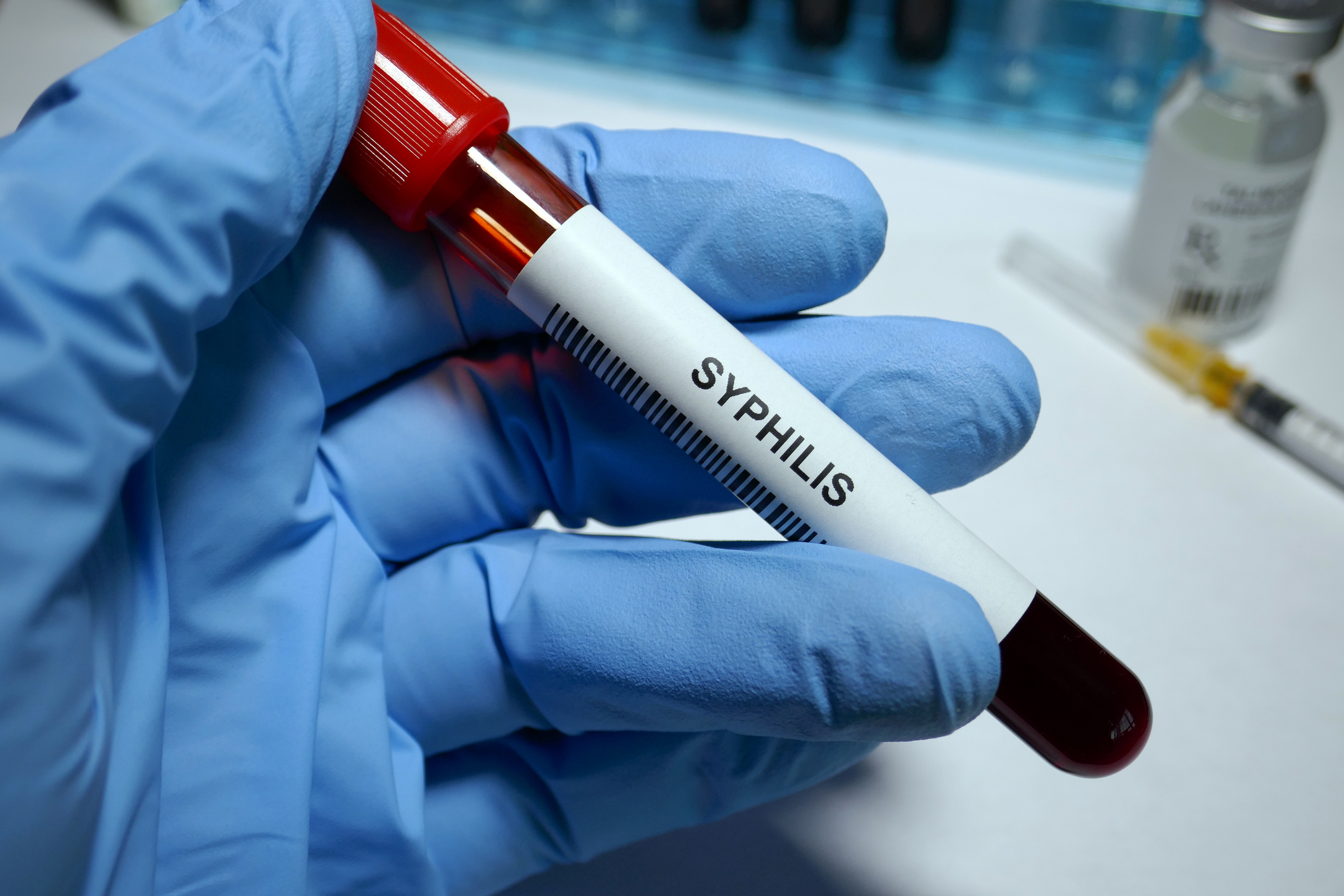
Syphilis testing can be part of regular STI testing, which is done quickly and confidentially in public sexual health clinics or primary care providers.
People who are sexually active are encouraged to have an STI test at least every six to 12 months, or with a new sexual partner.
Condoms used during oral, anal or vaginal sex are also an important way to reduce the risk of syphilis and other STIs.
Dr Holland said STI testing is a normal part of looking after your health and is quick, easy and confidential.
“If syphilis is detected, it can be cured with antibiotics,” she said.
“People diagnosed with syphilis should also make sure their sexual partners are notified so they can be tested and treated where necessary. This is an important part of stopping transmission in the community.
“Without treatment, syphilis can remain in the body for many years and cause serious health problems.”
Statewide response to syphilis
Queensland Health is taking a whole-of-system approach to reducing syphilis through the Queensland Syphilis Action Plan 2023–2028 and the Queensland STI Plan 2030.
Queensland has set a goal of having no new cases of congenital syphilis by 2028, in line with the broader national response.
Work is focused on reducing transmission, improving access to testing and treatment, and preventing syphilis from being passed from mother to baby.
Significant progress has been made on priority actions under the Queensland Syphilis Action Plan, including community awareness activities, health professional education and training, and strategies to increase access to testing and treatment.
Queensland Health committed an initial $1 million to boost the capacity of the Queensland Syphilis Surveillance Service, establish positions supporting women at risk during pregnancy, and deliver training for syphilis prevention in antenatal settings.
Additionally, $12 million over four years has been invested from 2024, and $3 million recurrently from 1 July 2028 to further expand the public sexual health workforce and support the syphilis response.
This investment enabled 14.3 full-time equivalent positions to be established across seven Hospital and Health Services (HHSs) and the Department of Health to support STI awareness, prevention and treatment.
Recurrent funding has also been provided to four North Queensland HHSs since 2022 to continue the activity from the North Queensland Aboriginal and Torres Strait Islander STI Action Plan.