

Summary
This episode is part of the It Can’t Hurt to Ask: Men's Health podcast.
[Content warning: This episode contains discussions about drug and alcohol use. Substance use is nuanced with many contributing factors that cannot be fully covered in this episode.]
This episode, we're tackling substance use—alcohol and drugs, including performance drugs.
You'll hear from our expert, Advance Peer Worker, Himalaya, who'll take us through some of the science and psychological factors behind drug and alcohol use, how and when to seek help, how drugs and alcohol impact the body, and the risks associated with all drug use, including performance drugs.
You'll also hear from Queensland man, Tim, about his own experiences as a young person drinking alcohol and being around friends using drugs, and from young Queenslander, Phoenix, who has a question about the risks of mixing alcohol and drugs.
For anyone who recreationally uses drugs or alcohol, is struggling with alcohol and other drug use, or is worried about family or friends, this episode is for you.
How do drugs and alcohol affect the body? Why do people use drugs and alcohol? How can I reduce my risk when taking drugs or drinking? Where can I get support for me or my family or friends? What risks are you taking when you use steroids? Listen to find out.
If you'd like to learn more about men's health, tune in to our brand-new season. Keep your ears open for our next episode.
Feel free to leave us a review too—we'd love to hear your thoughts.
Featured in this episode:
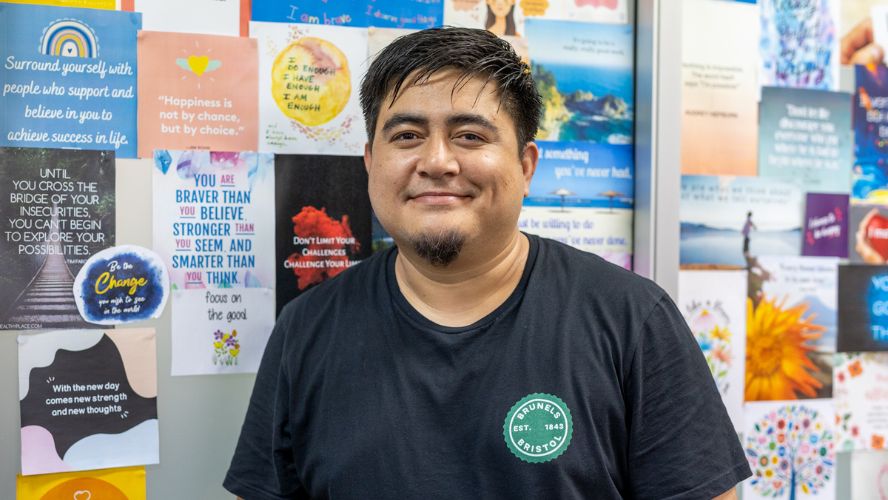 Himalaya Thapa
42-year-old Himalaya is a passionate advance peer worker and lived experience worker with the West Moreton Alcohol and Other Drugs Service (AODS). His lived experience includes years of struggle with mental health issues and alcohol and drug addiction, childhood trauma, homelessness and suicide attempts. He finds his role empowering, fulfilling and impactful.
Himalaya identifies self-care and community as the most important parts of recovery. His self-care activities include gardening, fishing, anime, music and cooking.
Himalaya is a strong advocate against the stigma of mental health issues and alcohol and other drug use. He believes that recovery is possible at any stage of our journey and the person is the expert of their own lived experience.
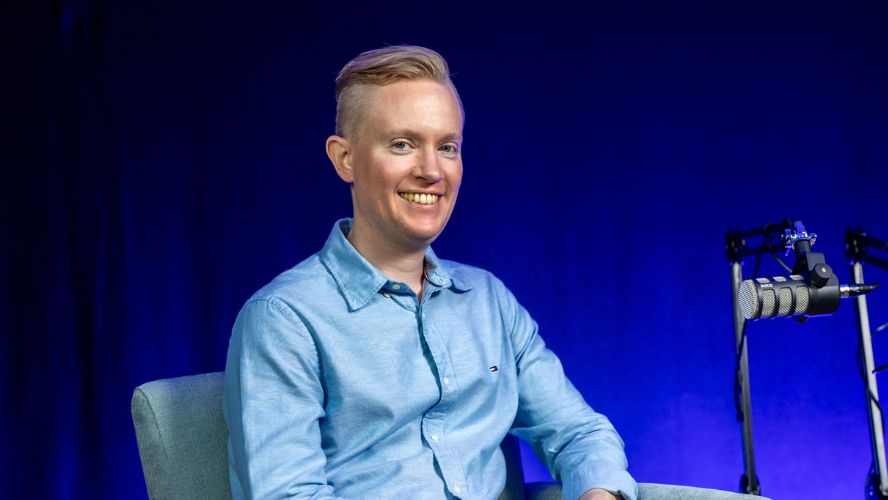 Beau
Beau
Beau is a health-conscious marketing and communications worker in his early 30s.
He loves music, movies, food, drink, and sport (well, watching it) and hates misinformation. He's definitely a dog guy but thinks cats are pretty cool, though he believes neither are as cool as our native animals.
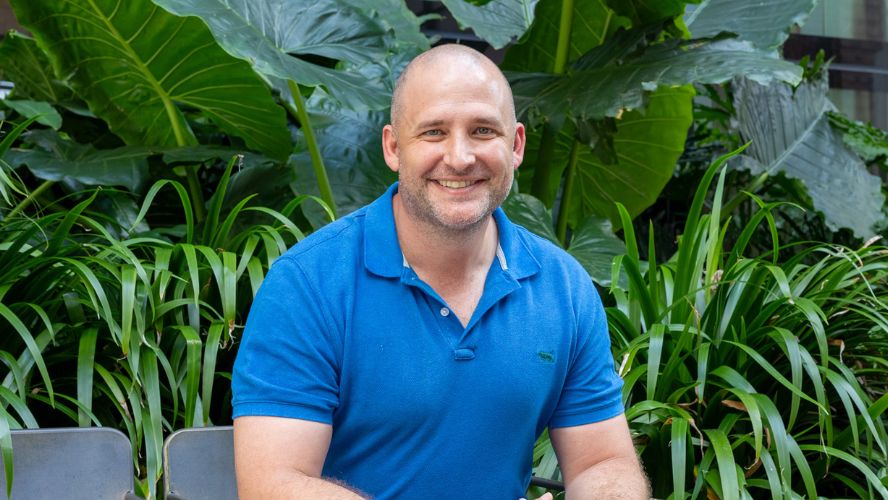 Tim
Tim
Tim is happily married with two boys powered by cereal and mischief, and spends his spare time coaching U8s AFL, lifting weights, and bingeing YouTube videos about hobbies he’ll never start.
He's currently flirting with a midlife crisis via a sports car and a motorbike, and figures Steve McQueen had the right idea — just with fewer car seats.
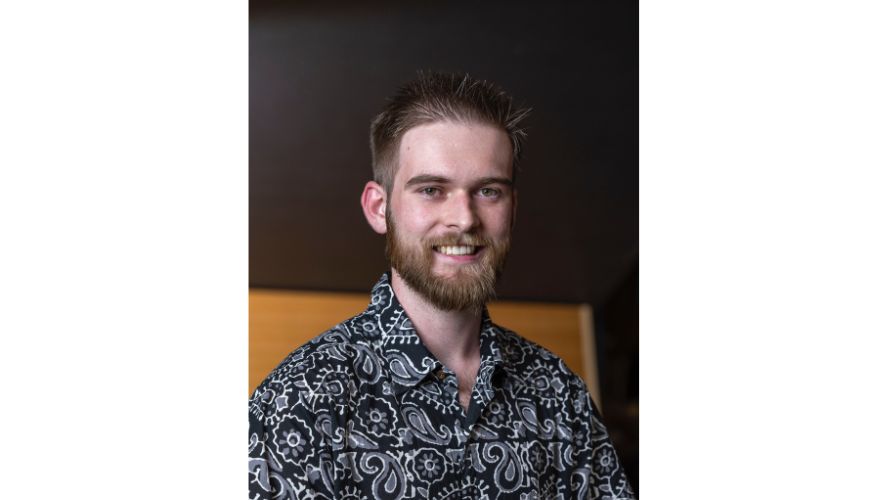 Phoenix
Phoenix is an active and healthy 22-year-old. He recently competed in his first Hyrox event and has a passion for music.
Phoenix works as a camera operator and loves to travel, meet new people and push himself outside of his comfort zone. He finds that staying active and making time for music helps him to stay grounded and on top of his mental wellbeing.
Episode resources:
Adis
If you're concerned about your own or someone else's alcohol and other drugs use. Call Adis 24/7 Alcohol and Drug Support on 1800 177 833. You can also visit their website for more information or to chat with a counsellor online.
If you or someone you know needs urgent help, call triple zero (000) or go to your nearest emergency department.
Signs to look out for
If you are worried about your drug use or concerned for someone you know, there are indicators to look out for which include spending large amounts of time getting, using or recovering from the effects, using in greater amounts, needing to use more to get the same effect, difficulty stopping or cutting back, cravings, withdrawal symptoms and experiencing problems in your social life.
Not sure? Take this quiz to see if your drug or alcohol use is risky.
Alcohol guidelines
Alcohol affects everyone in different ways and it’s important to know that drinking is never completely safe.
The Australian Alcohol Guidelines recommend:
- healthy adults should drink no more than 10 standard drinks in a week, and no more than 4 standard drinks on any one day
- people under 18, and women who are pregnant, planning a pregnancy, or breastfeeding shouldn't drink any alcohol.
Alcohol
Is one more worth it? You could be cracking open a splitting headache, with a hangover leaving you feeling tired and irritable. Wouldn’t you rather a deep, restorative sleep leaving you firing on all cylinders tomorrow?
Cutting back has many benefits to your overall health. Learn more about how reducing your drinking will have you looking and feeling your best visiting the keep an eye on your drinking website.
Drugs
Understanding different drug types will help you to recognise the effects and potential harms. Drug types can be broken into three main categories: stimulants, depressants and hallucinogens. Learn more about the difference by visiting the Adis website.
Note: There is no safe level of alcohol or drug use, and the use of any drug always carries some risk. Combining drugs also known as ‘poly-drug use’ increases the risk and can be extremely dangerous. The effects of mixing drugs can be unpredictable, and people are more at risk of overdose, including death.
Transcript
Himalaya: It is harder to come off alcohol than heroin. Personally, that's how I felt.
Tim: As I was growing up alcohol was, was the main one and everyone used to binge drink. A lot more of the friends and family and people that I know has been more the illicit substances because of the cost of drinking.
Phoenix: What happens when you start mixing different substances at once?
Beau: Welcome to another episode of season three of It Can't Hurt To Ask, the podcast where we dive into all your health and wellbeing question and concerns. I'm Beau, I'm your host for this season, and we're talking all about men's health. We'd like to acknowledge the traditional custodians of the land on which we record. For us, in Meanjin, it's the land of the Yuggera and Turrbal people.
Today we're talking about a subject that hits close to home for many of us - substance use. Whether it's drinks with the boys, drugs on the weekend, or gym performance hacks.
We're diving into what these choices mean for your body, mind, and for you in the future. Joining us is Himalaya Thapa, an advanced peer worker with the alcohol and other drug service, or AODS, at Ipswich Hospital. He's here to help us navigate the risks and rewards of substance use. Welcome Himalaya.
Himalaya: Thanks Beau.
Beau: Thanks for coming in. I think, probably following on from your intro, the first question I have, because I don't know a lot about what you do, can you tell me a little bit more about the day to day of your job?
Himalaya: Yeah, sure. I'm part of the multidisciplinary team at AODS, Ipswich. that means I have my own caseloads, so I get referrals from, other, members, other staff. I get referral from the community. I get referral from the hospital.
Also, we get people that ... who would just walk in and ask for help, and then we decide. We offer them the service: would you like to see a peer worker, or would you like to see a psychologist or occupational therapist? And they might say, I’d like to see a peer worker.
So usually my daily work, would be lots of groups. So, I do around four groups a week. I also do lots of one-on-one discussions and chat. I usually like to call it catchups. Basically, I encourage others to discuss, like talk about what's really going on and what they're looking for, what support they're looking out for.
Everyone's different. So, you have to respect that individuality.
Beau: Yeah. So, your job allows you to connect more ...
Himalaya: Yeah.
Beau: ... with the specific person's circumstance.
Himalaya: Yes. Yes.
Beau: Rather than, you know, they just present and then they're shuffled into emergency or something like that.
Himalaya: Exactly, yeah.
So, I have an intensive lived experience of drug and alcohol addiction, and this is where I use my lived experience to connect with people. What happens usually is when I tell them that I have my own lived experience and I usually share a little bit about myself.
That helps them to open up a lot easier. They feel connected, they feel safe, and also to make sure that they feel safe, and heard, so I let them talk about stuff. And, it's also about making a very safe space where they don't feel judged and they feel supported, and they feel heard.
Beau: Yeah. It's so good that that service is available and I didn't realize there's a multidisciplinary team and you know, you are there. So can you then refer to others if they want to be referred or seek further help.
Himalaya: Yes. Our multidisciplinary team also includes drug and alcohol psychiatrists.
So, we always have doctors there. We can look after them, help them with any clinical stuff. We do a lot of referrals to inpatient detox services. We also do referral to community organizations, to mental health and yeah.
Beau: So, you get to kind of link in with the community a bit more in that respect? Yes. Yep. Yeah.
Let's hear from Tim
Tim: Hi, I'm Tim. I'm 42 years old.
As I was growing up, and myself in my, my twenties, alcohol was the main one and everyone used to binge drink, and it was accepted to binge drink.
A lot more of the friends and family and people that I know has been more the illicit substances because of the cost of drinking.
I've had friends and people that I've known that have been on illicit drugs that have ended up in losing their jobs, losing their family, and in a pretty difficult position in life.
Beau: We just heard from Tim about how, it used to be all about binge drinking, but now it might be quite expensive to drink, so people will turn to other substances. What are your thoughts on that?
Himalaya: Yes, that doesn't necessarily mean that people are not binge drinking. But again, I understand what Tim is saying is that it is easier to go and get something for $20 rather than spending a hundred dollars on alcohol.
And this is the thing, because alcohol is also a drug and it's almost like a competition. and nowadays, in the city, in the park, like clubs and venues you can easily buy drugs and that would be a lot cheaper than buying drinks.
Beau: Now let's hear from young Queenslander, Phoenix.
Phoenix: My name is Phoenix and I'm 22 years old.
What happens when you start mixing different substances at once? if you have a bit of alcohol and a bit of drugs.
Beau: That kind of leads to, more dangerous situations, but especially I guess people are often pairing them as well.
Himalaya: Yeah. that's another biggest issue is that when you are using more than one substance and that increases the chance of having a major health issue and lots of accidents and stuff.
And also, you never know what you're getting. that's the risk you are taking.
You don't know what you're putting in your body.
Beau: We can buy drug testing kits, they're not terribly expensive.
Himalaya: You can buy it online. There are some NGOs, community organizations, that can even give it to you for free. If someone's planning to go out, clubs or parties, I think it'll be a good idea to get one for yourself so you, you actually know what you are using.
So ...
Beau: Let's go back to alcohol a little bit. a lot of people like a night out, it's sort of just ingrained in our culture, in a lot of cultures all around the world.
But I guess what's the behind the scenes? What's happening in your body?
Himalaya: So, yes, alcohol. Its impairs your decision making, and your coordination. And because it's a toxin. Our body tries to prioritize, to deal with that toxin before looking after an ything else
So, it is working really hard. That's when our liver is working overtime.
And we all know about hangovers, when our body is trying to recover. Alcohol dehydrates your body because the body is using a lot of water to flush it out of the system.
When you wake up the next day after having a drink, You don't feel well. You feel like you're really tired. And that's because even though you feel like you slept for 10 hours or eight hours, your body's not resting.
Beau: Yeah. I know for me, when I drink I will automatically sleep for longer. That's just a thing takes because otherwise I'm going to feel worse.
Yeah. It takes time.
Himalaya: Yeah. It takes a long time to recover.
Beau: So, it affects your quality of sleep. And too your mental health and your physical health, mental health. Yes. Yeah.
So that's the short-term effects that are happening when we go out and drink. but what are the things we need to watch out for with long-term effects of alcohol?
Himalaya: One risk of alcohol use is because it's legal it's also infused through our culture and community.
The other part of alcohol use is that it's not only affects your life, but it affects the people around you and the community. It's very expensive. A night out could cost you a few hundred dollars easily, and if you drink every day that puts pressure on your mental health, your physical health.
Beau: For those who are looking to be designated drivers or just go out and still hang out with their friends and not drink, there's mocktails and there's non-alcoholic beers, but at clubs and venues, they're often so expensive.
Himalaya: At Alcohol and Drug Services, more than 80% of our consumers, come there for alcohol reasons. I mean, obviously there are some for, other drugs, but the majority of people who come to our services come for alcohol use.
Some of the things that our consumers tell me is that, how can I stop using? If I come here and I get really motivated when I talk to you guys, and I go out and the first thing I see is that there's a pub, there's a bottle shop.
You try to go to the supermarket and there's always a bottle shop in front.
There was a guy who used to tell us that every time you come to AODS, he had to drive past three pubs just from his home.
Everybody drinks you, you watch television, everyone's drinking. And it's in the family too, like at home, people might drink and yeah, that can be very influencing.
Beau: Yeah, alcohol is all around us. It's so accessible. It makes sense that it is more common thinking about, the social impacts, we've talked a little bit about, physical and mental health impacts, but also, it does impact those around us.
Himalaya: If you are struggling with, alcohol, your family or your loved ones, people around you, are struggling with it too.
It leads to broken families, lots of, broken relationships. People might end up, in crime and even prison. You know, like DUI drink driving is a big issue And, uh, yeah, the other thing about alcohol is there's lots of stigma and discrimination towards people.
So, I think that's one reason a lot of people would not like to find help or seek help because of the stigma and discrimination. That is a very isolating effect.
People would slowly move away from their friends and family, from the community. and that might lead to mental health issues,
Beau: With that isolation, it's a tough thing to pull out of because you're moving away from your supports or you're getting cut off from your supports.
But it's also, that makes it harder to, to break out, which is something I guess people don't really see until you're there.
Himalaya: Yes. So, you are more isolated and then that makes you more depressed and anxious, and then that leads to more drug use or alcohol use.
Another thing about alcohol and other drugs is that they're so effective short term. If you are going through any issues in your life, say (an) issue at work, at home, relationship, family, mental health, depression, anxiety, alcohol and drugs are effective short term.
And that is why I believe that's why people tend to use them, like them, but in the long run it just becomes destructive.
Beau: Yeah. I feel that because, it's such a common thing, me myself, you know, you might have a hard day at work. You want to go home and have a beer or have a wine.
It's like an accepted coping mechanism and it does help you feel better. But yeah, I guess we have to watch out for the long term.
Himalaya: You do have to watch out and also you are not addressing the issue that's making you stressed. So, if you're not addressing the issue, then tomorrow it's going to be there and what you're going to do? You're going to drink again.
Beau: We've talked about, how it's a normal thing. Pretty much everyone that's had alcohol has probably drunk too much at one stage. Some people it's regular, some people it's not.
Once you get on the roll, it gets easier to drink too much. Sometimes it's the hardest thing to stop. When you're on a roll and you do drink too much, I think a lot of people … I've certainly experienced that bit where you don't remember things.
Himalaya: Yeah.
Beau: Is that an indication that you've gotten to a dangerous spot?
Himalaya: It is. Yes. Yes. Obviously, because you don't remember things, and a lot of things can happen. It is quite risky. But with my personal experience too, I regret, missing out on life for seven years.
I always thought that I was functioning, I was working hard, and I thought that I deserve alcohol because, I've worked hard all day. But I don't remember for years, I don't remember going to bed. I don't remember the evenings because it's a blank.
And when you are missing years of memories, it's not really nice.
Beau: It's probably a lot more common than we think that you accidentally sort of slip into a pattern that just gets worse over time. Is that generally the way it happens?
Himalaya: It can, yeah. It can happen that way too. Yeah. What I usually do nowadays is I avoid going to dinner parties, any places, where there's alcohol.
And the reason for that is obviously, I want to stay away from all that stuff. I prefer a cafe, breakfast. So, if somebody wants to catch up, I ask (them) to come, you know, catch up on a breakfast because I like the conversation better when there's coffee rather than alcohol.
Beau: So, switching to coffee can be a healthy alternative. Yeah.
From your experience, can you tell us more about trying to give up and what, what was the hardest thing to do?
Himalaya: Absolutely. I was into any opiates, but mostly heroin, for seven years plus.
I managed to stop heroin and it's very difficult to come off heroin.
And I really, really struggled with heroin, obviously. But when I was trying to come off alcohol, that was the biggest challenge because that took me years and years to come off it. I believe it is it is also the hardest thing to come off. If you stop using, then there the chance that, you might, you know, end up having serious health issues.
A lot of times when people come to us in AODS, in Ipswich, we tell them to continue drinking before we find them in-patient detox or in any kind of treatment. And a lot of times that sound doesn't sound right.
Even if they're coming with their family members, they might say, ‘Okay, you are asking us to continue drinking,’ but you know, there's a reason for it.
Beau: I had no idea. So that's, it kind of paints a pretty serious picture.
Himalaya: And the withdrawal also lasts a lot longer than opiates.
Beau: Yeah. Right. So chemically it actually affects you in a different way that it could actually lead to death if you just stop, say.
Himalaya: If you stop, then there's the chance that you might have DTs. Okay. It's delirium tremens and that can cause seizure.
Beau: Yeah wow.
Himalaya: Yeah, it's pretty ...
Beau: I didn't realize it had that level of impact to hear that it can be dangerous is wild.
What about consistent use? Is it the sort of thing that the more you drink, the more likely you are? Or are some people safe? Is it up to the individual or is it just a chemical thing?
Himalaya: I mean, it can be up to the individual, but if you're a long-term drinker, it's highly likely. Most of the time when people start drinking heavily, there's a reason behind it.
A lot of time people are using it to cope with things. People who had difficult, childhood or difficult past, trauma, all that sort of stuff, it's very difficult to deal with them. So, drugs and alcohol becomes such a go to, because it, it can help you in the short term. But in the long run, if someone's drinking regularly for a long time, yeah, it's a really high chance.
Beau: So, we mentioned drugs a little bit before, but I'm curious to know a bit more about, from your experience, what's around now and how do those things affect us?
Himalaya: Right now MDMA is there, ketamine. There's other drugs too, like, there's GHB, but obviously cocaine, MDMA, ketamine are popular. So, apart from alcohol which will most popular.
Beau: Yeah. But I guess, speaking about those drugs, do they all sort of work the same way or some things do different things?
Himalaya: No, but alcohol is a depressant. So basically, it's lowering your inhibition, so you're slowing down. Uh, whereas MDMA cocaine are stimulants. So, they increase your heart rate.
They give you more energy. You feel very excited, alive. Some people, they drink and use stimulants because when you are using say, cocaine on top of alcohol, you feel like you are not drunk, so you can drink more,
People like to be in that scene for longer And you're mixing drugs. Yeah.
Beau: Mm-hmm. So, it's all about keeping yourself in the zone, I suppose, always possible. That's finding new ways to do that chemically.
Himalaya: And also like there are some people who like hallucinogens, like LSD.
Beau: I suppose it depends what scene you're into and probably what music you listen to.
Himalaya: Exactly, exactly..
Beau: Yeah. So, with the long-term effects then, you know, people might go out for a night out and use, MDMA or whatever, but is it something that is more likely to become a habit? Is it something that is dangerous?
Himalaya: Look, all the drug - most of the drug use starts that way too because there are stages of drug use. So, first thing is abstinence - people don't use at all. And there's when people start to experiment with, right?
The experimental stage when people want to try everything. But when the recreational drug use comes in, which is when people go out over the weekend and they use.
When they are in that recreational space, it's really easy for them to move into daily use or dependent use. The other risk of using, is that from the buying from the streets or buying from people, is that you don't know what you're getting.
There's a lot of times, drugs like MDMA, cocaine, are cut with other powerful stimulants.
If someone buys MDMA or cocaine, most likely they are being cut with, even powerful drugs like methamphetamine or ice. And, yeah that's a whole big issue.
Beau: Exactly. Because, you know, if you are going to do it, then it's important to worry about what's in it. Yeah.
Himalaya: And there's another risk buying drugs. Recently we've been having cases about people overdosing when they're using a drug like cocaine because it's been cut with very powerful opiates, which is nitazenes.
Beau: Oh, okay.
Himalaya: Nitazene is it's a very similar opiate like fentanyl. And in Australia you are getting nitazene in cocaine, in MDMA, in benzodiazepines, like pills, like Xanax that you buy from street or buying online stuff.
So next time if somebody decides to do cocaine, they might be using nitazene?
Beau:So obviously the preference is to stop using, but if people do want to use and they are getting it every, can they do anything to be safe? Can you check?
Himalaya: This is where the harm minimization comes in, and it's really important to know where you getting your stuff, how much you can use, what are you trying to get out of it? I know it's very difficult when you get into that zone when people are getting little bit influenced.
They like to, you know, do stuff. The way the fear is reduced, your energy level is up. People like to do stuff, but you’ve got to be careful, and you need to plan ahead.
I would really encourage people if they are using out there, regardless of using hallucinogens, depressants, or stimulants, I would encourage them to get Naloxone spray.
Naloxone is a spray that stops the opiate overdose.
Beau: So that's something you could more likely administer on someone else? Or could that also be something you use on yourself too?
Himalaya: Yourself, too. If you are feeling that way. Absolutely. Yeah. And like if you go and get it from any health centre, any community health centre, they'll explain to you how to use it.
And it's free too, so you can go and get it. Yep.
Beau: From your local community health centre. Great. That's a good tip because it's, you know, might not even be your life on the line, it might be someone else's.
And like you say, that's actually more common with things, extra high strength things being cut in.
Himalaya: Yeah. They're using it to just make things stronger. And, it is very, very powerful. Yeah. It's like they're a hundred times (more) powerful than heroin.
Beau: Wow. I'd love to know. It's probably not something we could ever find out, if drugs have become stronger over time because that's what people need or because, it's just what's out there, it’s cheaper.
Himalaya: I think it's cheaper. It's easier for them to produce. Nowadays drugs are being produced not in poppy fields, they're produced in small labs in people's home, and it's all about synthetic opiates, like synthetic drugs that's coming out.
Like ice is a synthetic drug. People can cook ice in the backyard. Same with other synthetic opiates. People buy different chemicals online and they're mixing up and they, they're producing really, really powerful opiates in our backyard.
Beau: So, we touched a little bit on ice just before. Is that still a big deal? I know that was a big deal for a while.
Himalaya: Ice is still a big deal. It's not big as alcohol obviously. But it is a lot bigger than opiate addiction. Right? Because we fortunately have a treatment called opiate replacement therapy. And we provide another opiate which is, called buprenorphine. It's injected in your fat under your skin, and stays with you for a month.
You don't need to use anything. The good thing about that is, also it blocks. If the person decides to use opiate on top of it, it blocks the effect of it. It's very, very successful right now. But, unfortunately, we, we don't have anything with ice.
Ice is still very prevalent in our community. It's quite cheap. When people are on ice, they don't sleep, they don't eat. People will go on. And this use pattern that can go for up to a week. They don't eat and sleep and they're constantly using and then they crash and then they do that again.
Beau: Yeah. Right. And like you said before, there are situations where you might be having a different drug, and it might have ice in it anyway.
Himalaya: Yes, it is. And sometimes, you know, even ice has been cut with nitazene.
Beau: Right.
Himalaya: I'm working with some guys and they told me a story when they use ice and they'll sleep after two hours. Usually, you know, ice will keep you awake for days.
Beau: And so the long-term effects of ice … is that vastly different to the long-term effects of your more common drugs like cocaine and stuff?
Himalaya: Look, they're all stimulants and … depends on how … if you're using lots of cocaine, it will be very similar to ice. But obviously ice is a really powerful drug and the effect of ice on people is that it is very harmful to your physical health, obviously. But also, there's higher chances of getting mental health issues. People could experience drug-induced psychosis.
Some people come back from psychosis, but some don't,
Beau: I suppose that's, the double whammy is like, stimulants are going to keep you awake. But there's the effects of the drug and then there's the effects of the lack of sleep and lack of eating and all that. Just compounds.
Himalaya: People lose weight so fast when they're on ice. Their behaviour changes and it leads to broken families, broken relationships, broken life, career.
Beau: So, for someone who's thinking, oh, well, at least I'm not doing ice. Is there similar danger with all the other things anyway?
Himalaya: Pretty much. depends on how much you're using and what you are using for, obviously that's another thing.
I personally believe that if someone's using recreationally, then that is a little safer because you might use that for one night and then not, and decide not to use for the next month. But if you are using to cope with things, cope with your challenges in your life, there's a risk.
It is a lot bigger than just substance use, right? Substance use is only a part of small part of it includes lots of other factors in our life.
You need to ask questions, like, where does this person live? Does he have a home? Does he have a community? Does he have family, loved ones?
What was the person's previous life? Does he have a goal? Is he lost? Does he have mental health issues? There's so much.
Beau: That's a good insight because particularly for a person who doesn't have much experience it's like, oh, it's fine. You know, you just don't have too much.
But there's so many other things that could predispose you to that that outside of just the drugs themselves.
So, for anyone listening out there and they do want to keep using, whether it be alcohol or other substances, what are the ways you can do it more safely? Are there guidelines or rules you can give yourself to keep yourself safer?
Himalaya: If the person decides to use, we want them to use safely, so it's really important about understanding that person, what they're using. If that person is drinking, then to understand how much they drink,
And, if that's the case, it's a lot more controllable and manageable, I guess. And, with drugs, obviously, harm minimisation.
If you're injecting, make sure you're getting clean needles, don't share needles. And so, there's needle and syringe program that we provide, and that's for free.
It's about understanding, if you want support, where do you go? Where do you call if you need to talk to somebody about what's happening to you? Who you can call and ask for help, or information.
There's a whole thing of harm minimization tricks and tips that we can offer if somebody comes to us.
So, with the harm minimization, the first thing is don't mix two or more than two substances. That includes mixing alcohol with any other downers like opiates or benzodiazepine - that increases the risk significantly.
But that doesn't necessarily mean that you can mix downers with uppers. The other thing is, if you can, try to get those, drug testing kits. They're not very expensive and you can even order it online.
If you think that there's a chance you will be exposed to opiates, it's a good idea to get some Naloxone spray, and it's for free.
If you are using, tell someone that you're planning to use, tell a friend or a family member. Have people next to you, a friend who'll be able to look after you if something goes wrong.
Beau: And so, for more information or for access to sprays or various other things. You mentioned before, go to a community health organization?
I honestly don't know where the local one is. Is that something you can just check your local?
Himalaya: Yes, you can check it online or you can also call ADIS, and they can provide you all the information on it.
Beau: So, is ADIS is that a free help line for drugs and alcohol? Yep.
Yeah. Right. So that's a good resource for anyone.
Himalaya: They usually guide you. Well, I called ADIS first when I was trying to get help and they guided me too.
And also, like, you can always talk to your GP. And I think that should be the benchmark, is that if you are struggling with substance use, talk to your doctor and ask for support and the doctor should be able to tell you where you need to go.
Beau: We do know that men in particular struggle to even get to a doctor. I know.
Himalaya: Yes, that's true. Yeah.
Beau: So maybe that's where a helpline like ADIS is actually really a good first step.
So, if anyone's worried about coming to a community health or calling ADIS or something like that. You know, do they need to worry about their privacy?
Himalaya: No, they don't. Everything is confidential. We make sure that, the personal information is kept confidential. And even if the person doesn't want to come there and just wanted to do a telephone consultation, we can still provide that.
Beau: Because this is a men's health podcast, we probably need to talk about another substance, which is steroids. Can you tell us a bit more about the issues with steroids and, that trade off, it does help your performance but what's happening to you?
Himalaya: Yeah, sure. Look, I personally haven't used steroids, but I've worked with people who have (had) steroid and also other substance use issues.
Well look, why do people use steroids? It’s that, I don't know, there's too much pressure on men to look like something.
You go to gym. I usually, when I go to gym, I feel intimidated when I see people working hard who are bigger and stronger. And also, I think everything keeps telling us that you should be like this.
There's people using, there are people selling it. There are other form of steroids that you can buy online quite easily. At the end of the day, it's very similar to substance use.
Like any drugs, you're using it to gain something. And, you might gain body mass, muscle mass, but the risk that comes with it is significant.
Beau: Yeah, I've heard in particular, something that isn't well known is the mental health aspect. It does genuinely affect your brain chemically.
Himalaya: Yeah.
Beau: People know sometimes they know the physical effects of steroids in terms of it's going to shrink your testicles, it might make you more aggressive.
Do you think there's much of a relationship between that sort of chasing the perfect body image and the, and the chasing the perfect night out?
Himalaya: Oh wow. Yeah. I think, yeah. Why not?
Beau: You're sort of borrowing something from the future, you know, taking tomorrow's health or happiness and, and pulling it all forwards into today. I guess try and speed it up.
So, with steroids, obviously, the idea is for it to improve your body, make you look better. But what do we know about the negative effects on your actual health and even your body image?
Himalaya: The long term effect of steroids is obviously, it puts lots of pressure on your internal organs, like your liver, your heart, and there's been research about, the steroids leading to cancers in our body.
Other stuff like hormonal effects. Steroids can suppress your body natural hormones and can lead to infertility and other issues.
Beau: Time for our trivia questions. We'll give you the answers towards the end of the episode. Today we have two questions.
What is the most widely used illicit drug in Australia?
And what is a standard drink according to the Australian alcohol guidelines?
Are you enjoying this podcast? Don't forget to subscribe and review.
Did you know we have health podcasts on a wide range of other topics, including organ donation antibodies and mosquito-borne diseases, as well as body systems and organs such as the eyes, brains, testicle, adrenal glands, gut microbiome and more.
Beau: Let's hear again from Tim,
Tim: The biggest thing I'd probably want to know is like, how you raise these things? Because I think for most people, myself included, it's difficult to have those sort of discussions or, you know, how to raise it with your friends, because often it's uncomfortable and it's not something that either, if you feel like it is a potential problem, you may not necessarily want to, flag that with everyone.
Beau: So, Himalaya, Tim's essentially asking about how you raise the topic of alcohol and drug issues with others.
I guess there's two different questions in, in that, how do you raise issues with others if you think they may have a problem? And how do you raise issues if you think you might have a problem?
Let's go with the first one. How do you raise issues with others if you think they might have a problem?
Himalaya: This is a really important one, I would say, if you have someone in a family that you know is struggling with a substance use issue, and then you want to talk to them, it can be really hard, and you don't want to offend that person. I think it's really important to be respectful, be mindful of how that person is feeling at that time.
I think a slow approach would do, rather than telling them don't do drugs or don't drink, rather than asking, you know, what is wrong with you? Just ask differently. You might say like how can we work together?
Or how can I be of any help to you? I think you need to understand how the other person is feeling. The most important thing is not sympathy, it's empathy.
Just, trying to understand know where the issue is, trying to understand things from their perspective.
Beau: I think that's a really important distinction you just made - that sympathy verse empathy. It's not about feeling sorry for someone, it's about actually, wanting to help them and caring about them. Which I think is where a lot of people who see substance issues, that's where they're coming from.
But like you say, it's important to really come from a positive aspect of trying to help them, rather than address what's wrong with them. On that topic, are there particular red flags that we should watch out for in other people to see that there might be a problem?
Himalaya: Yes. I mean, if someone that you know, a family member, if they're isolating more, if they're running out of money, they're always sleeping or never home, or angry or irritated, all these, you know, signs, it'll be good that if you try to find out what's going on.
If someone's going through having a drug and alcohol issue, then you will understand, like what's happening, that there's sort of instant mood swings, some tremors, shaking hands, excessive sweating, like sleeping for days.
Beau: I guess the quicker that you can maybe talk to the person about it, the quicker they might be able to get help, so ...
Himalaya: Peer workers, one thing we do the best is we connect with our consumers.
And that is our strong point. And how do we do that? It’s when we are connecting with, when we're engaging with consumers, we try to make the safest space as possible. How do you make a safe space? You make sure that that person is not feeling being judged. It's about, not asking difficult questions, but about coming to an understanding.
Trying to tell them, it's okay, you're here, let's work from now. You know, let's do something. Rather than go, no, you've done this or that, and that just makes you more, guarded.
Beau: And actually, you have to be active in creating that safe space.
Himalaya: Yes, exactly.
Beau: You can't just be like, oh, we're at a cafe, it's fine.
Himalaya: Exactly. And it's also, also about that person, how that person feels safe.
There's lots of stigma and discrimination in the community. Men do not like to come out and tell that they have issues, you know? There's lots of challenges, lots of expectations.
Beau: Switching to the other side of it ...
How do you bring up ... if you are the one having issues, or you think you might be having substance issues?
Himalaya: I think the first thing is to be aware that you are struggling. And sometimes you are not aware, you don't realize that you're struggling.
I think that's, being aware that you are having an issue is the first important thing, part. But after that, I think it's about finding that right person that your close friend, a family member, talk to them, be honest. I know it's really hard to do that, but you have to.
If you think it's not possible, you don't feel like talking to your people, or your family members, then it's always easy to come to a place like AODS. You can just come in. We would make sure that everything is confidential. You can even give us a call and talk to us.
You can even call other community health organizations, centres. And, and talk to your doctor. Try, try to ask for help, you know?
Beau: So, what are the red flags in ourselves that we should be watching out for?
Himalaya: Oh, I think you will know. Going through that, you will know. We do sometimes get people who come to our service not because they wanted to be there, (but) because the family members want them to come in or others.
And they still think that they don't have real issues. And that's sad to see. As peer workers, one thing we do, is we reflect on our recovery.
So, if you can reflect on how was your last week, that can tell you a lot.
Yeah. Another thing you could do, like for the reflection, is to make it easier, you can do a thing called a substance-use diary. So, every time you're using, you write down how much you are using, how much money you spent, how long, you know, like you can add all the information you need.
You can say, how long did it take you to get it? Or how long were you under the influence, you know, all sorts of stuff. And a week later, if you look at it, then you can clearly see a pattern and you can tell what's going on.
And if you can see that if you're using every day, you're spending significant amount of money, so yeah, your health, all that sort of stuff.
Beau: Yep, keeping an eye out on yourself and just stopping and reflecting.
Himalaya: Absolutely. If you are using regularly, but you still think that you don't have an issue, I would highly encourage you to keep a substance-use diary, it'll give such a good picture to where you are in the journey.
Beau: And do you think that's … is that a more dangerous phase, like you mentioned before, it goes from experimenting to recreationally using in that recreational stages, you're more likely to develop a problem.
Himalaya: Yes, that's what I think.
You start using to cope with things and that is the risk, because when you use to cope with things, whatever the issue is still remains. It's there, it's not gone. So, you come tomorrow and then the stuff is still there. So, either you address the issue or use drugs so, you know, it just becomes a pattern and, yeah.
Beau: Time for the answers to our trivia questions. What is the most widely used illicit drug in Australia and what is a standard drink according to the Australian alcohol guidelines?
Well, the most widely used illicit drug in Australia is cannabis.
And a standard drink, according to the Australian alcohol guidelines, contains 10 grams of pure alcohol, whether it's beer, wine, spirits.
If this episode has raised any issues for you, there are places you can go for more information. for immediate support you can contact ADIS for 24/7 confidential alcohol and drug support on 1800 177 833, or chat to them online by searching ADIS.
ADIS can provide support to you, or family and friends. You can also talk to your GP.
In an emergency call triple zero and ask for an ambulance.
Beau: Unfortunately, we're nearly out of time, so, I guess for everyone listening, what's one key thing you want us to take away from this chat?
Himalaya: The one key thing I would like our audience to take away is that I would highly encourage you to look after yourself.
Be mindful of what you're using. Try to understand if you are, try to see if your friends are using regularly, how much money you're spending.
How is your health? Are you sleeping well? Are you eating well? How is your family? How is your partner?
Self-care is the most important thing if you are struggling. I believe it. It was the most important thing in my life when I was recovering. Self-care is about doing things that you enjoy. And that could be anything. It could be driving, going playing something, spending time with your loved ones, watching TV or movies.
If you can do five different self-care activities a day, that will make your recovery journey a lot easier.
Beau: We've had so much great advice from you today. I think there's been some really interesting things, some eye-opening things for me and I'm sure everyone listening.
So, I just want to say thank you so much for coming in, Himalaya, and talking to us today. It's been great to have you here.
Himalaya: It's a pleasure Beau. Thank you.
Beau:
Thank you for listening. Please subscribe and review and be sure to tune into our next episode.
Many thanks to Himalaya Thapa and the team at West Morton Hospital and Health Service.
This podcast was produced by Queensland Health.