

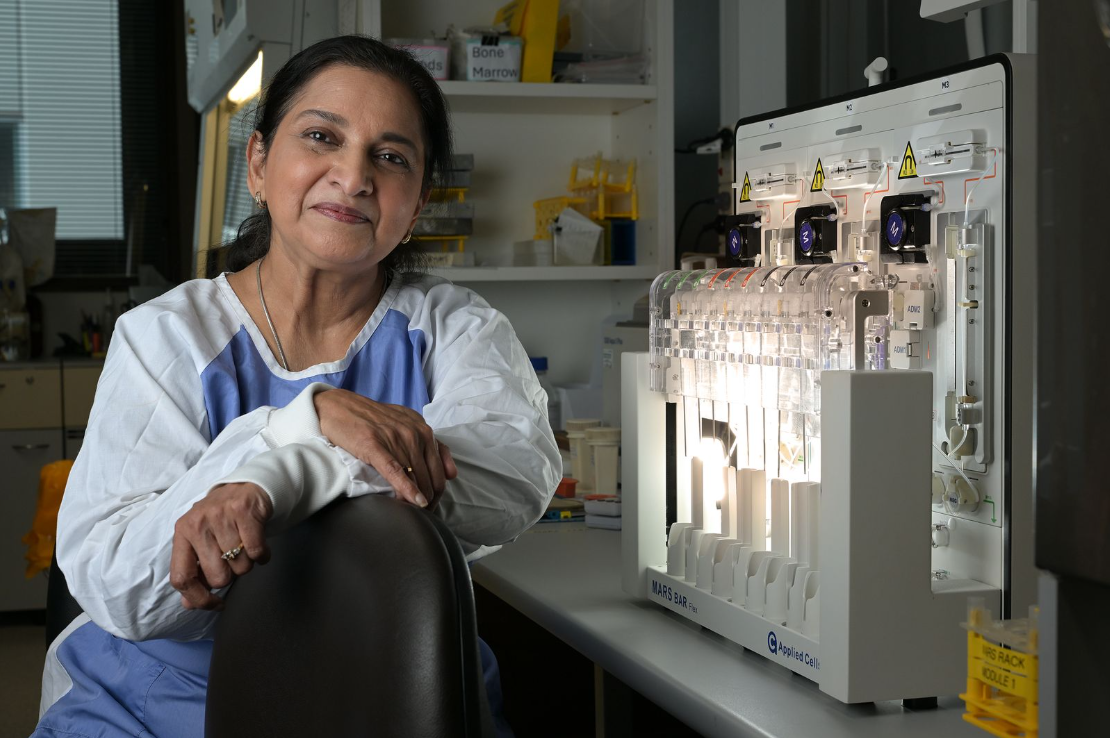
Small but mighty: The new MARS® system is a game-changer for multiple myeloma detection. Photo: Lyndon Mechielsen.
Queensland patients have been among the first in the world to benefit from groundbreaking technology that fast-tracks the identification of multiple myeloma – an incurable but treatable form of blood cancer.
The new technology system – which has already supported more than 100 local patients across the state – drastically increases accuracy of testing and more than triples the speed of diagnosis.
Multiple myeloma is a cancer of plasma cells in the bone marrow. These abnormal cells multiply, crowd out healthy cells, and produce harmful proteins that can damage organs.
- Between 2019–2023 there were 2,855 cases of multiple myeloma recorded in Queensland – or around 570 per year.
- More cases occurred in men (approximately 340 per year) than women (approximately 230 per year).
- Diagnosis is extremely rare in people aged under 40. The rate of diagnosis increases from about 10 per 100,000 people aged 50-59, to 65 per 100,000 aged over 80.
- About 90 per cent of people with multiple myeloma will survive at least one year, with approximately 70 per cent of patients surviving more than five years from diagnosis.
Pathology Queensland Genomics Principal Chief Scientist Dr Adayapalam Nandini was instrumental in bringing the Multi-physics Automated Reconfigurable Separation (MARS®) system to Queensland and said it allowed results to be detected much earlier in disease progression.
“This technology represents a major leap forward in how myeloma cells are isolated, tested and analysed,” she said.
“Patients are getting answers faster and clinicians are getting the accurate information they need to help plan treatment earlier.
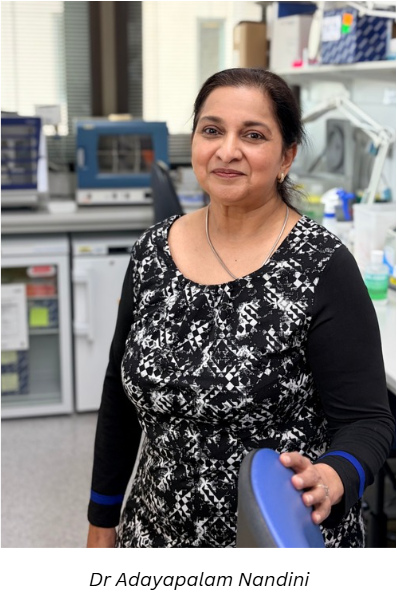
“The most phenomenal thing about this machine is that it enriches plasma cells so effectively, that even the smallest fraction of abnormal cells with genetic abnormalities can be detected.
“With previous testing methods, if a patient had a 10 per cent disease burden, we would be confident that we'd get an accurate result. Now we are down to one per cent, which is such a big difference.
“In the cases we've done to date, we have detected abnormalities in a lot more patients, which means they've been able to receive targeted therapies sooner.”
Genetic testing of multiple myeloma was previously performed through cytoplasmic immunoglobulin Fluorescence in Situ Hybridisation (cIg-FISH) testing.
This involved scientists looking at individual cells one-by-one through a microscope to look for fluorescent ‘stains’ for immunoglobulin expression that indicated they were plasma cells, before they could then analyse the FISH signal patterns in the individual identified cells.
Now, the MARS® machine passes a patient's sample through a selection process, with magnetic beads identifying myeloma cells for separation and enrichment.
This means the samples that scientists are now analysing can go from lower than 10 per cent myeloma cells in a suspension, to around 80 per cent myeloma cells after MARS® enrichment.
Faster testing and results
Pathology Queensland’s Genetic Pathologist and Genomics Discipline Director Dr Chiyan Lau said the introduction of the MARS® system followed years of logistical hurdles and procedural requirements, scientific evaluation and clinical validation.
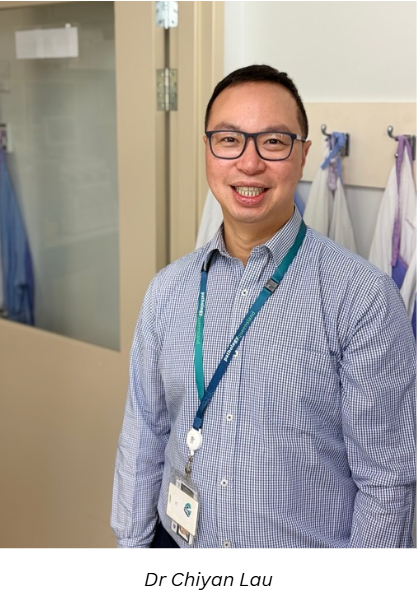 “Our previous approach relied heavily on microscopic examination – literally scanning slides for hours to find individual plasma cells stained with specific markers before we could analyse the FISH signals in the relevant cells,” Dr Lau said.
“That process was incredibly labour-intensive and could take several hours per patient sample.
“By physically enriching myeloma cells before analysis, the MARS® system removes that bottleneck.
“Now, once the cells are enriched, the slides can be digitally scanned and analysed with computer assistance, rather than relying solely on manual microscopy.”
Dr Lau said the technology also laid the foundation for further future automation and is improving efficiency within the laboratory.
“We’re not moving to a fully computerised process – skilled scientists are still essential – but this technology allows them to focus on the complex analysis that really requires their expertise, rather than the time‑consuming manual scanning,” he said.
Bridging the gap for regional, rural and remote communities
Patients living outside of metropolitan areas are also set to benefit from the new system, with samples now able to be enriched to such a remarkable degree that they can be accurately tested up to five days after sample collection.
As plasma cells don’t survive long outside the bone marrow, transport times exceeding 24 hours previously resulted in some samples being unusable.
Townsville University Hospital staff specialist Dr Joel Wight said this was a game changer for regional myeloma patients.
“Previously, many samples from regional areas simply couldn’t be tested, as by the time they travelled hundreds of kilometres to a central lab, a large proportion failed,” he said.
“Now, with improved processes and higher‑quality testing, we’re seeing almost no failures.

“Faster turnaround times mean we now receive critical prognostic information within a clinically meaningful window and often before treatment even begins, which directly shapes treatment pathways."
With treatment options for multiple myeloma including immunotherapy, chemotherapy, steroids, radiotherapy, stem cell transplant or bone marrow transplant depending on disease aggression or progression, tailoring treatment according to individual test results can markedly improve quality of life for patients.
Dr Wright said the new technology would allow doctors to identify those who may benefit from a bone marrow transplant sooner.
"Identifying high‑risk changes early may mean recommending a more aggressive approach, such as a second transplant or enrolment in a clinical trial,” Dr Wight said.
“For others – particularly older or frailer patients – it helps guide decisions about whether intensive treatment is appropriate at all.
“For example, I recently had a patient whose results came back within two weeks, revealing a high‑risk chromosomal deletion we weren’t expecting.
“That single result completely changed the treatment plan and ensured he received the most effective care for his type of myeloma.
“Having this level of insight, and having it early, is invaluable for regional patients.”
Common symptoms of multiple myeloma include:
- Bone pain and/or weakened bones (spine, skull, pelvis, ribs, shoulders, hips)
- Fatigue
- Kidney problems
- Anaemia or abnormal blood counts
- Frequent infections (e.g. pneumonia, UTIs, shingles)
MARS® technology was developed by Applied Cells (USA), and the machine was funded through a Queensland Health innovation program.