

Summary
This episode is part of the It Can’t Hurt to Ask: Parents' Group
How do you prepare your child — and yourself — for one of the biggest parenting milestones so far: starting school?
Welcome to the final episode of Parents' Group, season 4 of It Can’t Hurt to Ask by Queensland Health. This week, your hosts Steph, Alex and Caitlin talk about what it means to send your little one off to school, whether they’re ready, whether you’re ready, or whether you're still figuring that out.
We’re joined by clinical nurse, Mel, who shares what school readiness really looks like (spoiler: it’s not about counting to 100) and how to navigate everything from routines and emotional independence to your own feelings of grief, pride and identity shifts as a parent.
You’ll also hear from Chris and Hannah as they thoughtfully prepare their daughter, who has ADHD, for her first year at school, and reflect on what they’ve learned along the way.
Featured in this episode
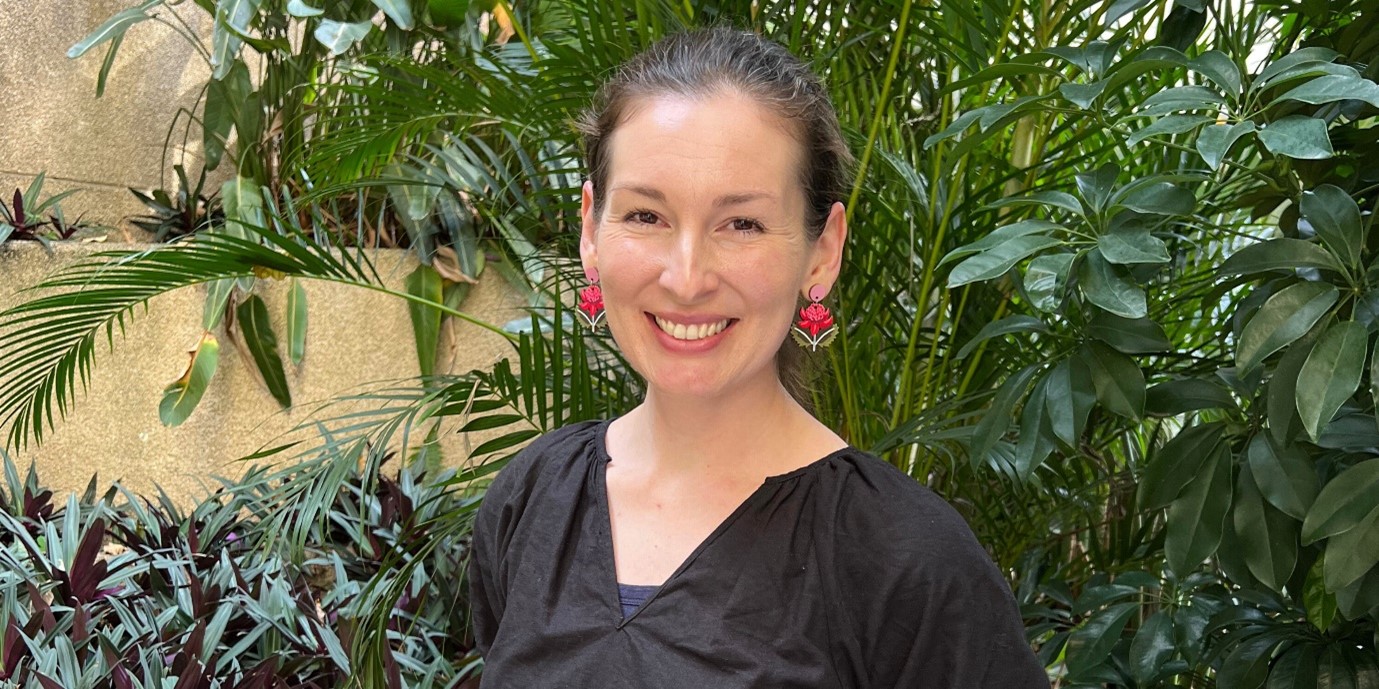
Mel
Mel is a clinical nurse specialising in child health in the Children’s Health Queensland Child Health Service. For the last 15 years, Mel has been working alongside families of children aged 0-5 years to help them get a healthy start to life.
Working in partnership with parents in their homes, in community clinics, group settings, or virtually, Mel has seen how the right information and support at the right time can positively transform parenting journeys.
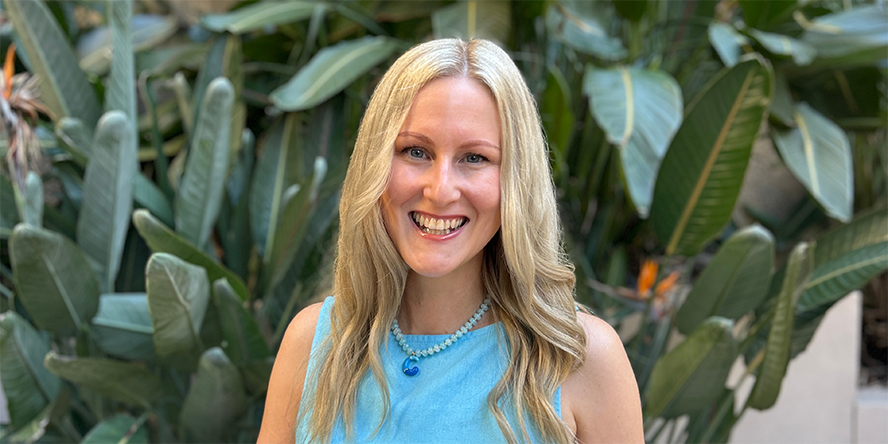
Caitlin
Caitlin is the proud mum of a busy, maths-loving and dino-obsessed 7-year-old and a sassy, creative, princess-obsessed 4-year-old. She loves the mess and magic of motherhood and manages the extra complexity of parenting a child with a disability and navigating her own physical birth injury.
In between her paid work in digital marketing, school and kindy drop offs, playdates, and kids' sports, therapy and extracurricular activities, Caitlin relishes the moments she gets to herself and the simple joys of a hot shower (bliss!), warm cuppa and chatting with her besties on the drive home from work.
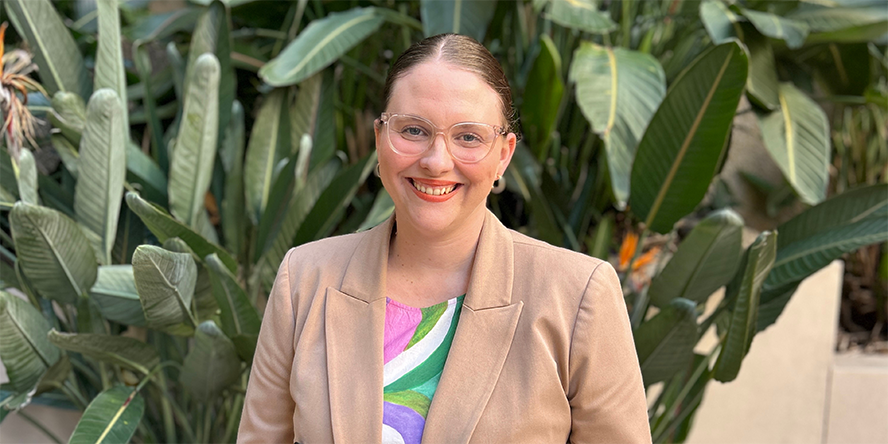
Steph
Steph is a non-birthing mum of two kids — a 6-month-old and a 3-year-old. Her wife carried both of their babies and is currently a stay-at-home mum while Steph works full-time in communications.
As a mum of 2 little ones, Steph doesn’t have time or energy for hobbies, but when she does get the chance, she enjoys sitting down for more than 5 minutes and eating a meal when it is still hot.

Alex
Alex has spent more time raising kids than being one. He is a dad to an 18- and 17-year-old from his first marriage, and a 4-year-old from his second.
Between working in creative media and being a parent, he also enjoys playing guitar, cooking and martial arts (but only between 10pm and 12am when everyone is asleep). He lives with his 3 kids, wife and mum, leaning into the richness and chaos of intergenerational living.
Note
The stories and conversations shared by the hosts in this podcast reflect their personal views, experiences, and opinions. They are shared for informational and educational purposes only and are not intended as a substitute for professional medical advice, diagnosis, or treatment.
Queensland Health does not guarantee the accuracy or completeness of the views expressed by guests and accepts no responsibility for any loss or damage that may result from relying on this content.
If you have questions about your health or treatment, please speak with a qualified healthcare professional.
Episode resources
If you or someone you know is struggling with their mental wellbeing, support is available.
In an emergency always call Triple Zero (000).
The following services can provide help and counselling to you in non-emergency situations.
13HEALTH: call 13 43 25 84 and talk to a registered nurse 24 hours a day, 7 days a week.
Pregnancy, Birth and Baby Helpline: call 1800 822 436 to speak with a trained counsellor about the first year of your child’s life.
Parentline: call 1300 301 300 for advice and counselling about any issue that affects you as a parent. Available from 6am to midnight AEST, 7 days a week.
Perinatal Anxiety and Depression Australia (PANDA): contact PANDA on 1300 726 306 or chat online if you or your partner are feeling depressed, or you are struggling after the birth of your child.
Available from Monday to Friday, 9am–7pm.
MensLine Australia: call 1300 789 978 if you’re a man and have family or relationship concerns. Available 24 hours a day.
Lifeline: call 13 11 14 (24 hours a day) if you are experiencing a personal crisis or chat to a counsellor online.
Beyond Blue: call 1300 22 4636 for broad mental wellbeing support or speak to a counsellor online.
Connecting2u: sign up for free text messages, support, info and tips for during pregnancy and after you have your baby.
ForWhen: call 1300 24 23 22. Available Monday – Friday 9.00am–4.30pm.
SMS4DADS: sign up for free text messages, support, info and tips – for dads and dads-to-be.
Raising Children Network: offers ad-free parenting videos, articles and apps backed by Australian experts.
Triple P – Positive Parenting Program: free parenting courses for parents and carers of children under 12.
Queensland Health Child Health Clinics: Child health services have clinics across the state to provide parenting information and support for families in Queensland. Free services may include nutrition, child growth and development assessments. You need to book an appointment for these services.
Disclaimer
The stories and conversations shared by the hosts in this podcast reflect their personal views, experiences, and opinions. They are shared for informational and educational purposes only and are not intended as a substitute for professional medical advice, diagnosis, or treatment.
Queensland Health does not guarantee the accuracy or completeness of the views expressed by guests and accepts no responsibility for any loss or damage that may result from relying on this content.
If you have questions about your health or treatment, please speak with a qualified healthcare professional.
Transcript
Steph
Hi everyone and welcome to the final episode of Parents’ Group in the It Can't Hurt to Ask Podcast, brought to you by Queensland Health. I'm Steph.
Alex
I'm Alex.
Caitlin
And I'm Caitlin. And today we are talking about a huge milestone: starting school. A quick note, children start prep at different ages depending on their individual development needs and family decisions.
While this episode focuses on parenting a child in the 4 to 5-year-old range, we are really talking about that transition from kindy to prep, no matter how old your child is when they make that leap.
Steph
This is a big adjustment for our kids and for us.
There's excitement, nerves, pressure, and maybe just a little grief as our little ones take their first big steps into independence.
Alex
I remember the first day of prep with my oldest kid and at the point we were about to walk out the door and suddenly his heart broke. The tears welled up and these huge blue eyes just looked up at us like, ‘What are you doing?’
It really hit me.
Caitlin
Oh, how were you after that?
Alex
Let's just take a moment. Sorry.
Caitlin: Yeah.
Alex
Yeah, it was hard. You walk out, you dunno if you're doing the right thing.
Steph
Yeah.
Alex
Mm.
Steph
It is hard. You have so many of those moments along the way too, of like, am I doing the right thing?
Alex
Mm. Yeah, that's a big one where you're really like, I can just walk back in there and scoop them up, they're my kid.
Steph
Ah. All right. I think this episode's gonna be full of a lot of emotions maybe for all of us.
Caitlin
I feel it.
Steph
We'll see. I'm scared.
Caitlin
Buckle in, guys.
Steph
Yeah. Before we dive in for the last time, how have your weeks been? I'll start with you, Alex.
Alex
Yeah, well, talking about my oldest; he just turned 18. Talk about parenting milestones and child milestones.
So yeah, that first day of prep still feels like it was just last year. In some ways, I can still feel it, see it, hear it. Like the whole thing, the experience. But look, we had a great week. On his birthday, I took the day off work. We just hung out together for the day. We went bike riding and he decided to give blood because he could at 18.
And I just thought –
Yeah, you have to be 18.
Steph
Oh, I didn't know, that there you go.
Alex
And he said, do you wanna come with me? So both of us became first time blood donors on his 18th birthday, and that's really a good memory that will stick with me forever. And I just thought, you know, if he's making decisions like that at 18, they're very different – mum, turn your ears off now – very different from the decisions I was making at 18.
Caitlin
Yeah. You've done a good job, Alex.
Alex
Well, I hope so. I think he's done a great job too. Mm, yeah. How about you, Caitlin?
Caitlin
Oh, I'm a little bit tired this week. We've had, yeah, a really big week. Not a lot of sleep. My husband’s working nights, it's been a lot, but I did have a really good day on Friday last week. My daughter was participating in the school sports carnival and her kindy borders on my son's school. So that was so cool. It was, you know, my daughter got to run a race and she had a ribbon and mummy got dragged along to run a race as well, not consensually unfortunately, but you know, you do what you gotta do often, isn't it.
And then my son, he's in grade one, so this was kind of the first real sports day. It wasn't like the watered down prep version. And he ran a race, he did high jump, long jump, all these different activities. He didn't place in any of the events, but he was so proud of his friends who did.
So he'd come up and say, ‘Oh mummy, did you see? Such and such got first, he's got a ribbon.’ I'm like, ‘Mate, that's so cool!’
Yeah. That's so exciting. And it was really cool to see, you know, the cogs turning in his head of being excited for other peoples’ successes.
Alex
That's lovely. Yeah.
Caitlin
It was a great day. I love school events like that. You get to see all, all the parents and all the kids and cheer on your kid and, and all their mates as well.
And it just has that really nice feeling. So, despite the tiredness, pretty good week.
Steph
Yeah, that sounds really cool. I feel you on the tiredness. Our 3-year-old had a danger nap at 5:30 last night.
Caitlin
Oh, that is the late one.
Alex
Ouch.
Steph
It was bad time. I mean, she actually kept sleeping, which was weird. But you know, obviously woke up a few times through the night with all kinds of crazy demands.
But anyways, I'm feeling it today. So, solidarity to you with the tiredness.
Caitlin
We can all yawn as we go.
Steph
Yeah, yeah. Oh, don't say yawn. You'll make me need to.
But yeah, speaking of sort of seeing those cogs turning, I definitely have noticed, sort of a big jump in her, like emotional intelligence lately.
The other day I was, I was quite upset about something, and I started crying and she sort of just ran over to me. She said, ‘Mummy!’ and she got me a tissue and she said, ‘Oh mummy, it's okay.’ She gave me the tissue and she was patting me on the back.
And she said, ‘It's okay.’ Like, ‘It's all right. I'm here’, blah, blah, blah. And saying all those things that we say to her when she's upset and it was just like, oh my god. It was this moment of being like, things are starting to click for you and you are starting to see things outside of yourself and starting to also like apply those things.
And it was just such a nice moment to be like, oh wow, that's… How cool. Like I was like, this could have gone the other way. But no, it was nice to see her saying those things back to me and I was like, that is comforting.
I'm good at comforting you and you're good at comforting me. That's so lovely. So yeah, it was a nice moment.
Caitlin
Your hard work's paying off.
Steph
Yeah. Yeah, yeah, yeah. Absolutely.
Alex
Before we begin, we want to acknowledge the Traditional Custodians of the land on which we're recording. For us, we're in Meanjin. That's the land of the Yuggera and Turrbal people, and we pay our respects to Elders, past and present, and we extend that respect to all Aboriginal and Torres Strait Islander parents, carers, and listeners.
Steph
We are joined today by Mel, a clinical nurse specialising in child health. Mel, thank you so much for being here. What does your typical day on the job look like?
Mel
Yeah. Thanks Steph.
Thanks so much for having me here today. Working as a child health nurse, my typical day might be based in one of our clinics out on the road, visiting families in their homes, facilitating groups or parenting programs, or supporting families in our day stay program. I work with families who have children from birth to 5 years to support them with their child's growth, development and parenting.
So, that might involve supporting them with feeding and nutrition, doing a growth and development check, providing support through the adjustment to parenting, giving health advice around a range of topics like sleep, immunisation, behaviour and toilet training, or linking them with some other great supports in the community.
Steph
I was just going to say that's a lot. That's a lot. You cover off a lot as a child health nurse, and I know I went to see one, I took, our daughter when she was 4 months old and just to do that growth check, I think it was. And, I was just so impressed by how thorough it was. And it was very reassuring as a first time parent to be like, oh, is everything okay? Are they the right size? Are we doing the right thing? You just don't know. So, yeah, that was really important.
Mel
Yeah. So many parents just come and ask us those questions about, is this normal?
Is this okay? And just sometimes normalising, you know, typical infant behavior and development can really help boost our confidence as parents and help us through that adjustment.
Steph
Yeah, absolutely. So, Mel, can we dive into some of the practical things now? So, we know that school readiness looks different for every child, and not all kids start at the same age.
What are some of the things that parents can do to support their child's transition to school wherever they're at developmentally?
Mel
Yeah, that's so true. The transition can be different for every child and every family. And for however parents are feeling about the change, kids really benefit from us framing the transition in a positive way.
So, showing them that you're excited about the new opportunities and the new friends they'll have at school. Giving them a real sense of your delight in seeing them grow up.
One of the practical things you might start thinking about is setting up some family routines. Every family's unique, so every family will find the things that work for them.
But routines are so helpful because they support kids to feel safe and less anxious during transition times, especially the transition to big school.
Consistency helps kids know what's happening, when, what's expected of them, and it helps them to know that their parents will be a secure and consistent base for them while a lot of things change around them.
But, you know, routines are also great for us as caregivers, too, because life with school-aged children can feel busy at times, and routines can help parents feel more organised and in control, which can reduce their own stress and anxiety as well.
So, parents might start by helping their child go to bed at the same time each night and get up at the same time each morning, so everyone will have enough time to get to school.
And if that means changing bedtime, it's good to start doing that in the year before school to give everyone enough time to adjust to the change.
Some families might choose to pack lunch together the night before or after breakfast, and it's great to support kids to be part of getting ready for school themselves.
So, you might print a list with pictures of what to pack in their school bag each day, and then help them pack their bag at the same time each morning. You might start a habit of putting kindy clothes out the night before and encourage them to dress themselves, just like you said, Alex, as much as they can, so getting dressed in their school uniform is easier to transition to.
Caitlin
I feel like this is such a great time to talk about pressure. For me, the pressure really comes internally, you know, get my kid ready for school and do all the things. Tick off all the lists, you know, of the Instagram posts that people are saying of what you need to do for school readiness.
But then my experience was I was exposed to it from external sources as well. My friends and other parents, and that sense that you have to be a hundred percent ready, that there's this checklist and it can really ramp up in a school environment, I think, because there is that sense that you have to have your kid ready for this thing.
And you see kids, they might be writing their names. You hear parents talking about, oh, my son already counts to a hundred. And you you're thinking, ‘Oh my God, should my kid be doing this too?’ And so I feel like that pressure is really important to talk about.
And I wanted to see, Alex, what your experience was like with this, school pressure or even pressure as a parent and, and the comparison thing and, and what your experience was with that.
Alex
Yeah, thanks, Caitlin. It's really interesting you ask because, you know, throughout the podcast I've been hearing these things around pressure and comparison and all that, and I, I have to say, I'm drawing a bit of a blank.
Like, I think for my experience, I can't speak for all dads, but I certainly know a few friends of mine as wel. It's just not something that's really on our radar. We don't really have that pressure for the child to be at a certain point to be doing certain things, if someone else is already. It's not, certainly not coming internally and if it is coming externally, we probably don't even hear it half the time.
Caitlin
Oh my God.
Alex
I don't know if that's the right thing to say or the wrong thing to say, but I think it's just a very true thing to say. I just figure we all get there eventually, and don't stress the small stuff, kind of don't sweat it, you know?
Caitlin
Mm-hmm.
Alex
Everyone's going to evolve at their own rate, and I think, I don't want that pressure on myself.
Caitlin
Mm-hmm.
Alex
I don't want that comparison with other people, for myself, I just want run my own race and I kind of want to give that to my kids as well, if that makes sense.
Caitlin
So refreshing. What about you, Steph?
Steph
Yeah, I find this conversation really interesting, 'cause I feel like I have a foot in both worlds, in a way, as a woman, but also someone that's not the primary caregiver, that's not, physically given birth and is the, typical breadwinner, went back to work straight away kind of thing.
I struggle sometimes with comparing, our toddler and if we'll be out somewhere and she has, you know, a massive tantrum or something and I feel like, ‘Oh, everyone's looking at me, she's the only kid that's ever done this. Why are all the other kids here, and they look fine and why is she going off?’
And I feel really down on myself like we're doing something wrong. I'll ask my wife and say, ‘How does she compare to other kids?’ Because you know, you're going to playgroups and things with kids all the time that are the same age as her and you're talking to other parents as well, whereas I don't really have that that constant connection with parents. I have friends that have kids, but it's not really the same as, you know, kids exactly the same age, attending the same thing at the same time. And, and she's like, ‘Oh no, she's fine. Like all the other kids are doing the same thing and at this age it's really normal.’
So, I get that stress of feeling like comparison, but also that I have that knowledge gap, I guess, of being like, well, I don't know what's normal.
I don't have that litmus test to say – well, “normal's” a loaded word, too – but what should my expectations be? I don't know.
We compare all these things, but really if you zoom out –
Alex
Yeah.
Steph
– it's gonna be okay and, like, we all are okay. It's fine.
Alex
I think the zooming out is kind of what I was getting at. Yeah, that's a good way of putting it, is just you take that much bigger picture perspective and go, it's not all about what happens today or in the next month. It's about the long game, right?
So putting that pressure and the comparison aside, I guess we're really talking about getting kids ready. And how do we recognise what ready looks like in this context?
Mel
Yeah, that's right. And it is something that parents come to talk to the child health nurse about wondering, you know, is my child doing the right thing at the right age or, or just come sometimes, like you mentioned Steph, that knowledge gap about what is normal at each age and just getting some information can sometimes be very reassuring for you.
I guess what we say is, you know, the reality is there's a a wide range of typical development. It's great to get to know your child's strengths and to foster them while also being mindful of ways that you can support their development in other ways.
So, like in terms of reading, your child doesn't need to be able to read to start prep, but you can definitely be getting them ready to learn to read by talking together often during the day, having conversations together. Things like pointing out letters and words on signs, singing the alphabet together, giving your child the kind of early literacy skills just to see how language works.
You might give them an introduction to numbers by counting how many flowers you can see on the page of a book you're reading or counting how many lizards you see while you're out for a walk or singing a rhyme with numbers in it, like Five Little Ducks.
You can help your child by talking about their feelings, how their friends might be feeling, and doing things like playing games that involve taking turns or drawing a big picture together, using the same packet of crayons to practise sharing at home with you as well.
Caitlin
That's such good advice, Mel. I love how all your suggestions, too, are playful.
They're all things that kids can learn while enjoying themselves, they're not, having to sit still or pay attention or do anything too tricky at this age.
I had a thought, too, when we were talking about that comparison and pressure if you are a parent of a child with a disability, like I am that pressure can feel, and the comparison can feel, really, really hard because your kid might not be doing the things their peers are doing, and it's not necessarily they'll catch up, they might not catch up. And coming to terms with that can be really hard.
And there might be some parents listening that are facing that decision of, ‘Do I start my kid at school next year or do I delay a year?’
And that decision can be, influenced by a whole range of factors. It may not be that your child has a disability, they might just need more time. So, I personally found this decision quite hard and ultimately made the decision to do 2 years of kindy and it was the best decision.
And I wanted to see if you'd have any advice or what words you would like to share if parents are sort of facing that decision at the moment that are listening in.
Mel
Yeah, it's a really common question at this stage. Every child is so different and I'd really encourage parents to remember that they will know their child best as well.
Like you mentioned for your son with a diagnosis, you had an understanding of where he was up to with that and maybe there was people around you supporting you through that diagnosis process that you could talk to, as well.
And I guess that's what I'd like to encourage parents with is, that they don't have to make the decision alone. You can reach out to people around you for support and information to help guide your decision.
One of those people might be your child health nurse. It's a good place to start. We do a 4-to-5-year check that involves a developmental screen and a vision and hearing check, and you can raise any questions with them like, ‘Why doesn't my child talk like other kids their age?’
I'd also really encourage parents to reach out to their child's kindy teacher, because halfway through the kindy year, the teacher will have a good idea about how your child is interacting with other kids, how confident they are managing some things independently, how your child's paying attention and following instructions, and some of this information might help guide your decision too.
Steph
That's so cool. I didn't know that there was that 4-to-5-year check. We will be coming to see you.
Mel
Yeah, it's great. It's –
Steph
You'll be seeing me and my child soon.
Mel
Excellent. We look forward to it. Yeah. Yeah. If you look at your child's Red Book, their personal health record –
Steph
Yeah.
Mel
– it's the last of the checks of the regular checkups and in the health check section.
So, we look at their vision and their hearing and we go through a developmental screen with you and it's just a nice chance to be able to talk about any concerns you're having before they start school.
Steph
Yeah, that's that's great. That's so cool.
Alex
We spoke with Chris and Hannah, who are preparing their daughter for school next year. She has ADHD, and they've been really thoughtful in how they're preparing both her and themselves, so let's take a listen to their story.
Hannah: The transition to prep has been, you know, been pretty, pretty good. The hardest part so far has been finding a school that we are in catchment for essentially. I'm feeling nervous.
Chris: Oh, I'm probably sad, but you get that.
Hannah: Yeah. Probably nervous, just purely because I don't know, she's –
Chris: She's more than capable. She's just, yeah. Yeah. She's her own little pocket rocket, so to speak.
Hannah: Firecracker. So in September last year, we noticed she had quite a bad stutter. So we sourced a speech pathologist to help her with that, obviously in preparation for school.
We had some minor concerns, like surrounding possibility of ADHD, so we sourced the paediatrician through our doctor. We went there, went through a whole heap of questions and things like that with him. Got the diagnosis of ADHD and then sourced an occupational therapist through our speech pathologist.
Like we focus on routine and giving her like set times. So, we go right in 5 minutes, we're gonna go brush our teeth, and then we're gonna go to bed.
Or, hey you've got 10 minutes until it's dinner time. So you need to go wash your hands and start getting ready for dinner.
Steph
Wow. Chris and Hannah sound like they're doing a really good job preparing their little girl for school and I think that will make such a difference to her experience.
As parents now, we have so much more information at our fingertips and I think that's just gonna make such a big difference to how these kids are supported and how, you know, well, they do at school and all those kinds of things that will be important for the children's wellbeing.
But what about the parents' mental wellbeing? Like, that's a lot to consider and a lot to take on for them as well, and how can we be bolstering up our kids while also supporting ourselves?
Mel
Mm-hmm. They have done a great job, haven't they? I would just, I'd love to hear, the things that they'd noticed about their daughter and just reinforcing that message of parents really do know their children best and they'd done such a good job to reach out for support.
It was good and hard to hear that they felt nervous and sad about their transition, but these can be normal feelings that parents feel through the transition to school.
I'd just really encourage them to be talking about that together as a couple, they'll be a good support for each other. To be talking to the people around them, working with the school. If there's particular things that they're nervous about, they can be talking to the school about those things.
And sometimes parents might find it helpful to reach out to someone, like a counselor or a psychologist. Yeah, just to maybe debrief some of those feelings and get some extra tips or skills in managing those things through the transition as well.
Alex
So, I think it's time to talk about something that doesn't always get said out loud when we're talking about the transition to school in our kids, but it's the identity shift that happens for us as parents around this age as well.
We've explored it a bit on this podcast already, especially in this episode, around that feeling of nervousness, maybe that, maybe loss of control a little bit.
The sadness that, the amount of time they're going to be spending away and apart from you as a parent. Mm-hmm. It's also mixed in with a little bit of relief, I found, as a parent. Like there is a sense of like, okay, I'm handing over this to someone else.
The major thing I think I keep coming back to when I remember this phase and now that we're kind of about to head into it for the third time, is it really is a lot about trust.
So, it's about trust that you've really given your kids the tools that they need to deal with this. It's about trust in that environment you're putting them into, and it's about trusting yourself as well, that you've made the right decisions and that you will keep making those right decisions.
Steph
Mm. Yeah. It sounds like a bit of a cliché, but what you're saying, it sounds to me like, you're watching them spread their wings almost.
Yeah. Like fly the coop a little bit, for the first time, which, that sounds absolutely horrible to me. But… I'm not ready! I'm not ready. Can you tell?
I've still got a couple more years, but, I just, when you're saying, they go 5 days a week. What the hell do you do with yourself?
Like, I can imagine parenting... Is that next stage a different level? How do you deal with that when you're not needed in the same way and how do you, you know, how do you move into that next stage of parenting?
Mel
Mm. Yeah. It's such a big transition for parents too, isn't it?
Some parents say it's even like adjusting to parenthood again, like becoming a school parent can present a whole new set of roles and responsibilities and things to learn, but I think one of the most helpful things is to focus on the positives of the change.
We often tell new parents, “It takes a village to raise a child”, but that can be overwhelming for some parents if we don't feel like there are many people in our lives who we can reach out to for help and support to be our village.
So, I think parents can see the transition to school as a lovely way to build your village.
School is a great opportunity to connect with parents of kids the same age, to be making new friendships yourself, even while your child makes new friends.
You might like to use a little bit of time to invest in your school community, because volunteering in the classroom or the wider school, it's a great way for your child to see you connecting with the school in a positive way, which will help them to feel less anxious and more connected with their new environment.
You might be able to reconnect with something you are passionate about before you had kids. Or it might enable you to take some time for things like exercise or just some quiet time to fill up your cup to sustain you in your parenting role and the many other roles that you might have as well.
Caitlin
And it's really not selfish to do that. I love that you've suggested to take some time for yourself. It's really important and I think, throughout this whole podcast, we keep coming back to how you can be a better parent if you are looking after yourself and not pouring from an empty cup. And I feel like it's great to model those healthy boundaries, as well, and that balance to your kids.
To be very honest, I struggled a bit with that period before my son started school. I relate so much to Hannah and she nailed it with saying, how nervous she was. I feel like nervousness was probably my biggest feeling. I encountered fear really?
When you have a kid with a disability, sending them off to school is scary, maybe scarier than most, I don't know. This is my first school experience that I had.
You know, it's hard to say without being upset, but I just wanted the world to be kind to him.
Steph
Aw.
Caitlin
There's that sense of that letting go, Alex, that you were talking about. And, you know, he's 5 days a week in an environment that I just have to trust is going to look after him.
I firstly wanted him to be able to access education, for him to be able to be in a classroom and attend to learning and actually be part of the school environment. And then, the other part of it was, you know, is he gonna make a friend?
Mm. Yeah. I think that's really scary as a parent, you just want your kid to have one mate. Term one was really, really tough. He found it really tough. His teacher found it tough, and we found it tough.
We were over the school holidays able to get him some better support. And once term 2 really rolled around his world totally changed. You know, he was able to sit in the classroom, he was able to learn. He didn't need as much accommodations. He's made all these friends, and at the end of the year he got an academic award.
I really, really just wanted the basics for him and he has far surpassed any dream I could have for him. He fits in and he gets on with it all and he gives it all his best go and, you know, he's kind to his mates.
I think you're always proud of your kid, but when it's really bloody hard for your kid to do well and he still does it, he gives everything a go and, you know, he's done more I think, than he could have even expected.
But I think anyone who might've been in that same situation as me, you know, it can happen. That dream can come true and your kid can enjoy the school experience and belong and get so much out of it.
There's such an incredible feeling you see when your kid’s made their own friends. Your kid’s found their own passions. And school really gives that to them. It's really, really special.
Mel
That's so lovely to hear Caitlin and such a great perspective that even though there's a change in how present we are in their day-to-day lives. We can still be a great support in celebrating their win, helping them get support and still being that secure base for them to come back in.
It's so great to hear.
Steph
Good on you.
Alex
Yeah. I think, like we spoke with, Hannah and Chris earlier about the groundwork that they'd laid for their child to just to be set up for the best she can be, and it sounds like you've done the same thing for your son.
And Mel, I really like what you said earlier about helping out at school as well. I'm not the greatest person at getting involved, but I did go and help out at my son's school early on in his language class. And it was just a way, for me to, I guess get a bit of a view on who the other kids in the class were, how the lessons were structured. And just to see him in that environment.
And I know he appreciated that as well. He was really like proud to see his dad come along and help out, which I was very surprised by. I thought at this age that it might be a bit of, ‘Oh no, dad's here.’ But he really, really liked it.
So, I think yeah, at this early stage, don't feel afraid to get involved. It can only be of benefit to everybody.
Mel
Yeah. It can really help them, to see you connecting with their teacher. And that's whether they're at daycare or kindy or school, you are their secure base and they're kind of looking to build attachment with those people, caring for them in the other environments.
And if they can see. You being warm, having good interactions with them, they'll learn to feel safe with those people as well. So, you can really support that through that kind of help that you did. That's fantastic.
Steph
Yeah. That's so funny. I have such strong memories of being a kid and my dad worked a lot.
He worked really long hours, but he did come and help out with swimming at school and like, I still remember it so clearly and like he's a really quiet dude, but he's actually like really funny, too. And like he would do this trick where he would get the towel and he'd wrap it around his leg and everyone would have their little like crown kind of thing that he would make.
And everyone's like, ‘Oh, your dad's so cool.’ And I was like, ‘Yeah, he's cool!’ And like it, it's funny, like it was such a small thing, like he probably doesn't even think about it or remember it. It was just such a small thing but it's those things that stick with you. And it's, I think it's just that showing up.
Steph
Mel, thank you so much for joining us today. Before we wrap up, do you have 3 tips you'd like to leave parents with who are sending the young ones off to school? AKA me?
Mel
Well, it's been so much fun being here. Yeah, look, 3 things I'd encourage parents with.
First one is reach out for help if you're wondering about when your child should start school. Your child health nurse can help answer questions you have about your child's development and link you with more support if you need it.
Number 2, I'd start thinking about what kind of routines will work for you and your family when your child starts school. And encourage your child's independence as much as you can in those routines.
And number 3, focus on the positives of the transition to school. It's a big change, but being part of a school community can be a great support for both you and your child.
Alex
Yeah, they're all really great tips. My big takeaway today, Mel, was just leaning on healthcare as a support, not just for when something goes wrong, but even when things are going right and you just need to find your way a little bit.
So yeah, so reach out to child health nurses and other healthcare professionals as you see fit.
I just want to give a big thank you as well to Chris and Hannah for sharing so honestly about their journey, getting their little one ready for school.
And to everyone who's listened to this season, thank you. We hope you felt supported, seen, and maybe even a little less alone on this crazy journey we've all embarked on.
Caitlin
Yeah, I certainly have felt that way.
Steph: Yes.
Caitlin: This might be the last episode of the season, but our stories and our parenting continues. Be kind to yourself and remember, if no one told you today, you are doing a good job.
Alex
Bye.