

Right to an interpreter
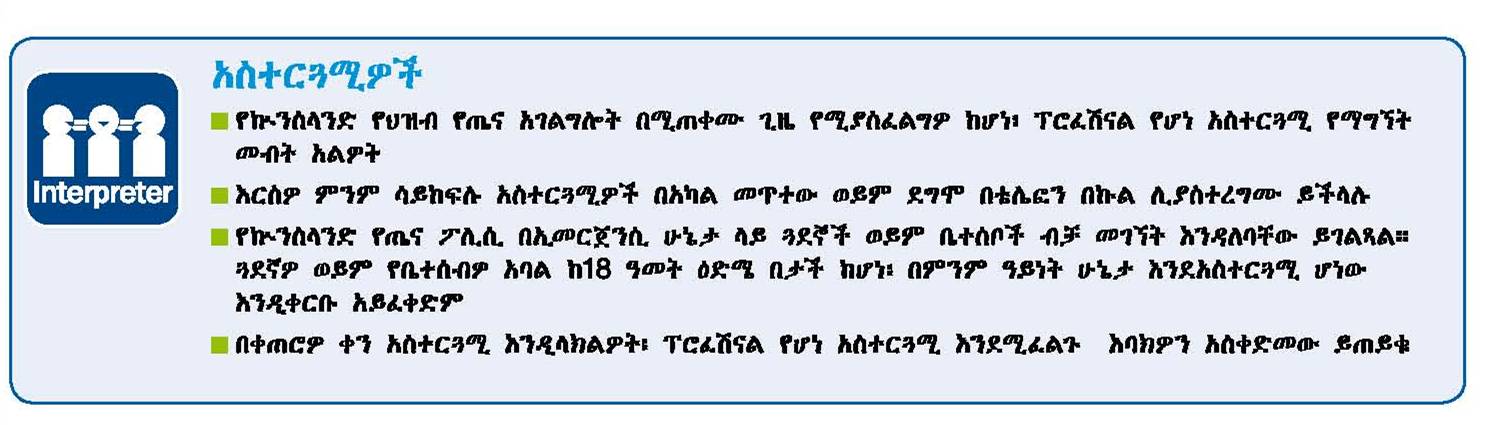
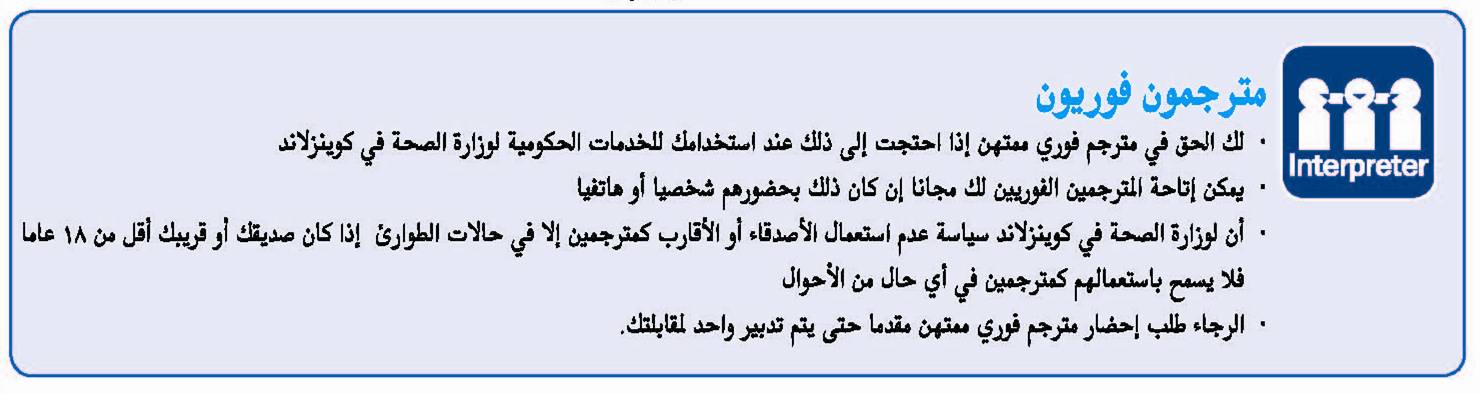
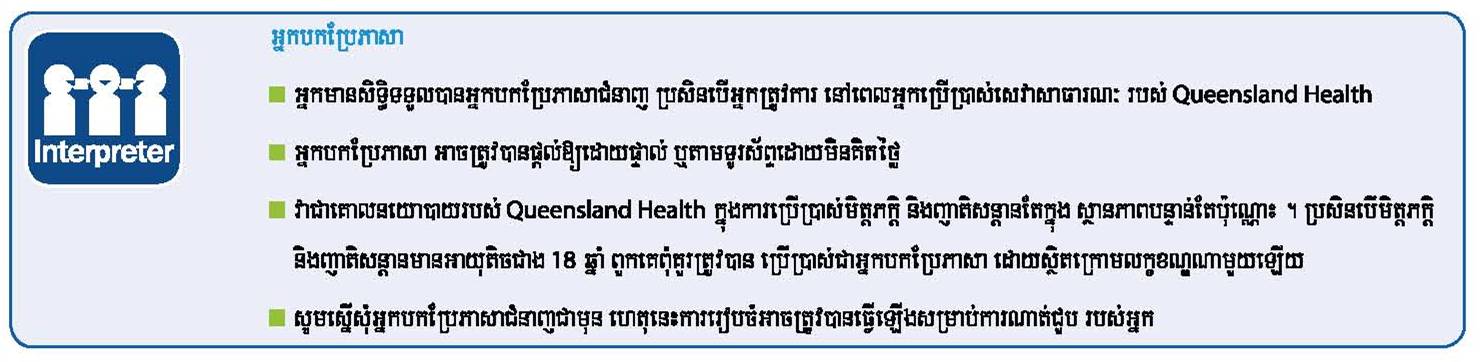
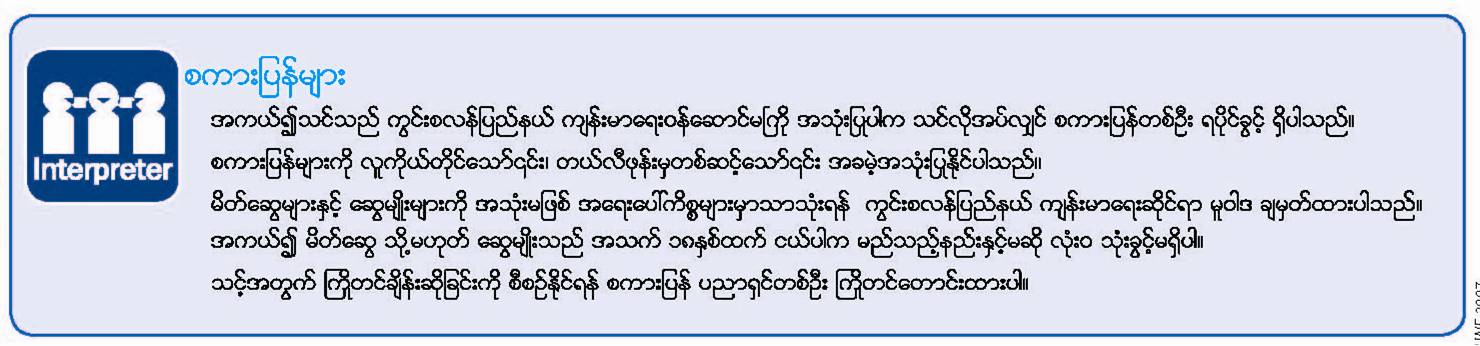
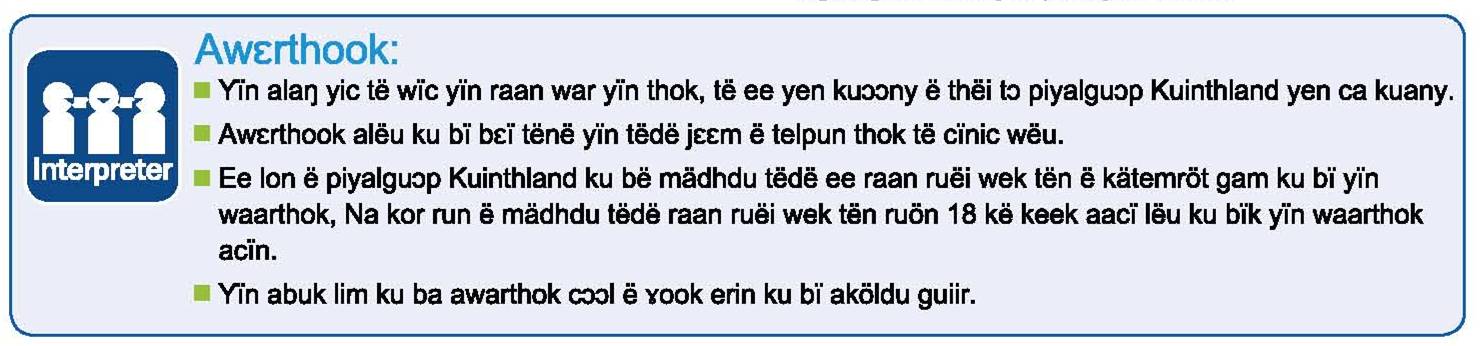
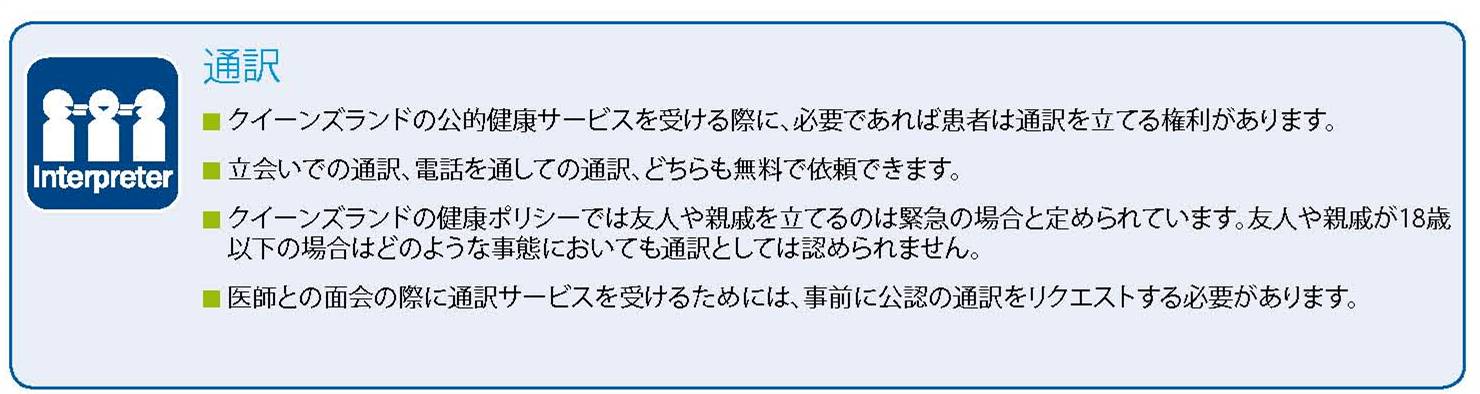
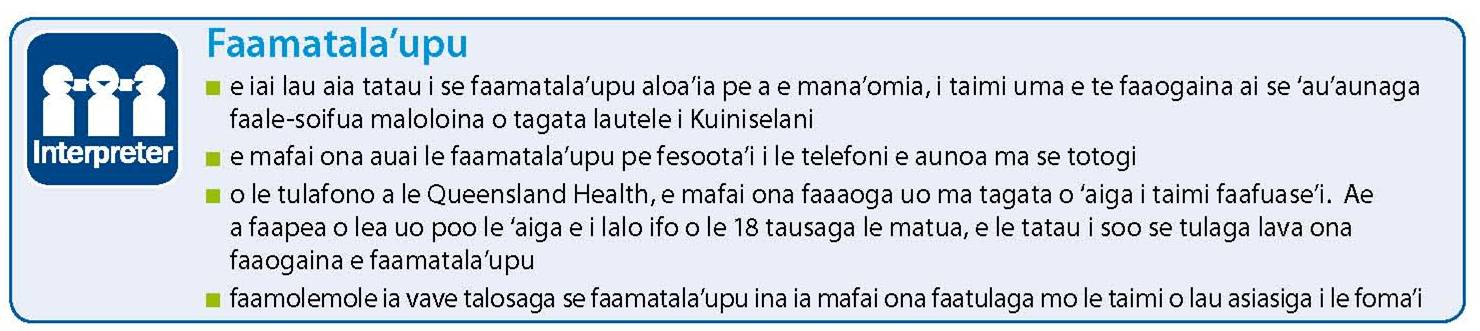
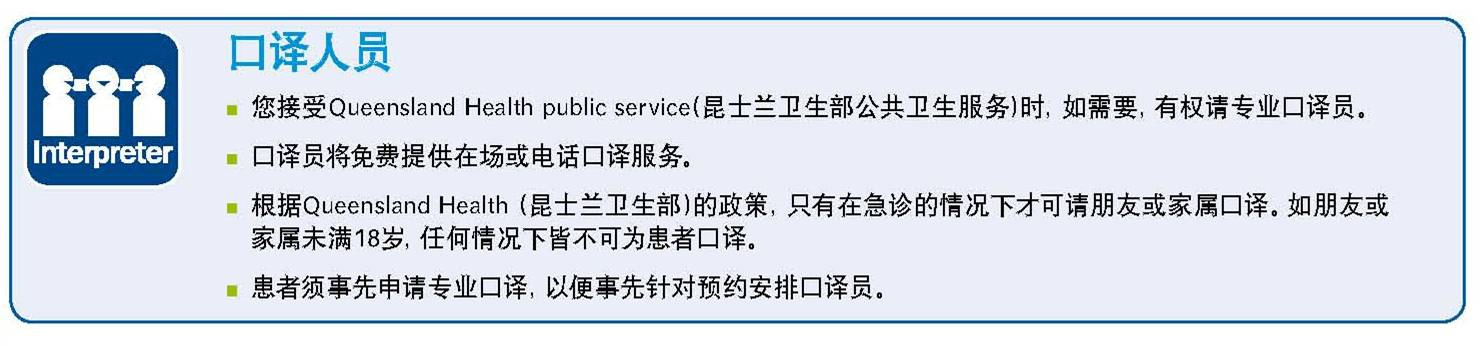
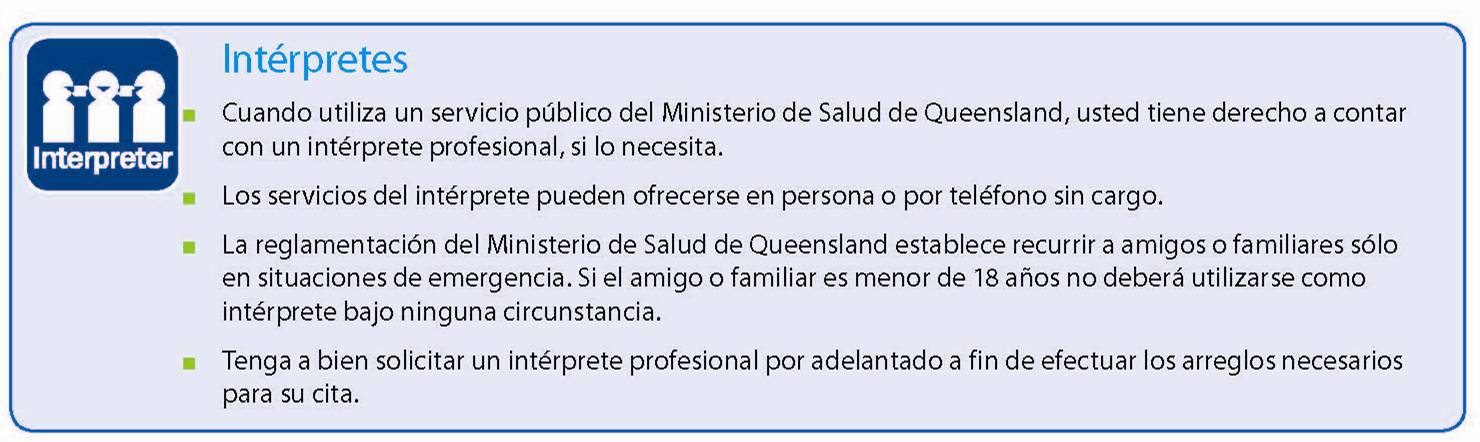
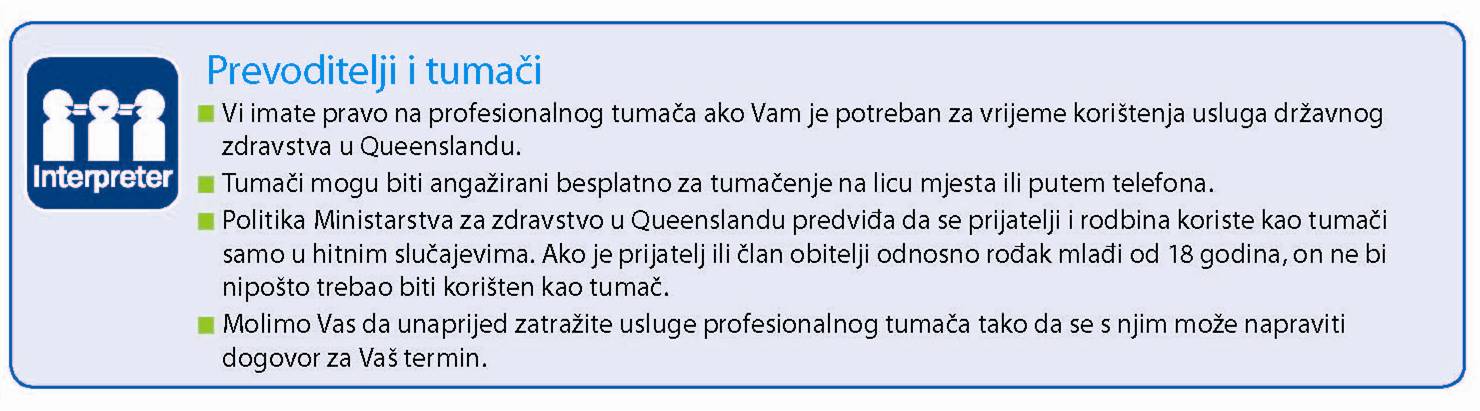
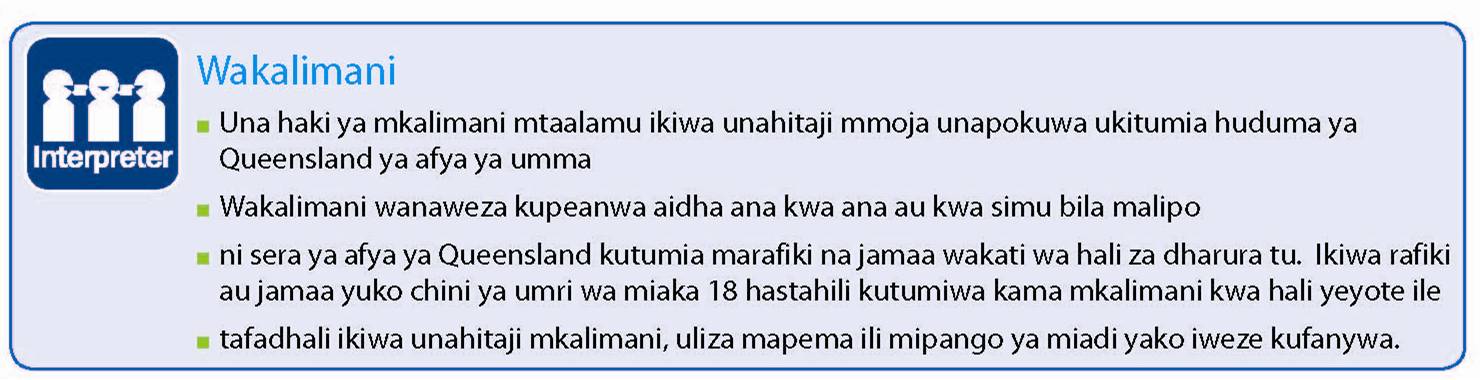
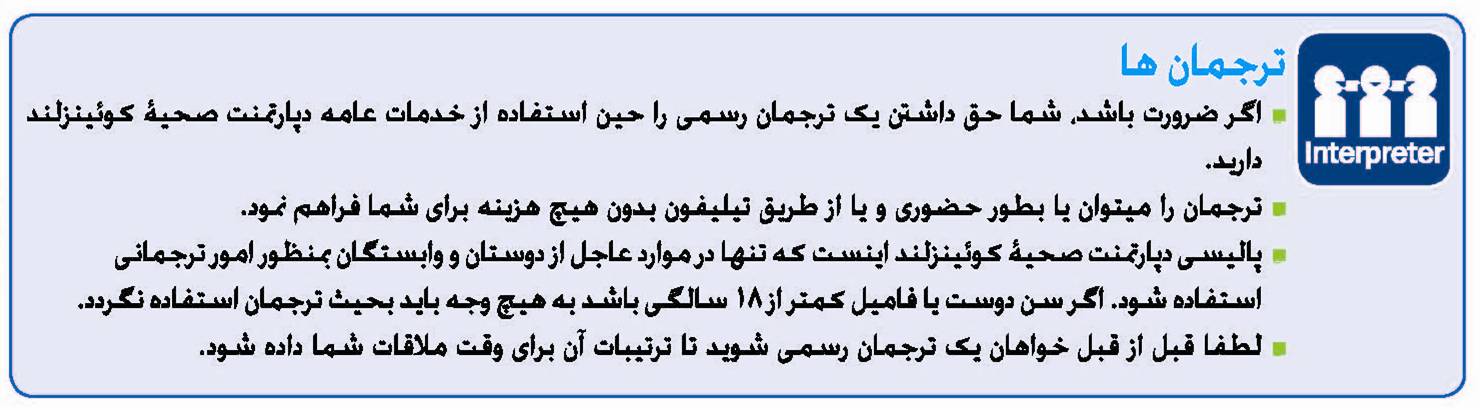
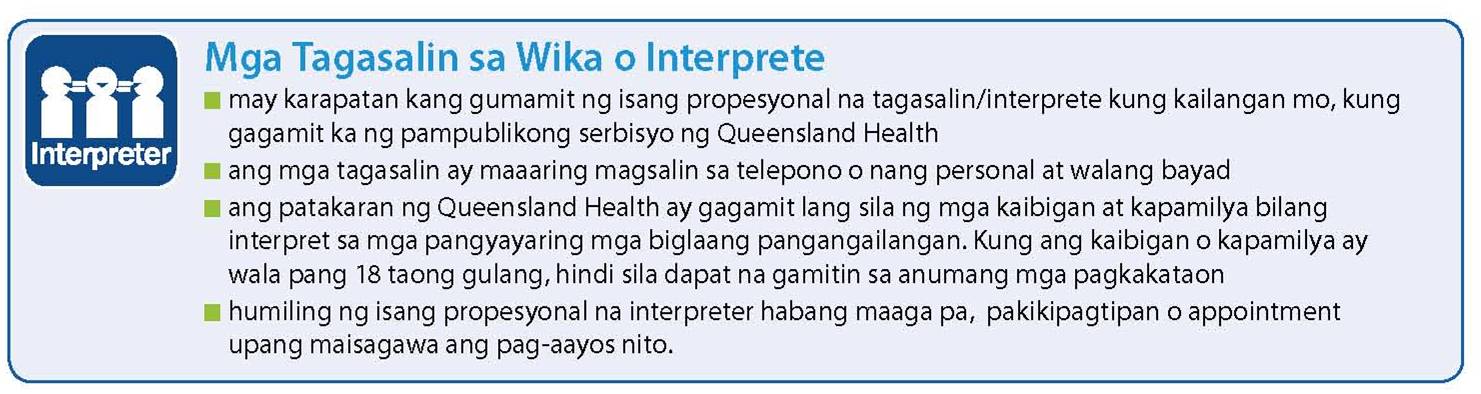
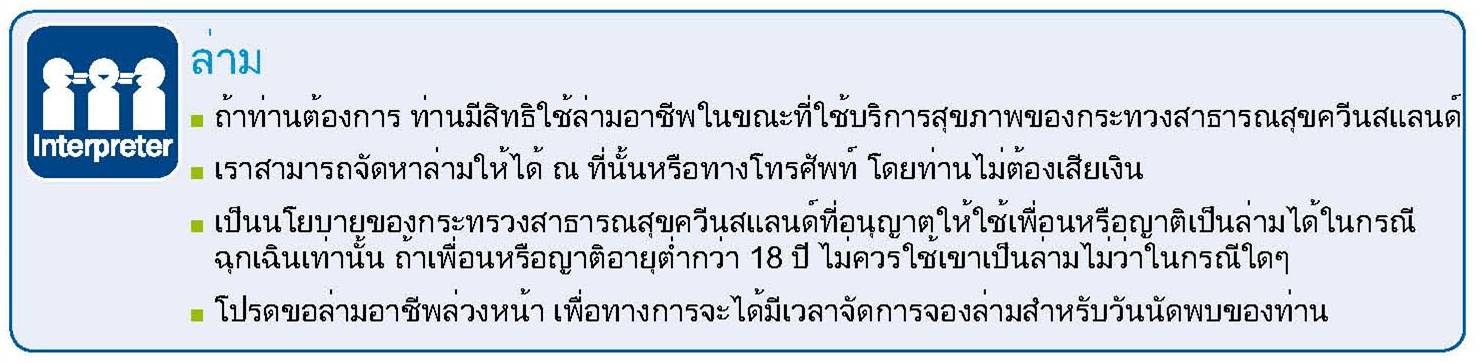
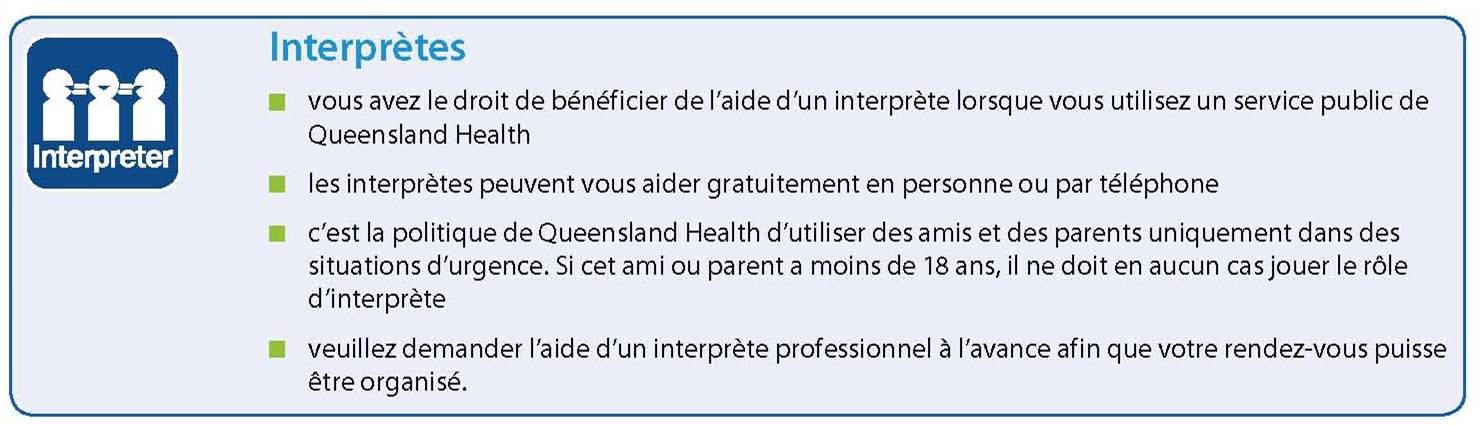
- You have a right to a qualified interpreter when you access Queensland Hospital and Health Services. This interpreter is free of charge.
- Health staff and clinicians require an interpreter to communicate with patients who prefere their information in another language.
- The interpreter may be there in person or connect to your appointment by telephone or video.
- Tell staff you need an interpreter. They will arrange for an interpreter for your appointment.
Health services can show patients this message in language:
 (Amharic)
- 日本語 (Japanese)
 (Arabic)
 (Khmer)
 (Burmese)
- Gagana (Samoan)
- 中文 (Chinese)
- Español (Spanish)
- HRVATSKI (Croatian)
- Kiswahili (Swahili)
- دری (Dari)
- Tagalog (Tagalog)
 (Dinka)
- ไทย (Thai)
- Français (French)
- Tiếng Viêt (Vietnamese)

When to engage a qualified interpreter
Health services should engage a qualified interpreter when:
- the client/consumer/patient requests or tells you they need an interpreter or produces a Queensland Government interpreter card
- you need to communicate important information about the patient's health care or their consent to health care.
You should ask if a patient needs an interpreter. This question should be asked in advance of the appointment.
Working with qualified interpreters ensures that you communicate through a trained, bilingual person, who is guided by a code of ethics, respects the confidentiality of the person, is impartial, accountable and strives for accuracy.
Can friends or family members act as interpreters?
Friends and family members should be used only in emergency situations when an interpreter is unavailable. People under 18 years old are not to be used as interpreters in any circumstances.
Arranging an interpreter
Refer to Hospital and Health Service Interpreter Services and Queensland Government language services for more information about how to arrange an interpreter.
Risks of communicating without a qualified interpreter
There are significant risks in communicating without a qualified interpreter:
- inaccuracy, because you cannot be certain a qualified interpreter is competent in both languages.
- possible withholding or distorting information because of family relationships or due to the emotional or sensitive nature of the issues at stake.
- staff are unable to be assured that information necessary for safe and quality health care is being communicated appropriately and accurately.
- informed consent and confidentiality standards may not be met.
Staff must consider the potential legal consequences of adverse outcomes when using unqualified people to ‘interpret’, if a qualified interpreter is available.