

Summary
Our cultural, spiritual and religious practices and beliefs shape how we live, so what kind of role do they play when we're dying? And how can they shape our healthcare?
In this episode, we're exploring the importance of culturally appropriate end-of-life care. Our host Lauren is joined by Dr Melissa from the Metro South Community Palliative Care Service, who explains how she gets to know what's important to her patients, their families and communities, and how this understanding can inform their end-of-life care.
From Mackay Hospital, Andrew talks about how he supports his community and educates other clinicians through his role as a Specialist Palliative Care Services Aboriginal and Torres Strait Islander Advanced Health Worker.
We're also joined by Angela, a Bundaberg woman who has been with 4 family members throughout the end of the lives, who shares stories that show the influence family, religion and culture has had on the way she cared for her loved ones.
Throughout, we'll learn about how advance care planning can make it easier for others to understand what we want and need from end-of-life care and find out how to have these conversations with people who are important to us.
This episode is part of the podcast series It Can’t Hurt to Ask ... about Death and Dying.
Featured in the episode
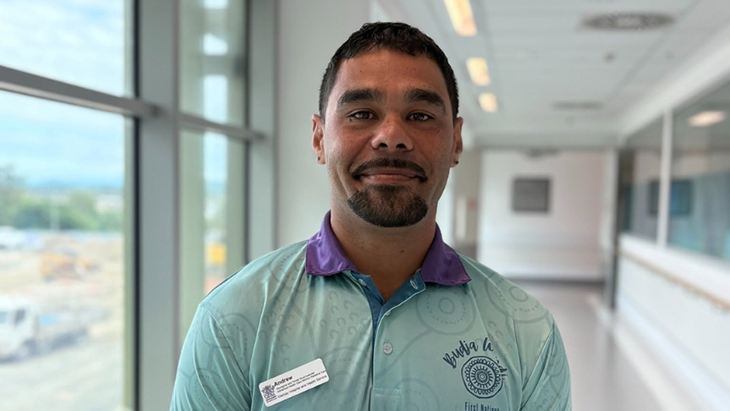
Andrew
Andrew is an Iman and Kaku-Yalanji man, and a Specialist Palliative Care Services Aboriginal and Torres Strait Islander Advanced Health Worker for Mackay Hospital and Health Service.
In his role, Andrew is a strong advocate for culturally safe and competent care at end-of-life including understanding, respect and walking alongside patients and families in a way that honours who they are. He supports Aboriginal and Torres Strait Islander patients and families, ensures cultural protocols are respected and provides education to staff and stakeholders to strengthen understanding across the health service.
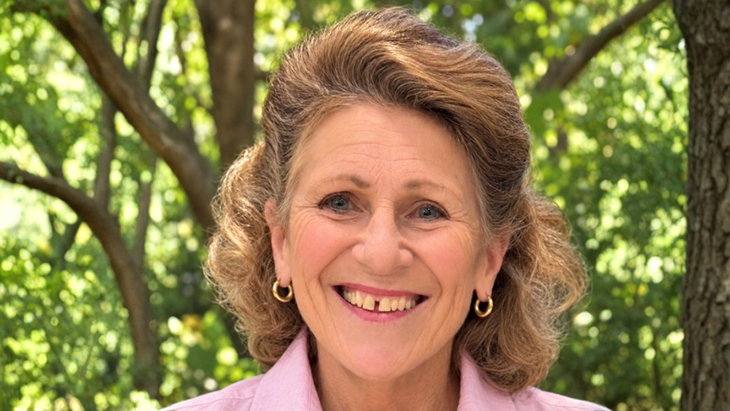
Angela
Angela has cared for 4 of her relatives, her mother, father, aunt Cleo and godmother Goldie, at the end of their lives. She has found caring for loved ones as they've died to be a profound privilege.
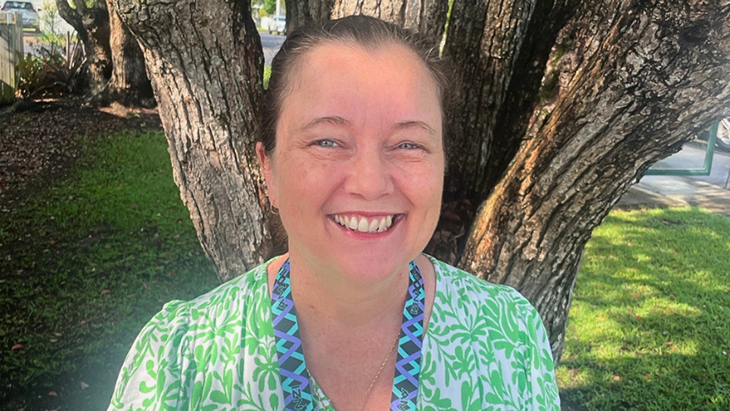
Dr Melissa
Dr Melissa is a Senior Staff Specialist in Palliative Medicine working in the Metro South Community Palliative Care Service for the Brisbane South area. She enjoys working with patients and their families in their homes and communities and feels privileged to be involved in this difficult time in people’s lives.
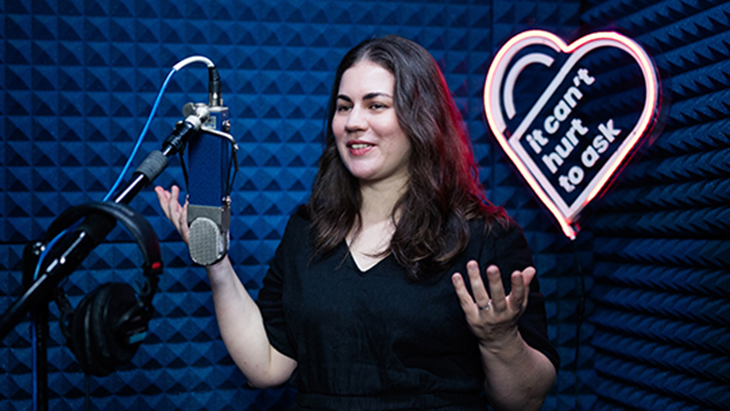
Lauren
With equal parts curiosity and caution, Lauren has delved into all things death and dying to produce and host this podcast series. She's talked to healthcare workers, allied health staff and people with lived experience from right across Queensland to get the full picture of what happens at the end of life and how we can prepare to live, and die, as well as we can.
Episode resources
Care at the end of life is a campaign and resource hub for Queenslanders with information about advance care planning and support for patients, carers and families.
Talking about death and dying can bring up challenging emotions. If you or someone you know is struggling with their mental wellbeing, support is available:
- Lifeline: call 13 11 14 (24 hours a day) if you are experiencing a personal crisis or chat to a counsellor online.
- Beyond Blue: call 1300 224 636 for broad mental wellbeing support or speak to a counsellor online.
- Griefline: call 1300 845 745 (9am–6pm, Monday - Friday, 12 noon–6pm weekends).
- PalAssist has general information and advice about palliative care services in Queensland. Call 1800 772 273 (free for Queensland residents) or chat online (from 7am to 7pm, 7 days).
- In an emergency, always call Triple Zero (000).
The following services were discussed in the episode or can provide additional information and resources:
- The Statement of Choices documents discussed in this episode can be used as part of advance care planning to record your values and preferences for your healthcare.
- The Statewide Office of Advance Care Planning offers free advance care planning information and support for patients, families, carers, and health professionals. Phone: 1300 007 227 or email: acp@health.qld.gov.au.
- Apply for aged care services first by applying for an assessment. You can do this through your GP or local health service, online at the My Aged Care website, by calling My Aged Care on 1800 200 422, in-person with an Aged Care Specialist Officer at a Services Australia office.
- Any Aboriginal and Torres Strait Islander person who is 50 and over can access the Elder Care Support program. The program provides support workers who can give you information about aged care and guide you through the process of accessing services.
- Support is provided for infants, children and young people with life-limiting illnesses, as well as their parents, siblings, grandparents, school and community. Learn more via Children’s Health Queensland’s Paediatric Palliative Care Service, reach out to the Children's Health Queensland Bereavement Service via phone: 1800 080 316 or email: CHQ_Bereavement@health.qld.gov.au.
- Regional and rural patients, and their families, can access specialist palliative care services via telehealth. A referral is required from your GP, oncologist, other specialist or community nurse. Care is delivered by Specialist Palliative Rural Telehealth service (SPaRTa).
- Seniors Enquiry Line is a free, statewide information and referral service for Queensland seniors, families, friends, grandparents and carers. Phone: 1300 135 500 between 9am to 5pm, Monday to Friday.
- Voluntary assisted dying is one of several choices a person may have at the end of their life. It is important to discuss all options with your doctor. QVAD-Support provides advice and support to Queenslanders. Phone: 1800 431 371 or email: qvadsupport@health.qld.gov.au
Disclaimer
The stories and conversations shared by everyone in this podcast reflect their personal views, experiences and opinions. They are shared for informational and educational purposes only and are not intended to be a substitute for professional medical advice, diagnosis, or treatment.
Queensland Health does not guarantee the accuracy or completeness of the views expressed by guests and accepts no responsibility for any loss or damage that may result from relying on this content.
If you have questions about your health or treatment, please speak with a qualified healthcare professional.
Transcript
Angela
They got it right. Anyway, I slept like a log, and I woke up in the morning.
Lauren
Have you ever had a conversation with a stranger who was such a good storyteller you could have listened to them for hours?
Angela
And I thought, ‘Oh, Mum's had a good night. She hasn't called me.’
Lauren
That's what talking to Angela is like.
Angela
I went to the toilet. This is very organic. I was sitting on the toilet, and I thought, ‘Mum's died during the night.’ And I just-
Lauren
When I was looking for people to talk about cultural and religious practices, my colleague Mel piped up, ‘You need my Aunt Angela. She's kind of the unofficial death doula of our family.’
Angela
And in that time, Mum had so many visitors. And I just knew before I went in there that she'd gone, and she'd gotten out of the chair and into the bed, and she was lying there-
Lauren
Working on this project, the thing I've noticed is that people want to talk about who their loved ones were as a person, rather than the illness they had or the logistics of their care.
Like Angela, when you get people talking about their person, they don't want to stop.
Angela
You know what the first thing I did was? I opened the windows because I felt like I was letting her spirit go, you know? Just an instinctive thing to do.
Lauren
What do you enjoy most in life? What gives your time meaning? How do you see yourself as part of your family, community, and the broader world? What are the rituals or traditions that shape your days, months, and years? A core part of our identities are cultural, religious, or spiritual beliefs and practices.
They shape how we see the world, what we value, how we spend our time, and the way we relate to others. When I talked to Angela, we talked about the 4 relatives she had cared for at the end of their lives: her father, her mother, her aunt, Cleo, and her godmother, Goldie. Here she is describing Cleo and the relationship she had with Angela's young son, Rory, while she lived with them.
Angela
Aunty Cleo would... She used to sleep in, and she'd come out, and she'd make her breakfast every day, which was toast, and she used to cook the tomato in the microwave and put it on the toast. I'm sure Rory ate most of her breakfast every day. But she'd sit in that big red lounge, and he would wriggle his little bottom in next to her, and she would read him Hairy Maclary.
And the joy that simple thing brought to her.
Lauren
Daily sleep-ins, tomatoes on toast, books with children. When I heard Angela describe her relatives, it was clear that when time became limited, these were the details of people's lives that mattered most, to them and to others. She described her mother to me as a people person, the kind of person who could talk to anybody.
She also described her love of a beautiful garden and how it wove into the way Angela cared for her after her death.
Angela
Anyway, the people who used to cut the grass arrived, Dave and Vera, and I said, ‘Mum's died during the night.’ And they said, ‘Oh, we'll go.’ And I said, ‘No, I'd really like you to still do the grass because she'd really like it.’
And when they came and the funeral directors came, they took her body out the back way, and I said, ‘Look, Mum, look how beautiful the yard looks,’ because she and I did a lot of gardening together.
Lauren
So how can these integral parts of us be part of our end-of-life care? From turning the sprinklers off in a hospital morgue for smoking ceremonies to finding the right priest to deliver a final prayer, and the paperwork that helps healthcare workers know what's important to each individual, for this episode, I've been talking to people right across the state to find out how those core elements of who we are can be part of our care when we're dying.
Dr Melissa
I really like the community. I love to see people in their own environments, in their homes, doing what they want to do.
Lauren
That's Dr Melissa. She's part of the Metro South community palliative care team. Her colleagues suggested I talk to her about how palliative care teams adjust their work to meet the cultural needs of patients The compassion she has for her patients, her desire to get to know them as people was evident from the moment we started talking.
Dr Melissa
Our job is to explain things the best we can, to prepare people for what's going to happen, and to support them to live their best life for however long their life is.
And so we talk that through, and we will ask about things like at end of life, are there certain rituals or cultural moments of importance that we need to be aware of so that we can help families accommodate that? I think that's all part of knowing the person as a whole person. And patients respond to that respect that we show them by working together to make sure that happens.
Lauren
The population of Brisbane's Metro South area, where Dr Melissa works, is large and diverse.
Dr Melissa
In our service, we have a lot of patients from Vietnamese, Chinese backgrounds. We have a fair amount of patients from refugee backgrounds too, and Sudanese families. With regards to religions, I would say everything actually.
Religious belief a very varied, from not believing and not having a faith at all, to a lot of the Christian religions, Islamic. We utilise other members of the healthcare system to help, you know, multicultural nurse navigators, Aboriginal health workers for our First Nations patients. Documentation that is relevant, people's cultural background.
The majority of my patients in this area actually come from non-English speaking backgrounds. So really utilising all of these things to help us understand that individual person and what's important to them.
Lauren
While she's learned a lot from working in her community about different cultures and religions and their approaches to death and dying, Dr Melissa told me it's important not to make assumptions about what a person will want or need from her care.
Dr Melissa
Your cultural background, your religious beliefs, but so much more, makes up your identity, and it's about understanding that person, hearing them, recognising them, and taking into account their past experiences and what's important for them.
And not being generalised just because you may have been born in China and have a family that believe that their Chinese cultural heritage is very important to them, does not necessarily mean that patient feels that way. Certainly, the patient experiences I've had, if I've said, ‘Excuse my ignorance, but what does that mean for you?’
Or, ‘What do you believe in that religion?’ People are more than happy to explain to me what that means, and I come away learning something, and it's helpful. We're both Just people trying to do the best.
Lauren
Understanding her patients in this way can impact everything, from who Dr Melissa talks to about the healthcare provided to how a person is cared for after death.
She says getting it right can change the experience of not just the individual, but their family and community.
Dr Melissa
So, for some religious beliefs, you might have to be buried within a certain period of time. So, we're very aware, okay, we need to do our part to help that happen for that family. I think families are very important, but certainly in some cultures families are even more important than maybe in others.
And I think recognising that's different already at the very beginning of meeting a patient and family improves that relationship. For instance, we will often talk about decision-makers and who a decision-maker might be, but for some patients and cultures, it is not an individual person and would never be that way.
And I don't think it's right of us to say, ‘You need to pick somebody,’ because we have to understand that's not how that decision-making process works for that patient and family. And I think acknowledging that and talking that through and having an understanding between us all works for the best care for the patient, and I think families really appreciate that.
I think that's really important to them. I think it helps them feel comfortable, helps them feel like we are doing our best for them.
Lauren
Andrew is part of a growing group of First Nations advanced healthcare workers, and he's the first at Mackay Hospital to work in palliative care. I spoke with him about how he helps meet the cultural needs of First Nations patients and helps them navigate the system. He also helps his colleagues to learn about how to best care for Aboriginal and Torres Strait Islander people.
Andrew
My name is Andrew, born and bred in Mackay, Queensland.
I'm a Iman and Kaku-Yalanji man, and I'm an advanced healthcare worker in the palliative team for Aboriginal Torres Strait Islander consumers. My role is to make sure that our consumers are looked after in a culturally safe way. So I advocate for our patients if they need any cultural supervision or any protocols or traditions that needs to be adhered to.
I can do that and organise that with family and stakeholders. We also do a lot of education with community around advanced care planning, especially with the Aboriginal Torres Strait Islander, you know, patients, we find that we need to do them with them fellas early so that family can be able to go through that journey with them properly and then fulfill their cultural obligations.
And then when coming into hospital, I'll go and see them and yarn with patient and family, making sure family's got everything they need and patient's comfortable and getting all the cultural needs met.
Lauren
Aboriginal and Torres Strait Islander cultures are distinct and have different traditions and practices during end of life and after death.
There are also hundreds of unique cultural groups among Aboriginal Australians.
Andrew
We do have the 2 very different cultures, Aboriginal and Torres Strait, which have different ceremony and different story and different protocols and traditions that they need to meet. So, identifying that patient's culture and then being able to deliver them cares properly is very important.
North Queensland, where I am, we have a very big population of Torres Strait Island people, and their protocols are very different to Aboriginal. Some Torres Strait Islander people practice where they have an in-law to be the spokesperson. So going through that spokesperson to deliver all the information and gather all the information is at the forefront.
So being able to identify that person, spokesperson being Torres Strait, you can filter all the information through them. If you didn't know that, you may walk into the room and talk to the wrong person or upset the family because you've communicated with the wrong people. Finding that information out is very important, especially with Aboriginal people too, with we can have different protocols when coming, like you say, coming into the room, you may not be able to speak to certain people or look at certain people.
Here, me, myself in Mackay, we have different protocols to Sarina, which is only 30Ks down, 20Ks down the road. They're very close, but very different protocols to fulfill. So, finding all that out is important because we have an obligation to practice our culture and do it for our people.
So, for them, patients and families to be able to fill that obligation is at the forefront for that family.
Lauren
Andrew told me that part of his job is helping healthcare workers develop the skills to ask questions about cultural needs so they can provide appropriate care.
Andrew
So, identifying the culture of where the patient's coming from, they may be both, they may be one or the other and then meeting them cultural needs because there may be Men's Business that the patient may be not wanting their cares done because there might be a female nurse or something like that.
So, we can come in and be able to sort something out, maybe get family to do the cares and be supervised or get a male nurse in or vice versa. Firstly I'll identify which culture they're coming from and when they let me know that I'll identify whereabouts or where their Country or island and then ask them what cultural needs need to be met or what's their traditions because they're very different.
What I say is don't be ashamed to ask the question. You're going to get it from the horse's mouth if you ask the question, is there anything I think I need to look out for? Are there any cultural protocols I need to be able to do? And then family will let you know. If you don't feel confident in that, there's always liaison officers that you can rely on.
I suggest you rely on them heavily, the liaisons, because they have that community knowledge. They know patients, they'll know the culture, they'll know what footy team they barrack for. Lean on them liaisons. I suggest they're a valuable resource.
Lauren
When someone is dying, having people in the health system who can help meet their cultural needs can make a huge difference to their experience.
Andrew shared a story with me about a patient for whom he was able to provide really meaningful care.
Andrew
So, we've actually had a patient who was made palliative last year. He was from the Northern Territory. All his family were female that were here, nieces, aunties, sisters, daughters. They were all in the room.
Patient wanted to do Men's Business ceremony. None of his men family were here, so he asked myself to do that. He gave me permission to do that for him. So I've gone to the local traditional custodians here, one uncle, bring him down to the room, and traditional custodian from here gave permission for patient to pass on Country.
Uncle walked out of the room, and about 2 hours later, patient had passed. So he got that permission to pass on Country. They gave me instructions on what the ceremony would be. So he wanted ochre painted on his chest. His totem was emu, so we placed emu feathers on him. As me being the man, I did that for the family.
After that, we were able to isolate the sprinklers in the morgue to practice a smoking ceremony. So now that we have that in policy and procedure here at Mackay Base Hospital, so we know what to do for next time as well. And that patient and family were able to continue their journey to dreaming. And they were able to do that comfortably because we were able to advocate for that.
Lauren
Remember Angela from the start of this episode?
Angela
I have been able to care for both of my parents and my aunt at home at the end of their life, and recently just being able to be with my godmother. It's been my privilege, and it's something that's taught me a lot.
Lauren
Angela's family, including her godmother, Goldie, are Greek Orthodox.
She spoke to me about what it was like to arrange to meet Goldie's religious needs while she was receiving palliative care.
Angela
She was very ill. I was able to get the Greek priest to come. So I was able to pick him up, bring him to the hospital, take him to Goldie. She was semi-conscious, but she was with it, but very sleepy.
And as we came around the door, I thought, ‘Oh my God, she is going to see him and think that I'm telling her that she's dying,’ 'cause I haven't had this conversation with her, and my heart just sank. But you know what? When he came around the corner and she saw him, her face was like the sun. She was so happy to see him, and it was a huge relief.
It's one of the biggest reliefs I've ever had, and it was one of the most beautiful things. I'll remember it forever. He had a beautiful conversation with her, and he asked her, ‘Do you want me to say the prayers?’ And she said, ‘Yes, please.’ And they sing the prayers, and he wears around him, it's called the epitrachelion.
It's to represent the shepherd and the sheep. So, he wears that, and then he says the prayers, and he gave her communion. Part of it was he put the epitrachelion over her face, and then he asked her when he finished that, ‘Will I give you the last rites?’ And she said, ‘Yes.’
Lauren
Angela's story showed me how comforting it was to provide this type of care, not just for Goldie, but for herself, and how it helped with her own grief.
Angela
And it was all about her, of course, but for me, that was a moment I'll always remember because this was a person who has zealously clinged to life every moment. She never wanted to miss out on anything. She never wanted to be excluded. She wanted to be part of everything. And for me to hear her say that was such a moment to know that she knew that she was dying, and she was accepting that, and that we were there with her.
She wasn't alone. It's one of the things, it should be about the person, but it's also about us because we're left with the memories of and the experience, and that is very comforting. It's a very comforting thing. And he, in Greek they say, ‘Kalo paradiso’, ‘Have a good paradise.’
Lauren
Culturally appropriate care that includes people's religious beliefs and traditions has proven benefits. It can help reduce people's perception of pain and can lessen distress for families. As we've heard from Andrew, it can also help build people's trust in the health system, while Angela shared it can provide moments to create lasting positive memories.
Did you know there's a formal way to record your wishes? A Statement of Choices document lists what would be important to us when we're dying and after we've died. This helps our loved ones and healthcare teams know what we want.
Dr Melissa explained how to use it as a tool to record these more personal details.
Dr Melissa
We should all talk about what's important to us.
It's much easier to do a Statement of Choices for patients and families. A lot of patients see the first page of an advance health directive and go, ‘No, this is too much.’ It's very legal and doesn't say anything about the person filling a form out, so it's much nicer, and it's a really good way to talk.
We can use it as a base to talk about. I have encouraged family members that don't actually have a terminal illness to fill one out while their family member is also filling it out because it's normal.
Lauren
This third document in the advance care planning set isn't as well-known as the enduring power of attorney or advance health directive.
Unlike its legally binding counterparts, the statement of choices is a values-based document. But Dr Melissa says that its impact on people's care shouldn't be overlooked.
Dr Melissa
I do often give patients and families a Statement of Choices if they've never really thought about these things before and explain to them the document was created because we don't sit around the dinner table and talk about what we're going to do when we die.
It was designed to start the conversation and to normalise the conversation because all of us are, unfortunately, at some point, going to die. And if we plan and think about these things and write them down and share them with the people that we care about, then when we get to that point in our life, it's not going to add stress to an already otherwise emotionally distressful time.
And most patients and families are very happy to do that. And then we re-talk again when they've written some things down, and we can really explore what that might mean or what does that mean medically, if we're talking about medical things. And then how can we meet their needs if they've said they really want their body to return to their country of origin or, for our First Nations people, if they want to go home to Country.
So, it's about just really gaining an understanding, but it's a good document to use together to talk that through.
Lauren
You can complete a statement of choices at any time, and it's important to remember that it can be updated. Just like the other advance care planning documents, you can change your mind about what's important to you down the track.
A Statement of Choices can also be completed on behalf of someone if they're unable to complete it themselves. This can let carers really think about who that person is and what would be important to them.
Should we have a go? Here are some of the Statement of Choices questions. I'll read them out. You just think about what comes up for you. Describe what you value or enjoy most in your life. Think about what interests you or gives your life meaning.
If you have any health conditions, consider how they may affect your life in the future. What kind of health outcomes would you find acceptable or unacceptable? When nearing death, what would be important to you and what would comfort you? Where would you like to be? Are there special traditions or spiritual support that would be meaningful to you?
Queensland's advanced care planning forms, including the Statement of Choices, can be found on the Queensland Government website. There's also a brochure to help guide Aboriginal and Torres Strait Islander people in advanced care planning, and there's a Statement of Choices document for children receiving palliative care; we've linked to them in our show notes.
You and I are individuals. Death is one of the most important moments of life, and if we have the opportunity to do it in a way that's true to us, it can impact not just our own lives, but reverberate through our communities. It's worth it, don't you think, to put some thought into what that looks like for us?
On our next episode, I'm talking to people about what it's like to know when they're dying. I've asked a doctor about how they deliver the news and why it can be really hard for medical professionals to get that right. I've spoken to people from Ambulance Wish Queensland about granting final wishes for those who are dying, and I've heard from people who are living with life-limiting illnesses.
What's it like to get a terminal diagnosis? Is it better to know in advance? How do people spend their time once they know that they're going to die? It can't hurt to ask.
Queensland Health acknowledges the Traditional Owners and Cultural Custodians of the lands on which this recording was made and where our health services operate. We pay our respects to Aboriginal and Torres Strait Islander peoples across Queensland and honour their enduring connection to Country.
We are committed to working in genuine partnership to improve health outcomes and advance health equity, to instil confidence and reestablish trust in the health system.