

Summary
The latest season of our podcast It Can't Hurt to Ask has launched, with a new series exploring death, dying, grief, and advance care planning. Listen wherever you get your podcasts.
It Can’t Hurt to Ask... about Death and Dying answers all your questions about the last months, weeks, and days of life.
From how to plan for a good death to what might actually happen on the day you die, how to care for someone in their final days, and living with grief, we’re answering your questions about death and dying.
Is this podcast for me?
Yes, we think so! Because death is a normal part of life and understanding death and dying can help us all live better lives.
Whether you’re caring for someone, thinking about your lifestyle as you age, or just interested in what happens at the end of life, our new podcast has the answers you’re looking for.
You’ll join our host, Lauren, as she chats to a variety of experts and everyday people, including:
- Dr Christian, Staff Specialist Palliative Medicine at Rockhampton Hospital;
- Rosita, a Toowoomba local who nursed her mum in her home for the last year of her life;
- Laura, Bereavement Clinical Lead from Cairns and Hinterland Hospital and Health Service;
- Donna, Clinical Nurse Consultant Organ Donations, Metro South Hospital and Health Service, and so many more.
Heard of an advance care plan before?
Our multidisciplinary palliative care teams support people right across the state to live and die well, but you play an important role too.
Throughout this series, we’ll frequently refer to advance care planning - a valuable tool to help you map out your future.
Advance care planning is a natural part of preparing for tomorrow. It empowers you to live well and maintain control over your healthcare decisions at every stage of life.
Advance care planning is thinking about and communicating your preferences for future health care.
It can mean:
- thinking, talking and deciding about what matters to you
- choosing a decision-maker who can speak on your behalf
- writing down your preferences in documents.
Your documents let others know your wishes, values, beliefs and choices. They tell health professionals and people in your life how to respect your choices if you can't speak for yourself.
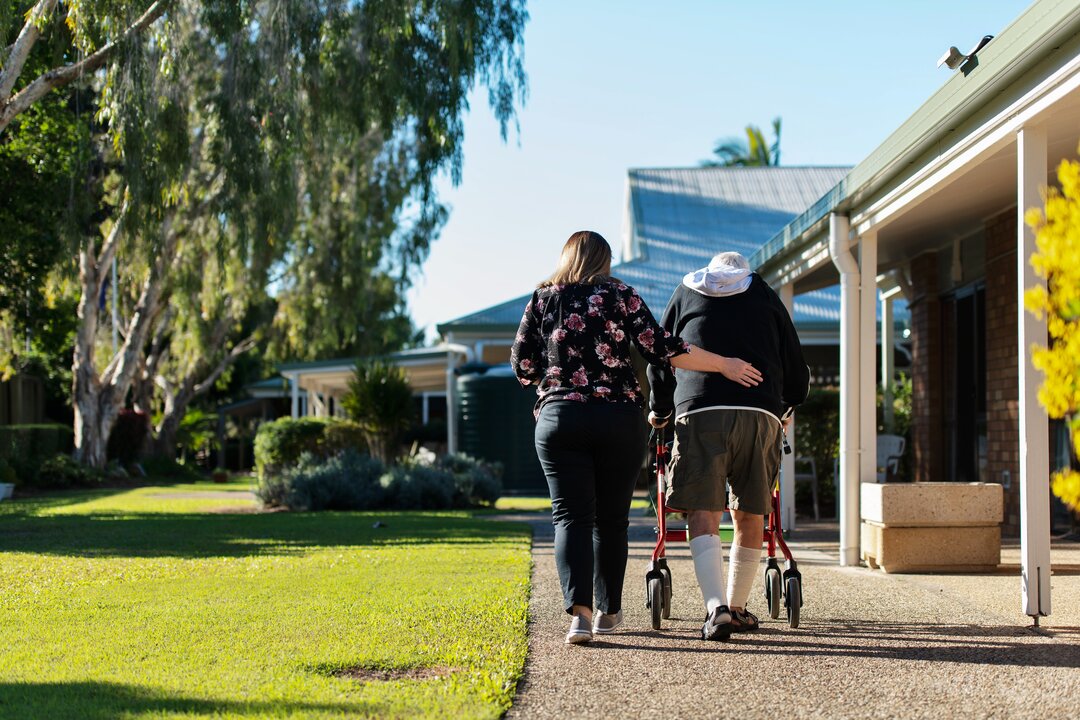
You can also support your loved ones with their advance care planning. Helping those you care for complete their plan can help them live well for longer and help you be confident in the choices you make as you care for them.
“A good life should include a good death. In a place you choose, with the people who matter. Having the care and treatments you want, not the ones you don’t. Compassion in Dying, UK
Remember, talking about death and dying doesn’t make them happen. Talking about them helps you to plan ahead, feel in control, and gives others the peace of mind that they know your wishes.
Listen wherever you get your podcasts
The first four episodes are out now!
- Episode 1 What are death and dying?
- Episode 2 What is palliative care?
- Episode 3 Who works in end-of-life care?
- Episode 4 What happens when someone is dying?
A note on language
Death, dying, died and dead: rather than euphemisms that create stigma and fear and increase misunderstanding, use factual language around death, dying and disease.
Normalising these words helps to reduce fear, challenges stigma, and support more open and informed conversations about these inevitable experiences. (Source).

Mee your host, Lauren!
Helpful resources
- The Statewide Office of Advance Care Planning offers free advance care planning information and support for patients, families, carers, and health professionals. Phone: 1300 007 227 or email: acp@health.qld.gov.au.
- Apply for aged care services first by applying for an assessment. You can do this through your GP or local health service, online at the My Aged Care website, by calling My Aged Care on 1800 200 422, in-person with an Aged Care Specialist Officer at a Services Australia office.
- Any Aboriginal and Torres Strait Islander person who is 50 and over can access the Elder Care Support program. The program provides support workers who can give you information about aged care and guide you through the process of accessing services.
- Support is provided for infants, children and young people with life-limiting illnesses, as well as their parents, siblings, grandparents, school and community. Learn more via Children’s Health Queensland’s Paediatric Palliative Care Service, reach out to the Children's Health Queensland Bereavement Service via phone: 1800 080 316 or email: CHQ_Bereavement@health.qld.gov.au.
- Regional and rural patients, and their families, can access specialist palliative care services via telehealth. A referral is required from your GP, oncologist, other specialist or community nurse. Care is delivered by Specialist Palliative Rural Telehealth service (SPaRTa).
- Seniors Enquiry Line is a free, statewide information and referral service for Queensland seniors, families, friends, grandparents and carers. Phone: 1300 135 500 between 9am to 5pm, Monday to Friday.
- Voluntary assisted dying is one of several choices a person may have at the end of their life. It is important to discuss all options with your doctor. QVAD-Support provides advice and support to Queenslanders. Phone: 1800 431 371 or email: qvadsupport@health.qld.gov.au.