

Summary
This episode is part of the It Can’t Hurt to Ask: Parents' Group
The 'fourth trimester' is real—and it’s a rollercoaster
In Episode 3 of Parents' Group, Season 4 of It Can’t Hurt To Ask by Queensland Health, your hosts Steph, Alex and Caitlin talk about the first 3 months of life with a newborn. From sleep deprivation and birth trauma, to bonding with your baby and adjusting to new identities, this episode unpacks why early parenting can feel beautiful, brutal, and everything in between.
They’re joined by Nicki, a Lived Experience Coordinator from the Queensland Centre for Perinatal and Infant Mental Health, who shares insights on the realities of the 'fourth trimester', signs of perinatal mental health challenges, and where to find support. You’ll also hear powerful personal stories from parents navigating recovery, exhaustion, shifting relationships, and the gap between expectations and reality.
Because if you’ve ever wondered 'am I the only one who feels like this?'... you’re probably not. ❤️
Resources
If you or someone you know is struggling with their mental wellbeing, support is available.
In an emergency always call Triple Zero (000).
The following services can provide help and counselling to you in non-emergency situations.
- 13HEALTH: call 13 43 25 84 and talk to a registered nurse 24 hours a day, 7 days a week.
- Pregnancy, Birth and Baby Helpline: call 1800 822 436 to speak with a trained counsellor about the first year of your child’s life.
- Parentline: call 1300 301 300 for advice and counselling about any issue that affects you as a parent. Available from 6am to midnight AEST, 7 days a week.
- Perinatal Anxiety and Depression Australia (PANDA): contact PANDA on 1300 726 306 or chat online if you or your partner are feeling depressed, or you are struggling after the birth of your child. Available from Monday to Friday, 9am–7pm.
- MensLine Australia: call 1300 789 978 if you’re a man and have family or relationship concerns. Available 24 hours a day.
- Lifeline: call 13 11 14 (24 hours a day) if you are experiencing a personal crisis or chat to a counsellor online.
- Beyond Blue: call 1300 22 463 for broad mental wellbeing support or speak to a counsellor online.
- Connecting2u: sign up for free text messages, support, info and tips for during pregnancy and after you have your baby.
- ForWhen: call 1300 24 23 22. Available Monday – Friday 9.00am–4.30pm.
- SMS4DADS: sign up for free text messages, support, info and tips – for dads and dads-to-be.
- Raising Children Network: offers ad-free parenting videos, articles and apps backed by Australian experts.
- Triple P – Positive Parenting Program: free parenting courses for parents and carers of children under 12.
- Queensland Health Child Health Clinics: Child health services have clinics across the state to provide parenting information and support for families in Queensland. Free services may include nutrition, child growth and development assessments. You need to book an appointment for these services.
Featured in this episode
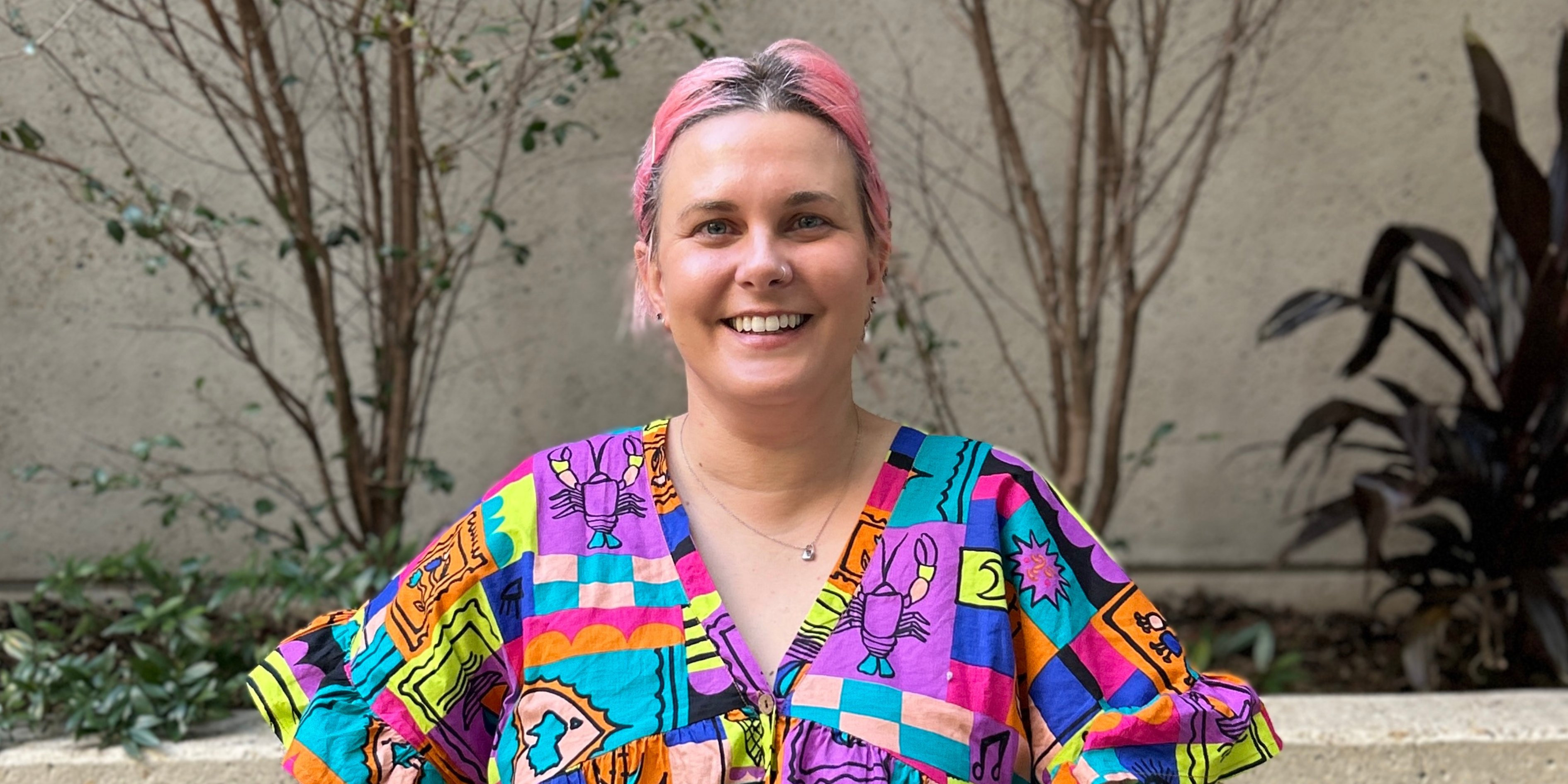
Nicki
Nicki Walsh is the Statewide Lived Experience Coordinator – Perinatal and Infant Mental Health at the Queensland Centre for Perinatal and Infant Mental Health, Children’s Health Queensland, and she is ‘Mum’ to 2 kiddos, who are now teenagers.
Nicki developed severe perinatal mental illness while pregnant with her first baby, which continued for many years. She spent time at a mother baby mental health inpatient unit and has continued her recovery journey over the subsequent years, while parenting her growing children.
Using these experiences, Nicki now supports parents, caregivers, infants and young children accessing mental health services by offering hope and support and sharing her journey.
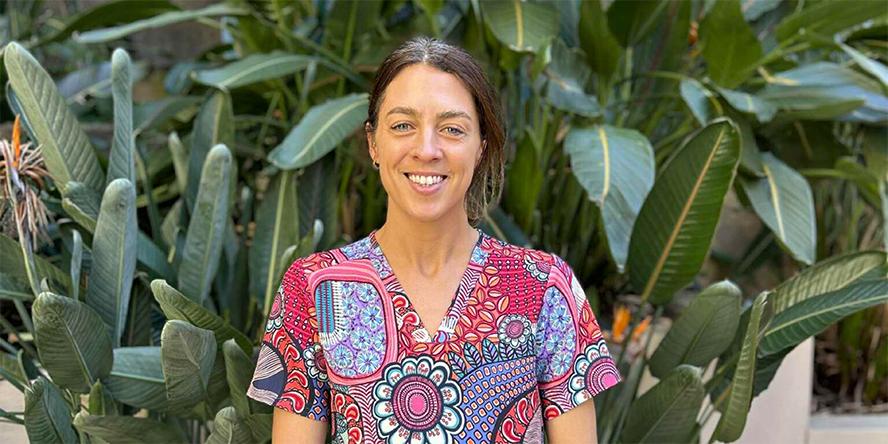
Anna
Anna is a registered nurse and midwife at the Royal Brisbane and Women’s Hospital. With 10 years of nursing and 5 years of midwifery experience, she has worked across birth suite, antenatal clinic, and postnatal care. Anna is passionate about providing evidence-based, compassionate support to help families feel confident and informed throughout the perinatal journey.
As a mum of 3, she brings warmth and understanding to her work and currently facilitates childbirth education classes at the Royal Brisbane and Women’s Hospital, helping parents prepare for birth and early parenthood.
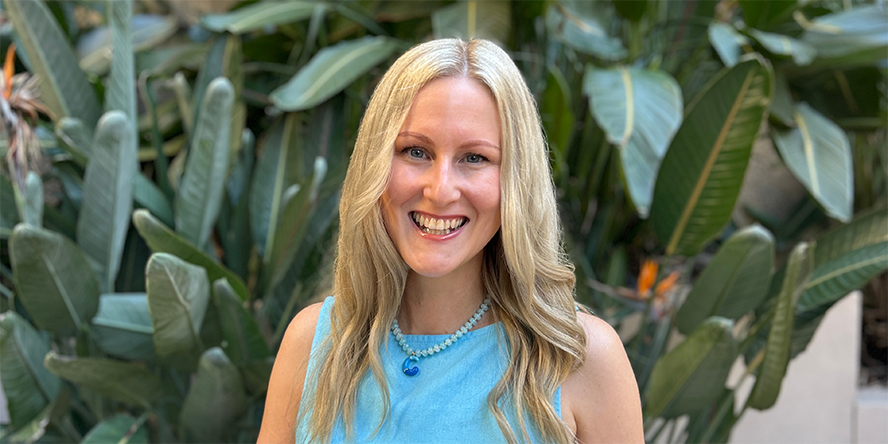
Caitlin
Caitlin is the proud mum of a busy, maths-loving and dino-obsessed 7-year-old and a sassy, creative, princess-obsessed 4-year-old. She loves the mess and magic of motherhood and manages the extra complexity of parenting a child with a disability and navigating her own physical birth injury.
In between her paid work in digital marketing, school and kindy drop offs, playdates, and kids' sports, therapy and extracurricular activities, Caitlin relishes the moments she gets to herself and the simple joys of a hot shower (bliss!), warm cuppa and chatting with her besties on the drive home from work.
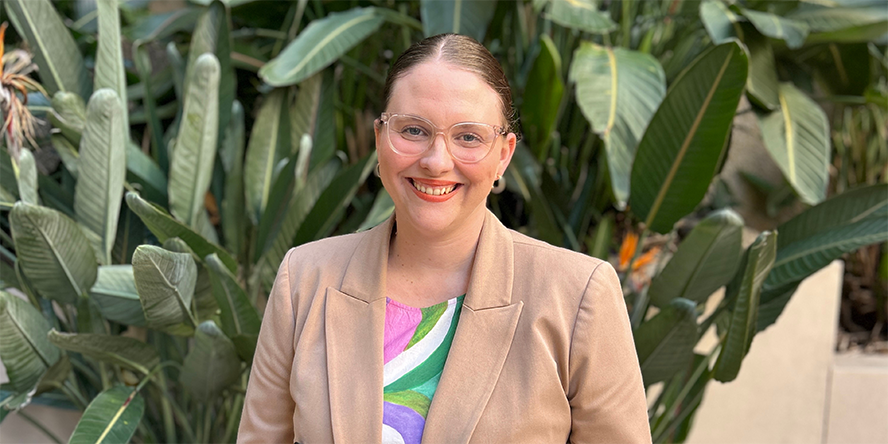
Steph
Steph is a non-birthing mum of 2 kids — a 6-month-old and a 3-year-old. Her wife carried both of their babies and is currently a stay-at-home mum while Steph works full-time in communications.
As a mum of 2 little ones, Steph doesn’t have time or energy for hobbies, but when she does get the chance, she enjoys sitting down for more than 5 minutes and eating a meal when it is still hot.

Alex
Alex has spent more time raising kids than being one. He is a dad to an 18- and 17-year-old from his first marriage, and a 4-year-old from his second.
Between working in creative media and being a parent, he also enjoys playing guitar, cooking and martial arts (but only between 10pm and 12am when everyone is asleep). He lives with his 3 kids, wife and mum, leaning into the richness and chaos of intergenerational living.
Episode resources
If you or someone you know is struggling with their mental wellbeing, support is available.
In an emergency, always call Triple Zero (000).
The following services can provide help and counselling to you in non-emergency situations.
13HEALTH, call 13 43 25 84 and talk to a registered nurse 24 hours a day, 7 days a week.
Pregnancy, Birth and Baby Helpline, call 1800 822 436 to speak with a trained counsellor about the first year of your child’s life.
Parentline, call 1300 301 300 for advice and counselling about any issue that affects you as a parent. Available from 6am to midnight AEST, 7 days a week.
Perinatal Anxiety and Depression Australia (PANDA), contact PANDA on 1300 726 306 or chat online if you or your partner are feeling depressed, or you are struggling after the birth of your child. Available from Monday to Friday, 9am–7pm.
MensLine Australia, call 1300 789 978 if you’re a man and have family or relationship concerns. Available 24 hours a day.
Lifeline, call 13 11 14 (24 hours a day) if you are experiencing a personal crisis or chat to a counsellor online.
Beyond Blue, call 1300 224 636 for broad mental wellbeing support or speak to a counsellor online.
ForWhen, call 1300 242 322. Available Monday – Friday 9.00am–4.30pm.
SMS4DADS, sign up for free text messages, support, info and tips – for dads and dads-to-be.
Raising Children Network offers ad-free parenting videos, articles and apps backed by Australian experts.
Triple P – Positive Parenting Program, free parenting courses for parents and carers of children under 12.
Queensland Health Child Health Clinics, Child health services have clinics across the state to provide parenting information and support for families in Queensland. Free services may include nutrition, child growth and development assessments. You need to book an appointment for these services.
Note
The stories and conversations shared by the hosts in this podcast reflect their personal views, experiences, and opinions. They are shared for informational and educational purposes only and are not intended as a substitute for professional medical advice, diagnosis, or treatment.
Queensland Health does not guarantee the accuracy or completeness of the views expressed by guests and accepts no responsibility for any loss or damage that may result from relying on this content.
If you have questions about your health or treatment, please speak with a qualified healthcare professional.
Transcript
Alex
Hello and welcome back to It Can't Hurt To Ask a Podcast by Queensland Health. I'm Alex.
Steph
I'm Steph.
Caitlin
And I'm Caitlin. Thank you for joining us again as we continue our journey through the early years of parenting.
Alex
Each week we chat about how to support your mental wellbeing as a parent and how to help your little one grow emotionally strong and connected. This week we're talking about early parenting, those first few months after your baby arrives. You might have heard it called the fourth trimester.
Caitlin
Those first few months hey, I mean, we are gonna unpack what this stage is actually like, how to adjust and why it is totally normal to feel overwhelmed. Before we dive in, how are you guys going this week?
Steph
I actually had a really lovely day with my daughter yesterday because we weren't like rushing to get anywhere and we just ended up going for a bit of a nature walk and
it was just nice being outside. And even for my own mental health, like I was looking up at the clouds and looking at the trees, swaying in the wind.
It was lovely. How about you, Alex?
Alex
I think that sounds really lovely actually. Um, for me, I'm actually out of the, um, early childhood thing at the moment. My wife and my little one are overseas on holiday, with family.
And so I've just had a bit of time to decompress a little bit, 'cause I just realized it's been, you know, nearly 4 years of just constant noise and action and activity and, and finding things to do and looking after people. And it's been one of the first times in that period where, I've got the older kids who are pretty much self-sufficient now, and we're just hanging out, more almost as friends rather than,dad and, and child, which is really cool.
And I've just realised just how much, uh, a young child takes over the house. So while they've been gone, I've been doing a bit of rearranging of the furniture,
But then when they come back, I'm sure all my best plans will revert back to exactly straight back.
Steph
At least you're realistic about it.
Alex
I know.
I know the score, so I'm enjoying it while I've got it. Put it that way. How about you, Caitlin?
Caitlin
Yeah, I've had the opposite. So my husband's been away and I've been solo with the kids.
I'm a self-confessed control freak. So I have my systems and I feel really on top of everything. Um, so I felt really proud of myself being this like boss mom and getting things done. The kids really missed him and it was nice when he came back last night.
I always feel really proud of myself when I can do that. I get to the end of the time when he's been away and just feel like really chuffed, you know, rewind 4 years ago, and I absolutely couldn't do that.
So it's, it's nice to see yourself and where you've come from and, and be proud of yourself and I definitely feel like that after this weekend.
Steph
Mm. Sense of accomplishment.
Caitlin
Yeah. Before we begin, we'd like to acknowledge the Traditional Custodians on the land we are recording on. For us, that's Meanjin, home of the Yuggera and Turrbal people.
We pay our respects to Elders past and presentand extend that respect to all Aboriginal and Torres Strait Islander listeners, including all the parents and caregivers out there.
Steph
Before we jump into some of the more complex emotions that come with these early months, our midwife, Anna, from episode 2, has a special letter to share with all new parents. Here's Anna.
Anna
Hi again, parents group. I wanted to read out a little love letter I've written from me, a midwife, to any new parents out there, whether you're holding your baby in your arms already or still adjusting to this new chapter. Dear New Parent, congratulations. You're a parent now. Let that sink in for a moment.
You've just done something so extraordinary. Whether your journey here was smooth, unexpected, long, awaited, or a bit of everything, you've crossed a powerful threshold. We are often told we should feel overjoyed during pregnancy, like it's all glowing skin, happy tears and magical moments. But the truth is, it's different for everyone.
Maybe this pregnancy wasn't part of your plan. Maybe it's something you hoped and waited for, but now that it's real, you're surprised by how uncertain or even anxious you feel. Or maybe it's simply all a bit much right now.
However you are feeling it matters and it's valid. People will be so happy for you. And along with that comes a wave of advice, opinions, and stories. Most of it is well-meaning, but it can be a lot. Please remember, this is your pregnancy and your birth. Only you know what feels right for you and your baby.
This is the beginning of parenthood where you'll be making choices every day about how to care for your little one and how to care for yourself too. Everyone will have something to say. As much as you can try to turn down that noise, come back to what you know about your body, your baby, and your instincts. That quiet voice inside you, it's really worth listening to.
The word midwife means 'with woman' and I am with you. You've absolutely got this. I hope you can take a moment to be proud of yourself. You've been through something deeply transformational, not just physically, but emotionally, mentally, and spiritually, too. Right now, there's a lot happening in your body or your partner's body.
Hormones are shifting, emotions are stirring. Sleep is probably scarce and your brain is working over time trying to make sense of all the new, and that is completely okay. Childbirth takes an enormous amount of energy, and it's not just a moment. It's a marathon. Whether it was a long labor, a cesarean, a quick birth, or something in between.
Your body and mind have worked so hard. Be kind to yourself please. Feed yourself. Literally let the dishes wait. Let the laundry pile up. Limit your visitors if they're draining more than helping and really lean on your village, whether that's a partner, a friend, a neighbor, your midwife, or your family.
Let them help. Try to slow down and enjoy the small and beautiful moments, that little sigh when your baby falls asleep, the feeling of their warm weight on your chest. The quiet of the house at 3:00 AM when it's just you 2 in your own little world. And most importantly, let yourself feel what you're feeling.
There's no right way to experience this. There's no perfect parent. You are learning each other, and that's exactly how it's meant to be. Enter the partners. Your support matters more than you ever might realise. The way you check in, the way you show up even in the smallest moments can make a huge difference.
Try to be present even when you don't know exactly what to do. Listen more than you fix. Encourage rest. Remind them to eat and drink, and take on the mental load where you can. You are adjusting too, and you're allowed to feel all the things as well, but know that you are a vital part of this team and you're learning together and you are needed. With love, a midwife who sees you .
Alex
Oh, what a beautiful letter to all the new parents out there. Thanks, Anna. That's really helpful and grounding advice to keep in mind. So if you've recently become a new parent, I hope you're being kind and gentle with yourself. Well done.
So today we're really happy to be joined by Nicki, a Lived Experience Coordinator from the Queensland Center for Perinatal and Infant Mental Health. Welcome, Nicki. And what is a Lived Experience Coordinator?
Nicki
Thanks for having me guys. Um, a lived experience coordinator is a part of what we call the lived experience workforce.
So we're not health professionals or clinicians by training. But, our expertise really falls in the experiences that we've had in our life. For example, my lived experience of perinatal mental ill health and parenting, 2 little ones that struggled with, um, infant mental health challenges and developmental challenges is the expertise that I bring to my role. So I work alongside mental health clinicians, like psychologists and social workers and psychiatrists, um, and where they're coming from, their theoretical clinical background. I'm coming from, a point of view that I've been there and I've done that, and I might know a little bit about what parents have experienced.
Alex
Yeah, that's super interesting. I think that, um, lived experience role, is really important because it's that relatability, isn't it? Where it's not just a clinician kind of going, well, my training has told me that what you need is this.
It's my experiences taught me what worked for me and what didn't. But I'm just gonna share that and see how that works. And sometimes that's all you need when you're looking for help, is just someone who's been through it before.
To get us started today, we're gonna talk about the absolute cataclysmic, life changing moment of giving birth. And what happens next afterwards.
While we won't go into too much detail about birthing stories today, we do wanna acknowledge that there's a lot of emotional, mental, and physical impacts, uh, that it has on parents. So if you're sensitive to this topic, we suggest skipping ahead.
Caitlin
It's interesting, my kids being 7 and 4, looking back on this time, you know, zero to 3 months, it does feel so long ago, but it's something that is still with me. I think you do carry, birth and postpartum with you through your life.
My son was born prematurely and his birth was really scary for us 'cause we didn't know if he was going to be well. I had an, emergency C-section.
That was unexpected. There was frightening moments. Before and after his birth. Then he was in special care. I went home from hospital without him and left him there, which for anyone that's been through that, it just feels wrong.
Um, and I found it really hard once we got him home to transition from that routine and the order of special care into life with him at home. I struggled mentally, um, particularly for quite some time, but I physically recovered really well from his birth. And then fast forward to my daughter's birth, which was completely different. Intervention free, she was healthy. She came when she was ready. And her birth was beautiful.
It was peaceful and it was everything I could imagine, um, childbirth to be. I went from this massive high where I just felt so proud of myself to discovering that I was physically injured from her birth.
It's hard to talk about. Um, you know, I tore, which is really common. But what shocked me was that I actually was injured where my pelvic floor muscles tore from the bone, and it's something that, you know, it can't be repaired in surgery. Um, and I won't ever recover from. So, you know, that that news is incredibly difficult to receive and incredibly difficult to, um, overcome and live with and, and
it came with a whole lot of physical challenges that of course are difficult and I, and I will live with forever. But the mental challenges was really, really difficult in that first few months. And for months after her birth, I was really scared to move my body.
And I didn't really participate much in life. I sort of just observed life going on around me, and I felt useless. You know, it was this, um, huge shock, shock to my system that this had happened to me.
I wanted to talk about it today 'cause I think it's an important part of the conversation of,this zero to 3 month period because a lot of women that give birth do have physical trauma and, and your bodies can be injured.
And for some of us it is harder, and for some of us it might be a lifelong thing.
And I really wanted to ask you, Nicki, I know you've probably heard all sorts of things, in your work,
how common is it, you know, for people to experience distress after birthing and, and what exactly is birth, birth trauma? What are we talking about?
Nicki
Firstly, thank you for sharing your story. Every time a parent shares their story with me, it's such a privilege, because I take those stories into the future work that I do with other parents to let them know they're not alone.
I haven't experienced, a birth trauma myself. My 2 children were born by elective cesarean, um, for me it was a very, peaceful experience as you described. But as you said many women that I work with,that have birthed, experience birth trauma. It is so common. I think most people don't realize how common it is. About one in 3 women describe their birth as traumatic, immediately and in the days, weeks, and months that follow.
Birth trauma can be physical, and then there's also psychological birth trauma, that can happen where the birth doesn't go as planned for the parents, or that they might be feeling out of control over what's happening to them in a birthing scenario.
So these, distressing experiences can result in an ongoing, I guess, perinatal mental health condition,or they can resolve, um, with some support on their own. It is important to note that you can experience, psychological birth traumas without experiencing any physical birth traumas.
It also impacts other people in the room. So non birthing partners, um, parents, caregivers, and even health professionals sometimes,
so it is extremely common.
Caitlin
It's great that we are talking about this today 'cause I think you do feel so alone and it's nice to know that you're not alone. So for those mothers or or partners who might be experiencing distress after birth, where can they turn to for help?
Nicki
There is actually a lot of places people can turn to for help, and it's growing every year. But I wanna say first and foremost, that if anyone's in a crisis, then immediate support like Lifeline or 1 300 MH call, or your local hospital is, the place to go to.
We do encourage women to speak to their birthing teams, because they can be really helpful in running through what's called a debriefing process with you and looking through the records and your recollections and piecing together things that you might not have remembered.
If you have a GP,that's always a great place to start. Your GP can look after both the physical and psychological elements,of the birth trauma,
and they also generally know what is available in your local area.
There's also government funded perinatal mental health services and your GP can refer you to those as well. A lot of mums tell me that their child health nurse has been a good support. If you don't feel comfortable leaving the house, there are some really great helplines like the PANDA helpline or the For When helpline. There is a huge peer support movement in this space as well.
So the Australasian Birth Trauma Association exists, and they've got a wonderful website and a telephone line, and they can link you to other women and, uh, non birthing partners, that have experienced birth trauma, so that you can, get that real life experience of talking to someone who gets it and who's experienced it as well.
There are, um, a lot of other different options I haven't mentioned, but we will, pop them in the show notes,for anyone listening.
Steph
Yeah. Thanks for sharing that, Nicki.
I, um, particularly liked that you shared about chatting to your care team 'cause I feel like people don't really talk about that, but that was something that was really, helpful to me. My wife with our first, had a really traumatic birth. She had, pre-eclampsia andshe was basically unconscious for most of the birth, and so she doesn't remember any of it.
But it was really traumatising for me to watch, and it sounds really selfish of me to say that, but it was really full on. At one point the, doctor took me outta the room and said, your baby's okay, but your wife might not make it.
It was very traumatising.
There's this point when she's holding her baby and I'm like standing next to her, like smiling.
She's like, I like was just crying. And she's like, why are you crying? And I'm like, That was so full on and horrible. And she's like, what are you talking about? Like, she did not understand at all what had just happened. And that was.
hard as well because I couldn't debrief with her. She had to stay in the hospital for a couple of days and she'd asked the, um, like the hospital team if, um, they could get someone to come and see me.
'Cause I was quite distressed.
I couldn't find any support for me.
You know, I had to go to, a GP and, um, see a psychologist privately, which, I'm glad that I, have the means to be able to do that. But that's not reality for a lot of people.
I think one of the biggest things that helped me was, the midwife, that was there during our births came out to visit us the day after we got home and, um, she just like took me aside and sat me down and held my hands and said, that was really scary and you were really brave.
It was just nice to know that um, it was scary and I wasn't like being silly. And to validate those feelings.
I dunno if, if things have changed since then, or if I just couldn't find the right place. But, is there support for those non birthing partners that aren't dads, like me that don't fit neatly into, a certain category? Um, what's out there, Nicki?
Nicki
Yeah, look, you've asked a really difficult question, I'm glad that you're able to have that debrief with your midwife.
In terms of your question about the supports for non birthing parents, I'd love to say that things have changed dramatically. They've probably moved a little bit, in a couple of different ways. One is that a lot of the services that I talked about that are available to the birthing parent are now opening up to non birthing parents as well.
In terms of LGBTIQ + families, I do support a lot of those families and they have said that they have found some really great support through, queer health services,
like Q Life. Or, raising Children's Network has a group for, queer families and Rainbow Families and also Play Matters, run a rainbow playgroup. Um, not specifically with regards to birth trauma, but it does come up, I think in those, um, groups.
Play Matters also offers a range of other sorts of playgroups that provide really great peer support in different cultural groups different language groups, and for different types of families that might be experiencing disability, or have other challenges as well.
But yeah, there's definitely a need, and a gap there.
And, I think we're just going to have to keep advocating, for non birthing parents and all the different types of people that are in the birthing suites supporting, that birthing mother because they can be very, very diverse.
Alex
I think it's really interesting the stories that you've both shared today. With my 3 kids, it's a similar, but different story again all 4 came through emergency C-sections.
And similar to your story, Steph, there was, uh, a moment where the baby had come out, she was all healthy and all of a sudden machines started beeping and I was ushered out of the room with this brand new child, not really having any clue what was going on in the minutes just ticked by.
I remember holding my, my daughter at that time and just making her a promise that no matter what happened, I'd always be there for her. And, um, luckily we all got through that moment.
So once we've kind of gotten to that point where the baby's arrived, we're now into what is sometimes called the fourth trimester. What exactly is that?
Nicki
Yeah, so some people might have heard of it and some people might not,
but it is a term that's becoming more common and it's used to describe that first 3 to 4 months of an infants life after they're born. What we do know from research is that,early pregnancy and the early days of life, right up until the first 2000 days, which is when, when a child starts school, is just this massive phase of development, and, lots of changes going on for both baby and parent.
In those first 3 to 4 months, it's really important to look at it as an extension of the pregnancy. So the way that we cared for, held the baby, kept them in mind all the time while we were pregnant. Um, now that they're born doing the same thing, even though they're on the outside, because that's gonna be the best thing for babies development, and their ongoing kind of wellbeing.
So basically the fourth trimester is, a way to get people to think about those first few months, as an important a time as the first 3 trimesters during pregnancy.
In terms of doing this, sleeping whenever they need to sleep, being close to their parents by cuddling and getting skin to skin,
You know, coaxing it into life. 'cause it must be very scary to come out of a womb and then be in the big, big, wide world. so trying to make that as pleasant a process as we possibly can for both the baby and the parent.
Caitlin
Gosh, that's such a nice way of looking at it.
I do remember feeling like I was constantly second guessing myself in those early days and switching between. That feeling of being completely exhausted and incredibly lonely.
Postpartum is really hard to describe.
It's really hard being alone all day when you're a social person and then being alone all night with a baby who doesn't really talk or react or, or give you anything back.
You might get a gassy smile, but you, you know, tricking yourself. But like, they definitely smiled at me. Um, it was a really intense period of adjustment and learning. I went from this high performing professional and getting everything right and doing a great job, to absolutely not knowing what the hell I was doing with this little person.
It's, you know, a huge difference to what your life is like beforehand, but you do completely fall in love with them. It is magic in so many ways, and you're desperately trying to learn who they are and get to know them and what they need and what they want, and it's so emotional. I really think in one word, motherhood for me is emotional, and by emotional I mean, you know, it's exhilarating, it's joyous, it's exhausting.
It's completely gut wrenching. While also being completely euphoric.
It's this contradiction in, in, in every single way. And it's a rollercoaster. I just don't think any words can do it justice. What are some of the biggest challenges you hear from the parents that you work with during this stage of zero to 3 months?
Nicki
I just wanna jump back to something you said briefly,but when your baby smiles in those early days, take it as a smile because we used to say it was gas.
But what we know now is a lot of the time they are real smiles.
Caitlin
Really?
Nicki
So enjoy it. Know that. So enjoy it. Parents out there. Enjoy it. Every time your baby smiles. Don't think about what it might be or why they might be doing it. Just assume it's a, a real smile because they love spending time with you.
I have heard a lot, um, I've experienced a lot myself and.
there definitely are lots of common threads.For me, I was just so shocked at how drastically my life had changed. I'd gone from being a 20-year-old uni student living at home with my parents to a 20-year-old mother living out of home for the first time. We only moved out the week before she was born.
So learning to live with my partner, learning to live alone, and learning to look after a baby.
You know, your world might shrink to your living room, and people come and see you instead of you going out and seeing them.
I think, yeah, it's just a huge adjustment. And there are some people that, appear to glide into it. But I think it's very, very normal, for people to struggle.
I just want, I guess, parents to keep in mind that everyone's adjusting. Even the people who appear to be those unicorns and swans like swanning into parenthood, you know, might have things going on behind the scenes that, you know, they're not comfortable sharing yet. So you can only compare yourself to yourself.
Alex
Yeah, I think one of the things I realised when our first child came along was that no one's ever ready. You know, this idea that I'll get married when I'm ready or I'll have a baby when I like, you're never ready for any of these things until you do them. And it's only when you do them that you kind of have the challenges that you figure out how to work around and overcome.
I think what was interesting as, as the dad
was at the moment of the birth and that kind of first 3 months that it really sunk in for me that this is real. You know, I didn't have that baby in the belly for 9 months.
So that first 3 months for me was, was really interesting, especially when we had the 2 quite close together.
I'd come home in the evenings, sometimes as late as like 10:00 PM back from work, um, sometimes midnight. And then it was kind of my turn throughout the night to kind of be doing the bottle feeding and nappy changing because my wife was exhausted from looking after 2 tiny children all day long.
Um, but yeah, I was a zombie.
Steph
Yeah, sleep deprivation is so real and it's so hard. Like it's a form of torture. there's nothing that compares to it, and you can't, no matter how much you think, you know what it'll be like, you can't know what it's like until you are in it.
Is there anything that parents can do to manage it?
Nicki
I think the main thing here that I just wanna say upfront is that this is such a loaded topic for so many parents. And I wanna be very clear that there is no one size fits all approach,
it's really important that parents sleep as much as they can.
The one thing that I do wanna say straight up is, is really just that it's hard and none of us do things perfectly and it's an evolving thing, sleep. You'll try different things. You'll see what works. And, and ultimately, as long as your baby feels safe and you are feeling supported and, and looked after, then that's, that's the right solution, for you. Something that I did learn in this role that would've been really helpful when I had babies.
Babies wake up frequently because they need to eat, they need their nappy changed, and most of all, they need their caregivers. They need cuddles, they need to be close. They've just spent, like we said, the fourth trimester. They've just spent the last 9 months connected to mom, hearing her heartbeat, feeling her all the time, and then all of a sudden they're out in this big wide world and they're waking up and they're crying.
It's because they need that closeness with a, with a parent or caregiver. And I think had I been told that when my kids were little, it would've changed the way that I looked at their wake up. Instead of looking at them as in, what haven't I done? You know, they're fed, the nappies clean. I could look at it as if, or they need a cuddle, you know, they need to be picked up and that's the only reason, you know, so I think hopefully that's helpful to, to someone else apart from just me. Um, additionally, babies aren't born knowing day and night, um, which I think. It takes months for them to be able to learn that nighttime is the time where we're having longer sleeps, and daytime is the time that we're having shorter sleeps.
In terms of the day to night transition, I know that some parents have had a lot of success in, from when the baby comes home, all nighttime feeds, keeping the lights off, lights dim, speaking really softly, being really slow with your movements. and then, during the daytime being a lot more kind of vigorous and loud and bright about everything that you're doing when they wake up.
For people that are really struggling, and really, have tried a lot of things and it's, it's really causing problems,
I would say there are some other supports available and the first one that I would suggest is going to your child health nurse. They are absolute, experts and legends on supporting, you know, early parenthood and sleep.
Um, little Sparklers is a peer support, um, organisation for online forum for families that are struggling with sleep and, there's hundreds of thousands of moms in Australia that are a part of your nodding. You know this. I am one. You are one. I am one, absolutely.
Yes, they're great. So, you know, in the middle of the night, if you need to log on and have a chat to another mom who is also up in the middle of the night or another caregiver, um, they're, they're great.
Steph
Now let's hear from Stephanie. Her daughter was born a month early and the experience really changed how she thought about the postpartum period.
My first child, my daughter was born, um, well, a month premature, which was a massive shock. I didn't, you know, everyone talks about first children being late. I didn't realise they could be premature. I was like, I've still got 3 and a half weeks of work. And I remember the midwife just laughed and said, you had 3 and a half weeks. Having a baby explodes your world anyway.
But I'd gone from living in London at the time, kind of one day I was, you know, working in Central London. The next day I was in hospital having a baby. I was just like, what is going on? The other thing I didn't realise about premature babies is that they do take extra time to achieve milestones. So she didn't, I think, smile till she was 10 weeks old.
I felt like a long 10 weeks of you know just trying to deal with it and I definitely was like, why has this happened to me? I'm not enjoying this. Like, just kind of wanted to go back to how things were, which of course is impossible and I do wish I had in some ways looked a bit more for support options.
Alex
It's interesting, isn't it, Steph? Uh, really kind of encapsulates what we've been discussing, how every story is different, and how different things can be from what you expect. You know, that kind of, well, my life was on track and it's just been derailed by this little human who just arrived. so Nikki, do you often see parents who feel like that reality doesn't match with the expectations that they put on themselves or society put on them?
Nicki
Yeah, definitely all the time, every day. I think particularly working in the perinatal and infant mental health period, we see families that are doing it a little bit tough and struggling. So we talk a lot with parents, from when they fall pregnant, till after birth, about expectations and realities and how some of the challenges and tough times that we have come from a mismatch between what we're expecting, and what it ended up being.
I'll do my best to explain in as little as words as possible. Generally as parents, we base a lot of our ideas around the parents that we're going to be, and the way we're going to raise our own babies on the way that we were parented ourselves.
And for some parents that might be a really positive kind of experience. And for other parents, it really is, is not such a positive experience. And those parents might be holding themselves to this standard of, I'm gonna do better than what was done to me and I'm gonna be a better mom and I'm going to do, better for this baby than what my parents did for me.
Which is a really high expectation to put on yourself before you have any idea of what this little baby's going to be like, or, what your situation, is going to be like as well. So I think no matter which way you look at it, you're either really trying to live up to your own high expectations or somebody else's high expectations that they're holding for you.
So I'd just say, you know, if there's a lesson in it, not to feel guilty about your feelings, whether that be disappointment or happiness or frustration.
That's a good start, for all parents on the journey to acceptance of, what their reality is.
Steph
I really relate to that, I just remember feeling, this immense pressure to soak everything in
but I didn't know how to do that. Like, I was constantly waiting for something to happen. Like when are they gonna do this and when are they gonna do that?
When are they gonna smile? When are they gonna walk? When are they gonna crawl? I just spent so much time, waiting for the next thing to happen that I wasn't in the moment as much as I probably would've liked to be.
Something that's really helped me, especially now with the toddler, it's, reframing that mindset of mine to be like, it's not that I have to spend the day
caring for my children, I get to spend the day like spending time with my children.
What do you think about that, Nikki, about changing your mindset? Is that something that, you find helpful or people find helpful?
Nicki
Yeah, definitely. And I think it's kind of the basis of a lot of therapies that are offered.
Um, cognitive behavioral therapy and acceptance and commitment therapy. You spoke about reframing, around, you know, I have to look after my baby today, or I get to look after my baby today. And reframing is really great because it almost tricks your brain into, um, changing from like a negative to a positive.
If you can do that frequently, then your brain automatically begins to go to the positive and you don't even have to. Reframe anymore? Um, I think personally I struggled a lot with reframing, it felt really awkward to me like having to, um, have a thought and then go back and think really hard to have a better thought or a more positive thought.
It did get easier, like over time.
And now I guess my brain does it on autopilot. So I think if you practice, you know, a lot of it, it can feel a bit awkward, but then it becomes easier.
Caitlin
We all know for some people the negative feelings can run much deeper, like those who might be experiencing postnatal depression.
So what are some signs that we can look out for for that?
Nicki
Yeah, absolutely. So I think the first thing is around the language. We've moved away from typically saying postnatal depression.
What we do know now is that it can happen during pregnancy as well. And so we call it a perinatal mental illness and peri means around pregnancy and typically in Queensland, that means from conception up till 2 years after the delivery of, um, a child or after a miscarriage.
We also know that there's so much more, um to it then depression. I think the most common though are perinatal anxiety and depression.
The red flags that you might look for are things like worrying excessively, difficulty concentrating on anything like a book or a TV show,
sleep and appetite changes, irritability, a feeling of rage, in particularly, um, birthing mothers, intrusive thoughts about harm coming to your baby, you know, whatever that looks like.
It can look like a lot of different things. Feeling flat or sudden mood changes, that your friends and family are noticing,are all, I guess, warning signs that it might be time to go and, um, have a chat to someone about it.
It's always better to get support early.
Early intervention is key.
Caitlin
That's such good advice, Nikki. Thank you. And lifesaving advice. Um, as someone who received mental health support after both my babies, um, I feel like it changed my life and saved my life. So if anyone's listening and you think this might be something you need, don't hesitate to reach out and get that support.
Let's hear from Stephanie again about how she found it hard to bond with her first baby, but had a completely different experience with her second.
Stephanie: I definitely felt like I bonded more with my second. It just, it seemed easier from the outset, I think with the first, because I was sort of so shocked in a way that, I dunno if it got in the way or, yeah. I feel that for ages I really struggled to bond with her in the same way that I had with my son.
There can be quite, potentially quite long lasting impacts, which I guess it's why it's really important to try and get yourself in a good spot from the outset if you can. I think if you can sort of get them out and about and just tell them what you're doing and describe everything. They love to hear your voice and they love to, obviously when their eyesight develops enough, they love to watch you. Um, so that's quite nice 'cause you start to see little reactions before you get everything major as well.
Nicki
Wow. Um, I really connect with Steph's story as it's very similar to mine in that I had a really tough time connecting with my first baby, um, due to my mental ill health. But I did sort seek treatment when I was pregnant with my second, so I was able to enjoy the experience with him, um, a lot more and connect with him in a way that I didn't connect, um, with my first.
When I hear the word bonding, I feel like it's so loaded. Like everyone's like, you need to bond with your baby. And bonding happens immediately.
We sometimes can be made, to feel that this is a natural thing that happens immediately once we're pregnant or the baby's born, when in reality we're developing connection and we're developing a relationship with our babies in all different ways from pregnancy right through.
You know, ways to develop those connections and relationships with our babies are really simple things like cuddling and as Steph said, talking to and making eye contact with. And just being with essentially.
Steph
It's easy to overcomplicate things, I think. Um, you know, babies don't actually need a lot from us. They just need us, and I think that's easy to forget whenwe don't know what you're doing and, I think we need to give ourselves a bit of grace too, especially with the first baby, because, you know, there's so much going on.
Your whole life has completely changed overnight, essentially, and everything you are as a person has just been cracked open, everything that you,might have previously done, to help when you're feeling stressed or to help you relax.
I wasn't able to access the things that I'd traditionally done to, help myself regulate my emotions. I wasn't able to sleep in, I wasn't able to, get any sleep at all.
And so you're both essentially thrown into the deep end. So not only are you relearning a new way to be a person. You're relearning a new way to be in this relationship.
Alex
Yeah. I, I can feel where you're coming from with all that. It's such a shift in your relationship. It's such a shift in your perception of yourself in the world as well.
One other thing I just want to, acknowledge in the summing up of this episode is the sacrifice we go through as parents, like especially hearing the birthing stories from yourself, Caitlin, and, and about your wife Steph,
what you give in terms of your body, your time, your energy, your emotional space, your relationship, it's just so ongoing, isn't it? So I guess just thank you to both of the women who've, given me children over the years, and I'm very, very grateful for everything that you've given up as a result of that.
But also, to all the parents out there. Like, we see you and we we acknowledge that it's, um, it's hard work, but it, it's worthwhile.
Caitlin
Even though the things I've been through are incredibly challenging, I probably wouldn't change a lot of it because I look at the little humans that I'm blessed with and they're bloody amazing and yeah, I'm, I'm lucky that I get to be their mom.
Steph
Yeah.
Caitlin
Absolutely.
Steph
Changed me as a person. a hundred percent for the better. Yeah.
Alex
Well, Nicki, thanks so much for joining us today. It's been really fascinating to have your insights, especially from that lived experience perspective.
Before we wrap up, what's, say one key takeaway that you'd like to leave people with?
Nicki
Yeah, look, it's probably a collection of sentences, um, that have a vibe. Um, but I think becoming a parent can be wonderful, but it can also be really hard, tiring, and honestly sometimes really unenjoyable.
And it's okay to feel however you feel. And it's okay if you feel on top of the world and are bursting with love for your baby. But it's also okay if you feel like you've got no idea what you've just done and are wondering if you can somehow put it back in, um, you, you will get through today, tomorrow, and the next day.
Reach out for support and help if you need it. And remember, this is the story of you and your bub. And it doesn't have to look like anyone else's story. And with all challenges comes strength. And in the words of one of my favorite authors, Glennon Doyle, you can do hard things.
Caitlin
Gosh, Nikki, thank you so much.
Anyone that's struggling, I think those words would provide them so much comfort. And thank you for sharing your story as well. Um, I wanna say thank you to Stephanie also for sharing her personal story. Next episode, we are talking about life with a 3 to 12 month old oof. And how your parenting identity just keeps on evolving.
Until then, be kind to yourselves and remember, if no one's told you today, you are doing a good job. Bye.