

Summary
This episode is part of the It Can’t Hurt to Ask: Parents' Group
Mentally preparing for parenthood
Pregnancy is often associated with glowing skin and cute baby bumps—but what about when it feels more like nausea, anxiety, and endless 3am Google searches?
In Episode 2 of Parents' Group, Season 4 of It Can’t Hurt To Ask, your hosts Steph, Alex and Caitlin talk about pregnancy and mental wellbeing. From morning sickness and mood swings to bonding with your baby before they’re born, this episode explores the emotional side of pregnancy that doesn’t always get much airtime.
They’re joined by Anna, a midwife from the Royal Brisbane and Women’s Hospital, who shares practical tips for managing morning sickness, preparing mentally for birth, and knowing when it’s time to seek support. You’ll also hear from Aimee, who shares her honest experience of pregnancy sickness and finding small ways to connect with her baby.
Because while pregnancy can be joyful, it can also be overwhelming—and you don’t have to go through it alone.
Featured in this episode
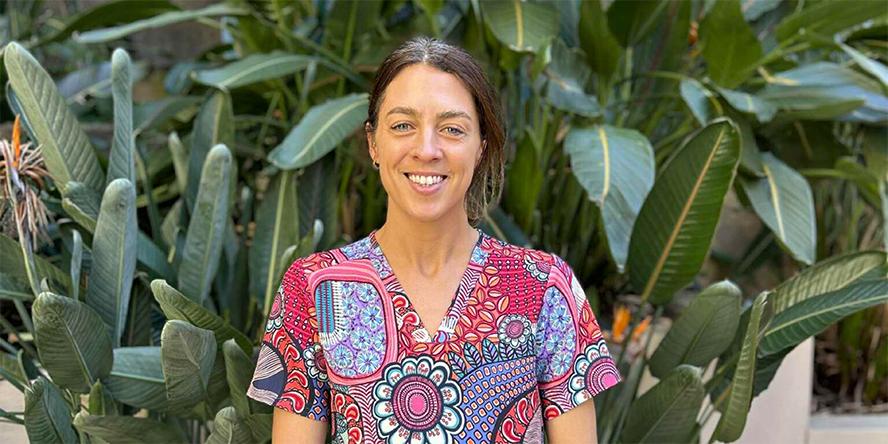
Anna
Anna is a registered nurse and midwife at the Royal Brisbane and Women’s Hospital. With 10 years of nursing and 5 years of midwifery experience, she has worked across birth suite, antenatal clinic, and postnatal care. Anna is passionate about providing evidence-based, compassionate support to help families feel confident and informed throughout the perinatal journey.
As a mum of 3, she brings warmth and understanding to her work and currently facilitates childbirth education classes at the Royal Brisbane and Women’s Hospital, helping parents prepare for birth and early parenthood.
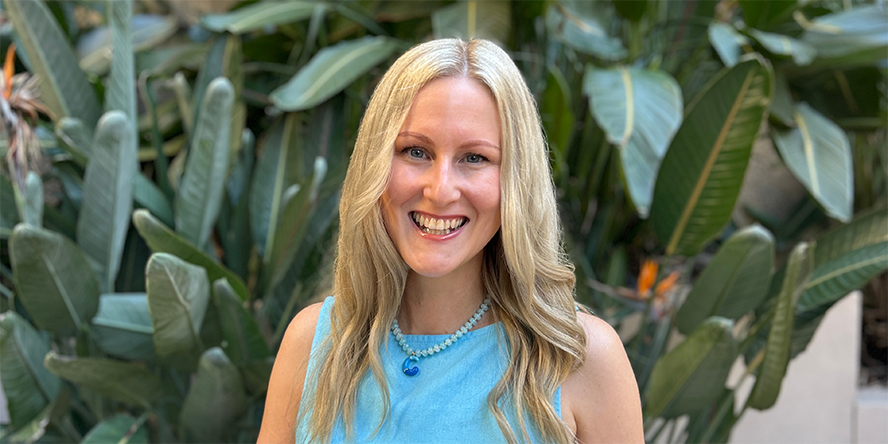
Caitlin
Caitlin is the proud mum of a busy, maths-loving and dino-obsessed 7-year-old and a sassy, creative, princess-obsessed 4-year-old. She loves the mess and magic of motherhood and manages the extra complexity of parenting a child with a disability and navigating her own physical birth injury.
In between her paid work in digital marketing, school and kindy drop offs, playdates, and kids' sports, therapy and extracurricular activities, Caitlin relishes the moments she gets to herself and the simple joys of a hot shower (bliss!), warm cuppa and chatting with her besties on the drive home from work.
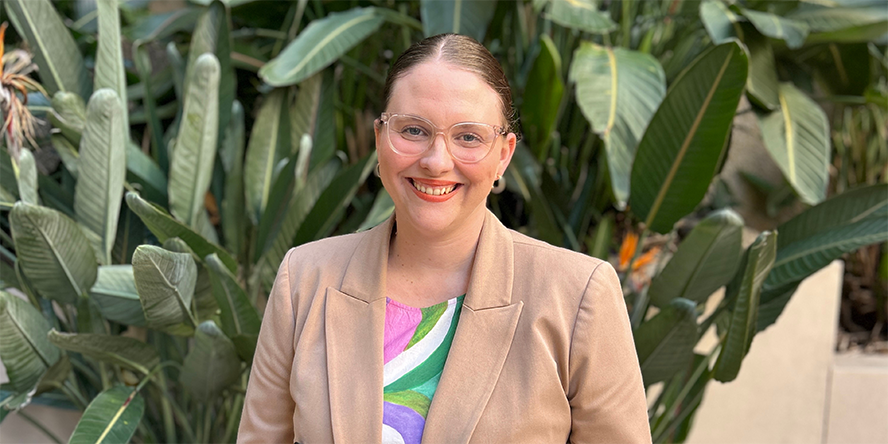
Steph
Steph is a non-birthing mum of two kids — a 6-month-old and a 3-year-old. Her wife carried both of their babies and is currently a stay-at-home mum while Steph works full-time in communications.
As a mum of 2 little ones, Steph doesn’t have time or energy for hobbies, but when she does get the chance, she enjoys sitting down for more than 5 minutes and eating a meal when it is still hot.

Alex
Alex has spent more time raising kids than being one. He is a dad to an 18- and 17-year-old from his first marriage, and a 4-year-old from his second.
Between working in creative media and being a parent, he also enjoys playing guitar, cooking and martial arts (but only between 10pm and 12am when everyone is asleep). He lives with his 3 kids, wife and mum, leaning into the richness and chaos of intergenerational living.
Episode resources
If you or someone you know is struggling with their mental wellbeing, support is available.
In an emergency, always call Triple Zero (000).
The following services can provide help and counselling to you in non-emergency situations.
13HEALTH, call 13 43 25 84 and talk to a registered nurse 24 hours a day, 7 days a week.
Pregnancy, Birth and Baby Helpline, call 1800 822 436 to speak with a trained counsellor about the first year of your child’s life.
Parentline, call 1300 301 300 for advice and counselling about any issue that affects you as a parent. Available from 6am to midnight AEST, 7 days a week.
Perinatal Anxiety and Depression Australia (PANDA), contact PANDA on 1300 726 306 or chat online if you or your partner are feeling depressed, or you are struggling after the birth of your child. Available from Monday to Friday, 9am–7pm.
MensLine Australia, call 1300 789 978 if you’re a man and have family or relationship concerns. Available 24 hours a day.
Lifeline, call 13 11 14 (24 hours a day) if you are experiencing a personal crisis or chat to a counsellor online.
Beyond Blue, call 1300 224 636 for broad mental wellbeing support or speak to a counsellor online.
ForWhen, call 1300 242 322. Available Monday – Friday 9.00am–4.30pm.
SMS4DADS, sign up for free text messages, support, info and tips – for dads and dads-to-be.
Raising Children Network offers ad-free parenting videos, articles and apps backed by Australian experts.
Triple P – Positive Parenting Program, free parenting courses for parents and carers of children under 12.
Queensland Health Child Health Clinics, Child health services have clinics across the state to provide parenting information and support for families in Queensland. Free services may include nutrition, child growth and development assessments. You need to book an appointment for these services.
Disclaimer
The stories and conversations shared by the hosts in this podcast reflect their personal views, experiences, and opinions. They are shared for informational and educational purposes only and are not intended as a substitute for professional medical advice, diagnosis, or treatment.
Queensland Health does not guarantee the accuracy or completeness of the views expressed by guests and accepts no responsibility for any loss or damage that may result from relying on this content.
If you have questions about your health or treatment, please speak with a qualified healthcare professional.
Transcript
Caitlin
Hello and welcome to season 4 of It can't Hurt To Ask a podcast by Queensland Health. I'm Caitlin.
Alex
I'm Alex.
Steph
And I'm Steph. And this is your virtual parents group. Whether you're expecting, parenting or just trying to remember the last time you finished a hot cup of tea, you are in the right place.
Caitlin
We are talking this week about all things pregnancy and mental wellbeing. But before we get into that, how's everyone going? How's your week been?
Steph
I can kick things off. this weekend we actually went down to, the in-laws place and, um, stayed over, which was lovely. They were looking after the kids and we got to have a rest, which was so nice.
But, um, it was like one of those moments where you're like, oh. Do you remember me? I'm still here. Like the kids were just obsessed with the grandparents. But anyways, it was so nice to like have that relaxing time, definitely felt forgotten over the weekend. In a good way. In a good way. It was really nice. How about you, Alex?
Alex
Yeah. Take it while you can get it. I think so. Yeah.
Steph
I think that's probably a good problem to have. Yeah.
Alex
Um, yeah, I'm good. I mean, we had a really interesting discussion around the dinner table this week.
My daughter, who's 16 is now going to an all-girls school and she came home talking about second wave feminism this week.
And we had an interesting discussion around the dinner table. And I gotta say I was a little bit outta my depth on some of these things.
She's coming into the world as her own person now. And it really kind of makes me wonder how our 4-year-old is going to grow up and the things that she's going to be exposed to and, and the world she's coming into. So yeah, it was a, it was a really interesting week,
How about you, Caitlin?
Caitlin
Educational dinner chats! Something for me to look forward to.
Alex
Absolutely, yes.
Caitlin
I, I get a lot of dinosaur information, so, not as interesting to me as second way feminism, but still good facts. Um, I, I've had a great few days, I've had a little bit of time off work, so I actually got to go up to school and kindy and volunteer.
And it was really special to observe them in their space with their friends, with their teachers, and they loved me being there.
It was really cool. It made me reminisce a bit about my mom and how she came up to school and did craft And yeah, I definitely didn't take it for granted.
Alex
Yeah. It's lovely to get involved and see them in that world that you just never really get to see all that much. Absolutely. Yeah.
Well, uh, before we get started, we would like to acknowledge the Custodians of the land on which we record this podcast, and for us, that is Meanjin, and that's home of the Yuggera and Turrbal people.
So we pay our respects to Elders past and present and extend that respect to all Aboriginal and Torres Strait Islander listeners, and especially all the carers and parents out there raising the next generation.
Steph
Just a heads up, if pregnancy is a sensitive topic for you right now, feel free to skip this one.
We've also included support resources in the show notes.
We're joined today by midwife Anna, who works at the Royal Brisbane and Women's Hospital. We're so lucky to have you. Anna, can you tell us a little bit about yourself and what you do?
Anna
Thanks for having me here.
So I'm a midwife. I've been a midwife for about 5 years now. Um, before that I did nursing. So I've been a nurse for about 10 years. I've got 3 children at home, 9, 7 and 2. Nearly turning 3.
I've been working at the Royal for 5 or 4 years.
And I've worked in birth suite, community midwifery service, um, and antenatal clinic as well. And now I'm doing the, antenatal education classes for the Royal, which is really, good teaching all new moms and new parents, what to expect and, the birthing journey and the postnatal journey, and also the antenatal journey as well.
So, yeah, it's a little bit about me.
That's super interesting to hear, Anna. Um, tell me how does mental wellbeing come into play when we're talking about pregnancy?
Yeah, so it's really interesting. I think we focus purely on, you know, the labour and birthing, and what to pack in their hospital bag, what to get for the pram, but your mental health is such a big thing, especially, when you're pregnant, to kind of look after that as well, and to get on top of that as well. Um, so it's not just your physical, um, where you're feeling sick or nauseous, um, also your body's doing all these, um, your hormones are going rife.
So estrogen and progesterone, they're doing full circus acts in your body. They can absolutely affect your mood. One day you might be like, oh, this is great. I'm really excited that I'm pregnant. Um. Next day you might be like, oh, I'm crying in the supermarket.
Caitlin
We often hear about that pregnancy glow and, I'm a sceptic. I don't know if it's true or not, certainly wasn't for me. Um, you know, in reality for some of us, it can look like having a spew after brushing your teeth or being up late at night, worried Googling symptoms at 3:00 AM.
Anna
So pregnancy glow, I feel like people post these beautiful photos of their beautiful bump. Not all the time people are feeling like that. Especially if you're dealing with hyperemesis or nausea or if you've got a high risk pregnancy,
That's not always what it's like. Some people really struggle through their pregnancy and sometimes struggle to connect with their baby. Some people do feel that glowingness and some people do get that, but if you're tired and waking up through the night and then you're nauseated and you're vomiting and you like, haven't slept, it's not always going to be like that.
Caitlin
I did love being pregnant, but I did struggle at the same time. And, particularly during my daughter's pregnancy, I was pregnant during COVID. Mm-hmm. Uh, and that was you know, really different from being pregnant before with my son, not during COVID times 'cause I was at home all the time.
Um, I had complications with my son's pregnancy and he was born premature, so I got really good advice to be extra careful with my health during my daughter's pregnancy, because if she was in special care and I had COVID, I would be separated from her. And of course, I didn't want that to happen.
I felt like I was just getting everything wrong. I was very scared of being sick. Um, I didn't see my friends. I felt lonely and I didn't realize, but my mental health suffered and it wasn't until I saw my auntie and my auntie said to me, are you okay? You don't look okay.
And I realized I'm actually really unwell but it took my auntie saying to me, here's my psychologist's number, I think you should call her and get some help, um, for me to realize how bad it had gotten, um, I felt quite ashamed. 'cause I don't think people talk enough about mental wellbeing during pregnancy. They talk about, mental wellbeing after you have your baby, the baby blues, all that sort of stuff.
Um, but there is this sense that I had of um, shame because I was pregnant. Like, shouldn't I be happy? And, you know, my dreams are coming true. I'm so lucky and, yeah, I think that formed part of me not seeking help, because I felt, yeah, that, that disconnect from what my reality was and then for how I should be feeling.
Sometimes, you just do need a professional to step in and give you the tools that you need. And it changed my life. It made all the difference. I'm so glad I got that help. Um, and I wish I had done it sooner.
Anna
Sometimes it's also you are in it. When you're in the thick of it, you're just surviving day by day and it shouldn't be, but when you're surviving, you're just on the bottom of the priority list, and so someone who loves you in your close network they know when you're struggling to come in and say, oh, hey. I think maybe it would be good for you to see someone who looks like you're struggling, which it's a good thing that they've come to make a suggestion. You go, oh, actually, yeah. I'm not actually, okay. I'm barely surviving.
Caitlin
It gives you permission too.
Anna
Yes. To be able to do it.
Caitlin
It's, yeah. It's like it is okay for you to seek help because I think you should. Yeah. Yeah.
Alex
Do you feel like you had like a, a lot of responsibility because you're in that caring role, you've obviously got a toddler at home, you're pregnant as well.
Do you feel like it's more like I have to cope because I am the carer here and that's maybe why choice? I don't seek help.
Caitlin
Yeah. You don't have any choice, do you?
Steph
You can't stop, you know, and that was. That was a really, you don't get to really have a mental breakdown.
Caitlin
No. You know, there's no time. There's no time.
Anna
You've just gotta, that's how you feel. You're allowed to have time to yourself, but that's how you feel is a,
Caitlin
And it's confronting to feel that way. I couldn't believe I felt like that because I had this gorgeous little boy and I had this baby in my belly and I had so much privilege, you know?
And yeah, it's like this, um, cascading effect that happens where you, it get gets out of control. 'cause I should have really got help way back before it got to that point. Yeah.
Anna
It's good that you, um, reached out for help. That's, yeah. Thank goodness.
Thank goodness. Yeah.
Caitlin
Thank goodness for my auntie. Yeah. Yeah.
Anna
So it's really important to know what signs look, look out for things that might suggest someone's mental health or wellbeing isn't in a great place. Is that, that constant worry that doesn't go away, that feeling, of feeling flat or tearful all the time.
Having trouble sleeping. Now through pregnancy, your sleep does get a little bit altered because you are going up to the toilet quite a bit. Uh, but if you are staying awake and not able to sleep and it is affecting your mental health, then that is, um, a symptom of, your mental health deteriorating.
You might feel irritated, or on edge and feelings of failure and feelings of not coping, repetitive negative thought patterns and the thoughts of obviously suicide as well is a really big indicator. And please go get some help if any of those things are happening in your pregnancy.
Sometimes the expectation would build up about pregnancy, don't quite match the reality, and maybe you thought you'd be glowing and nesting and feeling deeply connected to your baby, but instead you're anxious, overwhelmed, or even feeling disconnected. So that gap between expectation. and reality can be really unsettling for people who are experiencing that, especially, if you've struggled to get pregnant, um, and then you feel bad because you, you know, you've got the baby, but you still have all that anxiety.
The other thing I wanna say is that perinatal depression, anxiety recognized mental health conditions affecting one in 5 mothers and one in 10 fathers.
So it's a really big thing. We don't talk about it enough, especially in that antenatal period, but it's something that we need to work on and, um, kind of talk about and get help if you need to get help.
Alex
It's interesting also that you mentioned mothers and fathers as well, because I guess they can be like a lot of anxiety for their partner. Um, yeah. just because you are that kind of step removed and it might be changing your whole world and you're not quite sure how to navigate that as well. What are some of the services or areas people can reach out to for help Anna?
Anna
The most important thing is to talk about it. Tell the health provider managing your pregnancy about your mental health condition and tell your mental health care provider that you're pregnant
Together they can help you manage your pregnancy and your mental health. So some of the services are Panda, which is the Perinatal Anxiety and Depression Australia.
Uh, Beyond Blue, they have a parent line that you can contact, the other one is COPE, which is Center of Perinatal Excellence. The website links you to perinatal, specialists in the area. So if you put your postcode in, it will link you to people in your area, um, and also let you know if it's bulk billed.
SMS for dads, is a regular service, that you send a text or the, dads send a text to SMS for dads and they'll, you know, send a few messages, antenatally. And then once bub's born, as well. There's other, services and organizations that we'll put in the show notes for you.
So have a look there as well.
Alex
Thanks for detailing all those. Anna. It's really interesting to know that there is actually so much support for parents out there and I just urge anyone who is struggling or just feeling like they need a bit of help to reach out 'cause this can be a super enjoyable time.
It can bring families really close together and it's something to look forward to ultimately. So yeah, please do reach out if you need anything.
Steph
Mm-hmm. You deserve to enjoy it. Absolutely. Yeah. It doesn't have to be that way. There is support out there. Yeah.
Alex
We've got a story from Amy. Uh, she's pregnant with her first baby and has had a bit of a tough time with morning sickness, so let's hear her story.
Amy
So the first trimester was really tough for me mentally. I had severe nausea and vomiting that lasted for 11 weeks. I felt like a living corpse. I knew it was something that was happening because of the baby, um, which made it really hard to feel excited because I knew that's why I was feeling so awful.
Had no idea when it was gonna end, and the thought of feeling that way for 9 months was overwhelming.
Some mornings I'd wake up and feel like the room was spinning, like I was stuck on a merry-go-round, and I'd be sick straight away.
Honestly, I can't imagine how hard it must be for women who have jobs that require them to be on their feet all day. What I went through was rough enough. I have so much admiration for those, doing it in even tougher working conditions.
Caitlin
Oh gosh, poor Amy. I can really remember that feeling of being so unwell.
Anna, is this common and what actually is morning sickness?
Anna
Uh, that first trimester is terrible with the morning sickness, and it shouldn't be called morning sickness.
It should be called all day sickness. Mm-hmm. 'cause it's not always the morning, that they're experiencing it.
Caitlin
Very true.
Anna
there's very little research done on like differentiating between hyperemesis, and morning sickness.
Steph
My wife in, her second pregnancy had, HG and it was, completely debilitating
It's full on, it's all the time. She was, so strong trying to like, carry on. And, you know, we had a toddler at the time too, which was obviously, an added stress.
But it was just such a challenging time for, for her and for me.
Is there anything that people can do, when they're pregnant and, and feeling that way? Is there anything that helps?
Anna
So there are being, being constantly nauseated and vomiting all the time would be horrendous. And not being able to keep your food down and like the smell of foods triggering you and then trying to eat, but you can smell the food and you're like, oh, it's gonna be hard to eat.
There are some tips that I, would give to my patients that I see. So avoiding, um, really fatty rich foods, um, that can obviously worsen your reflux and nausea. Eat small, frequent meals so crackers, toast, anything that is quite bland. Foods that are high in vitamin B6, um, that can also help reduce nausea, particularly during your pregnancy.
You can use electrolytes, mineral water, soda water is good. Ice blocks to suck on, ginger can help reduce that nausea,
You know, hyperemesis, I'd be going down and talking to your healthcare professional and getting some, stronger, medication to help keep and tolerate fluids.
Caitlin
Such good advice.
Yeah, thank you.
Anna
And trying and trying to rest as well. It's such an important thing.
Especially it's hard when you've got another baby at home or a toddler at home that you're running around after.
Steph
Yeah. And I think for us it was just a season of like getting through it. Yes. And surviving and so, you know. That meant getting food delivered or groceries delivered. Watching TV all day, like things that aren't necessarily the best for everyone, but it's about that survival mode.
And I think it's okay to give yourself that grace to do that because it's not forever, it's temporary.
Anna
Such a good point that you say that. Yeah, it's only for, for 9 months. It can be debilitating obviously for your mental health and when you're living day in, day out with this.
Try not to focus on the negatives, which I know can be really hard when you're so sick all the time. Um, but that's a really good point that you raised, is that it is only temporary.
Caitlin
Yeah.
Alex
It's really interesting, this whole, um, conversation around what, what makes you feel sick. And then I guess on the other end of the spectrum, you have like the cravings, right? There's things that you just your, your tastes change. And I know for, for my wife, like when she was pregnant, she never had a sweet tooth, but she would just hunt the ice cream.
Cookies and cream. Cookies and cream. Again, more cookies and cream.
Steph
Yeah. Good choice.
Caitlin
With my daughter, I ate bags and bags of jube lollies
And it's, I know it's an old lady lolly, but I stand by it. Um, they, honestly got me through that's said the lolly choice, not the amount of lollies.
Steph
Like you could've picked a better lolly.
Caitlin
There's why would, there's a lot of options. I would eat those jubes all the time.
Alex
What about your wife, Steph? Did she have anything that would help her?
Steph
Chips and gravy. Chips and gravy. I had to like hunt that down.
'cause like not always they would have the right gravy. It was really hard to find the right one.
Anna
And that's the other thing with, hyperemesis or all-day sickness, if you find something that you actually can tolerate, then try and eat that.
Probably by the end of your nine months you'll never wanna see it again. Yeah. But if that's something that chips and gravy then have it. Exactly. Yeah. It's about that survival. Right.
Caitlin
Women are amazing, like women are amazing. Seriously growing a human being. I still say it to my kids like, do you know who grew your eyeballs?
And they're like, mummy, like all the bones in your body, where did they come from? Mummy grew them. I'm like, you are right. I did all of that and like it's pretty incredible if you think about it. It's crazy. Growing a life. Go women.
Alex
So let's talk about something really fun now, which is bonding with your baby before they're born. We don't often talk about this, so how does that work and what does it look like any thoughts?
Steph
When my wife was pregnant with our first, we spent a lot of time setting up her room, like the nursery and like, we even did silly little things. We'd try and like change a nappy on a teddy bear and put the teddy in the carrier just to test it out and like, we were just so excited and that was a really nice feeling. And then the second time around, it felt like really nice to do it as a family and to, involve our toddler. So we did the, changing of the nappy, but with her, she would talk to my wife's tummy all the time and, it was such a nice way to like all connect and to be like, you know, focused on this is why we're doing it because it's, for our family. Yeah.
But Anna, is there any other tips that parents can, uh, use when they're, getting ready for baby to bond with them?
Anna
Yeah, so connection during your pregnancy.
Like you said, uh, changing nappies with your daughter to, get her used to that there's baby coming. That's really good bonding time for you and for you as a family as well. When a pregnant mom starts talking or singing to her baby as well, they get used to that.
They know the sound of their voice as well. Reading little stories. Gently rubbing, responding to kicks, when their baby is kicking with a soft nudge or a rub, that is building a relationship with bub when you're doing those things.
Quiet moments you can do so some journaling, some writing down of different things that baby might, um, do or the feelings that you're feeling with bub can be really good. Having a warm bath, going for a nice walk reflecting on those moments with bub, slow down and try and connect, 'cause we live in such a fast paced world now where we're just all constantly on our phones doing things all the time.
Especially if you're running around after, you know, your other kids.
So things like attending any natal classes for partners, or your support partner, is really, important. It's not just a journey for yourself. It's a journey together, and it does help that bond, obviously, when you go to those antenatal appointments.
Caitlin
Gosh, you brought back so many memories, all the things you were saying then Anna, it's so beautiful. It, um, made me really remember how I was able to connect with both babies and the kicking, I would eat chocolate 'cause I knew that would make the baby move.
And then, you know, giving them little, little poke back and then they'd kick you and then you'd poke them. It was like a little conversation, I suppose. My husband and I really enjoyed singing certain songs to the babies and then when they came into the world singing the same songs and yeah, it felt, um.
Like you'd already established this sort of system of how to calm your baby, 'cause they knew the songs and they knew your voice. And it really helped my son understand that a baby was coming too. He loved, um, touching my belly and I was lucky I had the placenta at the back so you could see like feet and elbows or it was really obvious which body parts were moving in there.
So that was cool for him to see a little foot poke out and, you know, he'd poke it back and, and find that hilarious. It made me think of the scans too. I, I know it's not necessarily connecting with the baby, but getting to visualize them and seeing a photo of them really helped, especially my husband, he'd go, oh wow, look at you know. their long legs or look at their little nose. I wonder who they look like. And that was such a cool moment too, to get, to be able to see them in like the photo on the image.
Anna
And having that conversation with your son or, um, with the sibling about, this is a baby.
They're gonna be here soon. This is what they look like. It's all that, building that connection, that's part of it.
Caitlin
Yeah, it really does. Well, let's hear from Amy again. This time she's gonna share how she started bonding with her baby already.
Amy
Halfway through the pregnancy, I've just started to feel the baby move. And honestly, it's one of the strangest but coolest sensations. It feels like tiny bubbles popping in my lower tummy. I keep trying to get my husband to have a feel too when it happens, but every time I grab his hand, the baby suddenly decides to get shy.
Typical, uh. I think we'll start talking to the baby more and playing music too. I'm a big fan of 80's music and my mum actually told me she used to play it when she was pregnant with me. Maybe that's why I have a love for it. Um, so I'd love to pass that on.
Alex
I love that so much that she's finding a way to really connect with the baby at the moment. Uh, it takes me back as well, you know, all these memories. And I think one of the things that I, I focused on a lot was, you know... The baby doesn't have all of the senses on the external side yet, but sound is a big one.
Right. And so yeah, that music, we were playing music a lot and I remember being very careful with the kind of choice of music that I would play. It wasn't always like curating my usual kind of playlist. It was maybe something a bit more.
Anna
You're like, you're gonna listen to this music. Yeah. This is what you're gonna like.
Alex
Exactly. I mean, I do remember like trips to the seaside being really special kind of, and, and being. In the waves and just knowing that soothing sound of the ocean and, and the feel of the water. And we would take a lot of photos when we go on those trips as well. So we've got a really nice memory of kind of the big baby bump by the beach.
Just that kind of all in together, like you said, that way to connect.
So then that leads us into the topic of birth. Um, obviously it's a huge life moment for everyone involved, which we'll talk about in the next episode. But for those expecting, what does preparing for birth look like?
Anna
It's really important to prep mentally, for your birth. Some of the things that we can do or that you can do, learn about the birth. So antenatal classes go together. Understanding what's happening in your body, during labour can take away a lot of that fear. But it's also learning the range of ways birth can look, not just the textbook version.
You know, setting that expectation and knowing the variances that may happen in labour is really important as well. 'cause if you go in like not knowing what may happen, um, that can really, obviously may affect, how your labour goes as well.
So breathing exercises, visualization, mindfulness, can really help. So, sticking up little affirmation cards are really, good, and helpful, especially if in your early labour at home.
Get clear on who your support team is going to be. It's so important. You know, you can say no to people that you don't want to be in your space. It's such a big thing in your life that you're going to go through.
And having those people who know, um, what's best for you and who are going to advocate for you, um, is really important as well. It's all about feeling safe in birth as well. If you're carrying any fears, trauma, um, or expectations, it's worth naming them.
Sometimes just acknowledging those thoughts really takes their power away. Um, and staying flexible, having preferences is great. Um, but holding onto them gently is key. birth is unpredictable and being mentally prepared means knowing that you can cope even if things can change.
And finally, be kind to yourself. It's such, it's such a big transformative moment in your life. Give yourself permission to feel all the feelings, ask for help to rest and to trust you're stronger than you think. You are amazing and you can do this.
Caitlin
Hmm. Such wise words. Anna, I could just imagine you being in the room and being such a beautiful support to women birthing their babies. So lovely to hear you say all those. Yeah, like really empowering things.
Yeah. Thanks. Yeah. Birthing is such a, a mental game, it takes a bit of work to prepare. I'm glad I did a lot of work to prepare 'cause I think it helped me, feel good about the choices I made and, and the outcomes of the birth of both of my children.
Do you have any specific activities or tools or, or tips?
Anna
Yeah, so TENS machine is great for that early labour, especially if you're at home and you've got back pain.
The other one is the comb. Um, is really good for the hypnobirthing do that with the comb as you're having contraction, it kind of alters the sensation of pain, um, distracts you essentially. So as you are having that, um, surge or that contraction, you hold onto it and it alters the pain.
I talk about in my antenatal classes that I do the, um. Five senses. 'cause birth isn't just physical, it's deeply sensory. So I'll just briefly talk about them.
So sight. Think about what you're visualizing in your room. Um, maybe it's like soft lighting fairy lights. We don't want a bright lit room when you're in labour that will alter it.
Next one sound. Sound can be incredibly, grounding. this is before labour. Setting up a playlist of things that you want. It could be like ocean waves. It depends what you like. I've literally had a birth where a woman was listening to heavy metal music as they, yeah.
What a boss. All kind. Yeah. Yeah. Heavy metal. So it is just up to, you know, what preference, um. The woman wants.
Smell, uh, is so powerful for the nervous system. So essential oils, you know, if you've got a candle that you wanna light around the house, and you can bring that into the hospital as well, when you go in.
Touch can soothe and distract, um, using a comb, like I said, or massaging, um, accu pressure points. So looking up this antenatally, knowing where the pressure points are for labour, and if you've got pain getting your birth partner to push on those points that are sore, or soft, it's up to you.
Taste. Um, so in labour, your digestive system slows down, so try not to eat big meals, try and eat little meals.
Um, lip balm. 'cause especially if you're using the gas, you can get quite dry lips. Um, so using moisturizer around your lips as well.
Steph
Yeah, I love that. Thanks Anna. Um, there's some really great tips and um, I also really liked what you said earlier about, learning as much as you can and about knowledge being power. I really found, um, for me that it was important to learn as much as I could, and that really helped ease my anxiety as a partner, like to know what my wife was going through and how I could support her.
And I also like tried really hard to work out what her preferences were. and that ended up being super important, uh, 'cause she was, you know, unconscious for a period of time during her first, birth and I did have to make some really difficult decisions on her behalf. So, um. Knowing what her preferences were like, helped me to feel confident to make the right decisions in that moment.
What else can, partners do to, support their person giving birth or also, um, themselves? 'cause you know, it can be difficult sort of standing on the sidelines sometimes and seeing it all play out and feeling like you, um, are a bit outta control in the situation.
Anna
There is things that you can do. Mm-hmm. Um, so like you said, having a discussion with your partner before the birth happens, um, this will help you support them in their decisions.
Um, women don't often articulate a lot during labour, and that's a unique capacity of the human brain, to quieten down. Normally our conscious awareness as a result of the circulating labour hormones, oxytocin, and endorphins. So this is an extraordinary gift of evolution. These hormones are responsible for making the uterus contract and act as a natural painkiller, but also released into the brain, stop the mind's constant reflection on the physical and intense nature and progress of labour.
So. Um, remind them how to relax and to breathe. making sure that they get, water or, setting up different stations around the house as well and getting them to move around when they're in that early labour. Timing, contractions. you can get apps now thatwill time it for you.
You just have to click a button and then they'll tell you if you need to call the hospital. Reminding your partner to go to the toilet every 2 hours as well in labour is, um, something that you can do. It just your bladder is literally next to your uterus. So if it's really full, your baby's head doesn't come down so it can stop the progression of labour. Being their advocate, um, giving them lots of praise. They're doing an incredible job.
So when you need to go to the hospital, get the bags, get the things, get the speaker. Make sure that's all packed. She's not going to want to be thinking about that. That'spartner to be able to do that. So have those things. Talk to your partner about what their birth preference preferences are.
And attending those antenatal classes so that they're informed and kind of know what to expect for the progression of labour and what to expect as well.
Steph
Mm-hmm. Yeah, I remember during, my wife's, labour with our daughter, like the first time around. I was very much like, oh, you're doing so well, like just a little bit more.
You are like, you're almost there. Like really being our advocate. And afterwards she's like, how did you know? And I was like, I had no idea what was going on. I was clueless. I looked down there, I was like, I don't know. But I just was saying, you can do this. You got this only a few more pushes.
You know, it's just about that like positive mindset and just like being, like having their back and supporting them like, 'cause you're just as clueless. I had no idea what was going on. It's just like, yeah, pushing them forward and supporting them in any way that you can.
Anna
Yeah.
Because those little things might not seem much for you, but when they're really struggling and they're hearing, oh, you're doing a good job, they're like, okay, I've got this, I'm doing this. Yeah. And if they're getting a little bit outta control, which can be normal through labour.
Trying to bring them back and focus on, you know, it might be their breathing let's, you know, you do the deep breaths with them to try and focus on that. Um, 'cause when you get tired, that's when they start going like down the, oh, I can't do this. I'm done. I'm done. Sometimes it can be that they're transitioning and you know they're gonna have a baby soon, but you just tell them to keep doing it.
They're doing an amazing job.
Alex
Some really wonderful tips there, Anna, um, around preparing for birth. And obviously we're talking about a vaginal birth in this instance, going through labour and delivering the baby that way.
Um. Early on my wife had indicated that she wanted an elective caesar. I'd previously gone through 2 other labours, with my first wife that had both resulted in an emergency caesar, and I saw the impact that that had had. So anyway, she went along with trying to deliver, vaginally but it did end up in, in an emergency caesar. And I guess, uh, from my point of view, I wish I'd listened a bit more and been that advocate that we're talking about being for the partner, that really it is the, the woman's birth, it's her body, it's her baby, and it's her choice.
And I think I could have been a lot more supportive in that instance from the get go. So what are some of the things we should consider when we're talking about cesarean birth, whether that's elective or emergency?
Anna
Yeah, it's a really good point, um, that you mentioned that. So obviously, we're talking about, um, mind frame and kind of what to expect, when you're going into labour, that it may lead to a cesarean for whatever reason it may be, or even if you've chosen to have a cesarean section.
Some of the tips that I give to mums is, making sure that you get undies that aren't on the scarring line, even if you are going in for a vaginal birth as well.
It's big abdominal, massive abdominal surgery. Um, so be kind and gentle to yourself.
You are allowed to pick up the weight of your baby, and that's about it. So, having things in, your house. To accommodate that as well. So when you are after your caesar, we recommend like as if you're heavily pregnant, to get up just to protect that, um, wound as well.
Caitlin
Such good advice. I, I know I've had both types of births and I think the advice you've given relates to any sort of, birth type that you have. You know, that advice of being kind to yourself, taking time to recover, taking it slow and going into childbirth really informed and knowing, all the options and all the outcomes that might happen, having the support around you.
All these things are so helpful. So thank you for all of your advice. Anna.
Anna
Thank you for having me. It's been great conversation today.
Caitlin
Before we wrap up, can you leave us with three key takeaways for expectant parents who are listening?
Anna
Sure. So my first one is nurturing your mental health is just as important as your physical health. So pregnancy brings huge emotional and hormonal changes. It's okay to feel a mix of excitement.
Fear and everything in between. Prioritizing rest and seeking support and being kind to yourself makes a real difference for both you and baby. Two, connection starts now so your baby can hear your voice and feel your movements talking, singing, playing music, um, or simply resting your hands on your belly can really help you and your baby begin that bond well before birth and that's helps partners and siblings connect too as well.
And three, you don't have to do it alone. Reach out to your support network, whether that's a midwife, GP, mental health professional, your partner, your friend. Um, asking for help isn't a weakness. It's a strength and a protective factor for your growing family.
Alex
Thanks, Anna. They're really helpful tips to sum up with.
Uh, remember if this episode brought up anything for you, positive, negative, or otherwise, we've got links to support you in the show notes. Unfortunately, the producers wouldn't let me share my ice cream recipe in the show notes, so you'll just have to make up your own.
Caitlin
How do you follow that?
Steph
I can't, I can't. I. Next episode, we're not talking about ice cream unfortunately, but we are talking about, uh, navigating the newborn stage, those first 3 months that feel like both 5 minutes and 5 years.
Caitlin
We'll see you then and until the next episode, go easy on yourself.
Welcome again to parents group, and if no one's told you today, remember you're doing a great job. Bye.
Alex
Butter scotch Chocolate. boysenberry.
What is a boysenberry like? Has anyone ever actually eaten a boysenberry?