

Summary
This episode is part of the It Can’t Hurt to Ask: Parents' Group
What happens when your baby starts moving, and your sense of identity starts shifting?
In Episode 4 of Parents' Group, Season 4 of It Can’t Hurt to Ask by Queensland Health, your hosts Steph, Alex and Caitlin talk about the 3–12 month stage of parenting: the joy, the overstimulation, and the weird feeling of not quite recognising yourself anymore.
Child Health Nurse Megan joins us to explain what emotional development looks like in babies, why it’s okay to feel 'touched out,' and how to connect with your little one and yourself during this stage.
We also hear from Brittney, a mum navigating early parenthood while living in a regional town, who shares honestly about isolation and identity.
Featured in this episode

Megan
Megan is a clinical midwife currently working at Waijungbah Jarjums- an Aboriginal and Torres Strait Islander maternal and child health service. Megan’s role encompasses antenatal education, child and family health and postnatal support to better provide care to our First Nations community on the Gold Coast.
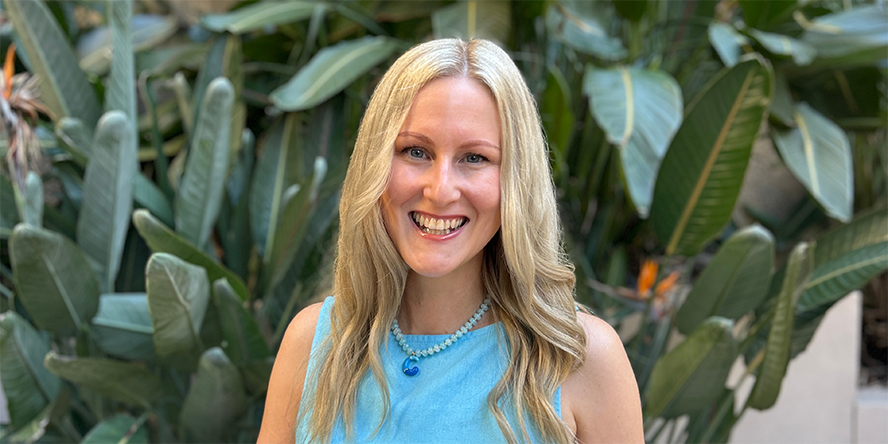
Caitlin
Caitlin is the proud mum of a busy, maths-loving and dino-obsessed 7-year-old and a sassy, creative, princess-obsessed 4-year-old. She loves the mess and magic of motherhood and manages the extra complexity of parenting a child with a disability and navigating her own physical birth injury.
In between her paid work in digital marketing, school and kindy drop offs, playdates, and kids' sports, therapy and extracurricular activities, Caitlin relishes the moments she gets to herself and the simple joys of a hot shower (bliss!), warm cuppa and chatting with her besties on the drive home from work.
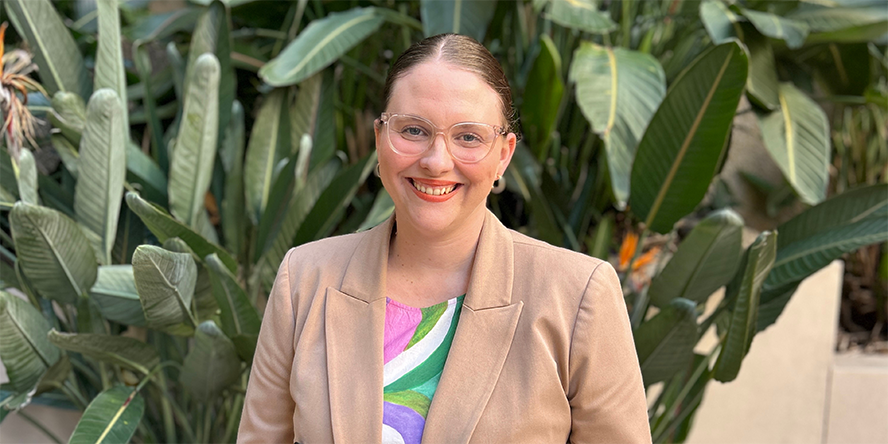
Steph
Steph is a non-birthing mum of 2 kids — a 6-month-old and a 3-year-old. Her wife carried both of their babies and is currently a stay-at-home mum while Steph works full-time in communications.
As a mum of 2 little ones, Steph doesn’t have time or energy for hobbies, but when she does get the chance, she enjoys sitting down for more than 5 minutes and eating a meal when it is still hot.

Alex
Alex has spent more time raising kids than being one. He is a dad to an 18- and 17-year-old from his first marriage, and a 4-year-old from his second.
Between working in creative media and being a parent, he also enjoys playing guitar, cooking and martial arts (but only between 10pm and 12am when everyone is asleep). He lives with his 3 kids, wife and mum, leaning into the richness and chaos of intergenerational living.
Episode resources
If you or someone you know is struggling with their mental wellbeing, support is available.
In an emergency always call Triple Zero (000).
The following services can provide help and counselling to you in non-emergency situations.
13HEALTH: call 13 43 25 84 and talk to a registered nurse 24 hours a day, 7 days a week.
Pregnancy, Birth and Baby Helpline: call 1800 822 436 to speak with a trained counsellor about the first year of your child’s life.
Parentline: call 1300 301 300 for advice and counselling about any issue that affects you as a parent. Available from 6am to midnight AEST, 7 days a week.
Perinatal Anxiety and Depression Australia (PANDA): contact PANDA on 1300 726 306 or chat online if you or your partner are feeling depressed, or you are struggling after the birth of your child. Available from Monday to Friday, 9am–7pm.
MensLine Australia: call 1300 789 978 if you’re a man and have family or relationship concerns. Available 24 hours a day.
Lifeline: call 13 11 14 (24 hours a day) if you are experiencing a personal crisis or chat to a counsellor online.
Beyond Blue: call 1300 22 4636 for broad mental wellbeing support or speak to a counsellor online.
Connecting2u: sign up for free text messages, support, info and tips for during pregnancy and after you have your baby.
ForWhen: call 1300 24 23 22. Available Monday – Friday 9.00am–4.30pm.
SMS4DADS: sign up for free text messages, support, info and tips – for dads and dads-to-be.
Raising Children Network: offers ad-free parenting videos, articles and apps backed by Australian experts.
Triple P – Positive Parenting Program: free parenting courses for parents and carers of children under 12.
Queensland Health Child Health Clinics: Child health services have clinics across the state to provide parenting information and support for families in Queensland. Free services may include nutrition, child growth and development assessments. You need to book an appointment for these services.
Note
The stories and conversations shared by the hosts in this podcast reflect their personal views, experiences, and opinions. They are shared for informational and educational purposes only and are not intended as a substitute for professional medical advice, diagnosis, or treatment.
Queensland Health does not guarantee the accuracy or completeness of the views expressed by guests and accepts no responsibility for any loss or damage that may result from relying on this content.
If you have questions about your health or treatment, please speak with a qualified healthcare professional.
Transcript
Steph
Hello and welcome back to It Can't Hurt To Ask, a podcast by Queensland Health.
I'm Steph.
Alex
I'm Alex.
Caitlin
And I'm Caitlin. Thanks for joining us again as we move through the early years of parenting, one age and stage at a time.
Alex
Each week we talk about supporting your mental wellbeing as a parent and how to help your little one grow emotionally strong and connected.
Steph
This week, we're in that 3-to-12-month window. Maybe bub is rolling, crawling, or trying to climb something that is wildly unsafe.
It's a big stage of growth for them and for us. Before we dive into all of that, how's everyone holding up this week? Big question.
Caitlin
Yeah. I mean, it's been a big week for us. I think everyone's tired, bit cranky. There's been a lot of big feelings after school in kindy and you know, it's hard kind of trying to manage everyone's different needs and different feelings.
And I've been defaulting to my go-to survival strategies of after school ice creams and let's go to the park and let's try and play a game over and over and over and over till everyone feels loved up and okay. And sort of just getting us through those tough afternoons. It's working, but I'm a little bit tired, to be honest.
Steph
Yeah.
Caitlin
Yeah.
Steph
Yeah.
Alex
For us, uh, our little one is nearly four, and so we're getting ready for a birthday party. I feel like we've been in preparation mode for 3 months maybe.
Caitlin
Okay. Yep.
Alex
We've actually had to, the kindy carers have been confirming with us that it, it isn't actually her birthday today. Is it like, 'cause since with us too.
Yeah. Every day. It's my birthday tomorrow. Next day: it's my birthday tomorrow. So apparently everyone's invited. I think half the town is invited at this point, but we've limited it to just a few friends. We went to a birthday party recently for another friend of ours.
There were only about 4 or 5 other kids, and it felt really manageable. It felt really nice. They were kind of playing well together. They all got involved in the games. One of the mums got a little ukulele out and sang the songs. It was really sweet. So, I took a few cues from that, and I think unicorn cakes, few games in the park and a limited number of children and we should be good.
Caitlin
Perfection.
Steph
Mm, that sounds good. Yeah. I think we've run our course of not having birthday parties. I think I'm gonna be in the same boat as you in a few months’ time.
But anyways, earlier this week I was trying to get ready for work, and my wife was, uh, at the gym and so I had both the kids at home, so a 3-year-old and a 6-month-old. And, you know, I thought everyone was good, all right, I'm gonna duck to the shower.
As soon as I turned the tap on and jumped in the shower and was like peak wet, someone starts crying and you know, the baby starts crying and like, oh God, okay! So, I got out and quickly dried myself off and, and ran out there and then he wasn't crying anymore because our toddler was sitting there like patting him on the head saying, it's okay, it's okay. And we call him little handsome. And so she was saying, it's okay little handsome. Aw, it's all right. And he was like, just loving all the attention. So, I was like, oh, that was such a sweet moment where she just sort of jumped in and helped out. And yeah, I just went back to my shower. I didn't even, like, I just crept back thinking, oh, if I don't disturb it, they won't notice me. I can creep back to the shower. And I did.
And they were perfect. Like, it was just one of those moments where I was like, you know, sometimes the days are really hard. But then sometimes you have those moments like that where you're like, oh yeah, like this is so special.
Caitlin
Before we get started, we want to acknowledge the Traditional Custodians on the land on which we are recording. For us, it's Meanjin, Land of the Yuggera and Turrbal people. We pay our respects to Elders, past and present and extend that respect to all Aboriginal and Torres Strait Islander listeners and parents and caregivers out there.
Steph
Today, we are joined by Megan, a child health nurse and midwife with Waijungbah Jarjums. She's also a Circle of Security and Triple P facilitator and is studying to become a lactation consultant.
That's a lot of things. Thank you for being here. Can you tell us a bit about yourself and what your job entails?
Megan
Hi everyone. Thanks for having me today. I am a midwife and child health. So, what that kind of means is I can look after women all through their pregnancy, and then, you know, for that first 6 weeks when you have midwifery care and then care for families up until their baby's 6 years old and starting prep, that sort of thing. So, through my child health scope, I look at bubba's development milestones, we can help families with sleeping, settling, feeding, mental health for parents, as well as all those other little things that kind of pop up in those like early days.
Alex
Yeah, it's definitely like you, you kind of have a really good knowledge of that early childhood, hey, with all the different touchstones.
Megan
I try to.
Caitlin
It was from pregnancy, birth, all the way through to 6 years old.
Megan
Yeah.
Caitlin
It's a very wide range of different needs and care and things you would have to anticipate and have knowledge of.
Megan
Yeah. It's so amazing getting to work with families for so long, like looking after families all through their pregnancy. I have families that come back with, their four-year-olds and they're like, oh, Megan was the midwife at your birth. Like, I was there when you were born. Like, how cool is that?
It's really special. And then often the mums will come back and be having their second or third babies and I get to kind of follow them up then, so could be years that I'm like with a family. Yes.
Steph
That's so special.
Alex
So, between 3 and 12 months, babies are starting to show a lot more personality.
Megan
Mm-hmm.
Alex
Laughing, making eye contact, reaching out for connection. Yeah. Earrings, hair, anything close to hand. Megan, how do those behaviours help their emotional development?
Megan
So, you know, our children attach through the senses, especially that 3 to 12 months they, don't have that kind of emotional capacity and regulation to know my parents are over there, but we're still emotionally and like physically connected.
So, they're really wanting to connect through their senses.
Alex
Such a good phrase. Sorry to interrupt, but I just really want to stick with that. Like, the babies connect through their senses. I never really thought about it. That's so interesting to think about. Yeah, of course.
Megan
Yeah. So, the people that they are closest to, you know, you think they were inside mum for 9 months.
Alex
Yeah.
Megan
They're hearing their siblings’ voices, they're hearing their, you know, dad’s or their mum’s or their aunties’ or grandmas’ voices while they're inside the belly. So, when they come out, that is the environment that they are used to hearing is definitely one of their senses. The smelling, the looking, the touching, all those things.
So, it's so good for their emotional development to be with them and be close to them and have them in your house with your smells and all those things, and they kind of attach to their parents through their senses.
Steph
Mm. I love that. That made me, I had little tears in my eyes.
I saw you seeing. You looked away. I was like, yeah, don't look at me. The just what got me was the hearing the sibling’s voice because that's so special. And you know, as you know, toddlers are loud, so he probably heard a lot of his sibling in there, but they have such a strong bond, like from day dot, and I dunno what it is.
Like, I think some of it's probably just a bit of luck, but yeah, they're just, they're obsessed with each other and they both just light up when they're around each other. My daughter's 3 and a half and son's 6 months and yeah. It's just, that was a really nice way of thinking about it that, you know, they'd been hearing, he'd been hearing her.
Megan
Yeah.
Steph
Through the tummy. That's amazing.
Megan
Yeah. And your daughter probably felt the like, baby kick in the belly. And yeah, so it kind of gets them involved a bit with their new baby, their new sibling.
Steph
Yeah, absolutely. It's been really nice. Like it's been a nice way to bring us all together and experience altogether as a family.
Caitlin
For that 3 month to 12 month.
Megan
Mm-hmm.
Caitlin
I feel like what you've said then is a really helpful way for people to understand how to connect with their baby as well. Yeah. It's almost like a cheat sheet of, alright, touching my baby –
Megan
Mm.
Caitlin
Talking to my baby, being close so they could smell me. It's hard to connect with someone that might not give you the feedback.
Megan
Mm-hmm.
Caitlin
Yeah. But that's such a simple way to think of it of all right, if I connect with all the senses with my baby, then they can attach to me.
Megan
Yeah. Yeah. If, even if you think about it, I don't know if anyone had a baby who hated the car.
Caitlin
Yes.
Megan
Yeah. When they're apart from you. But things that might help are like you know, a blanket that you wear down your top 'cause it will smell like you.
Steph
Mm-hmm.
Megan
Talking to them in the car or singing them a song or like how can we use their senses to be attuned to me whether you have that separation or not.
Steph
Oh, I love that. Yeah, I love that. And you know, sometimes things like this, people say, oh, you know, you're spoiling your baby. You're giving them too much attention. And it's just, they're beautiful, you wanna give them all your attention and you get so much outta that, but you know, is that something that parents should be worried about? Can you spoil your baby?
Megan
Absolutely not.
You definitely cannot spoil your baby with love and affection. I definitely think that the more we can give them, the better. It kind of is wiring their brain as well.
We know that cuddles, kisses is helping their neural transmitters, so it all helps with the brain development as well. Being able to cuddle them and be with them as much as you feel you want to, is so important, especially for, parents’ mental wellbeing as well.
If you've got a crying baby who, you feel like you're gonna spoil them, you're leaving them, like how's that gonna affect you as a parent as well? I think we just think too much about it sometimes, like going back to what is instinctual, like when a baby cries, what do you wanna do? Pick them up, right? So just being able to trust your instincts as a parent and like blocking out the noise.
Caitlin
Mm.
Megan
Yeah. Is so important.
Alex
That's good advice.
Caitlin
It's an interesting thing, the concept of having your child touching you all the time. Yeah. I think of course you wanna be responsive to your child.
Megan
Yeah.
Caitlin
If they're distressed. But I'm just thinking back to, my son in particular just wanted to be on top of me
Megan
Mm-hmm.
Caitlin
All the time.
Megan
Mm-hmm.
Caitlin
All day. And you know, now I've got 4 and 7-year-olds that want to both sit on mummy's lap. They fight over which leg they can sit on.
Megan
Yeah.
Caitlin
When we are walking anywhere, even if my husband is with us, they fight over which hand they get to hold of mummy.
There's this, sense of being needed all the time.
Megan
Yeah.
Caitlin
You know, that, that concept of being touched out. I really, really felt this. I get, really overstimulated and I, I don't love being touched all the time, so I've struggled with this.
What can you sort of do to address that feeling of being touched out or overstimulated?
Megan
Overstimulation is so real. As much as the word gets thrown around so much: self-care. But self-care doesn't mean like having to go to the spa all day, or as nice as that would be sometimes. It could just mean like, maybe baby could be in a baby carrier so you're not feeling like you are touching them, like, you know, holding them physically. They're kind of wrapped, they're not heavy in your arms. And then you can go and do the things you want to do. Getting out of the house for a walk; putting baby in a pram rather than a carrier sometimes can be helpful.
You know, reaching out to a friend to go and have a cup of coffee with them, or someone can come over and hold baby for a bit so you can have a shower by yourself without them being in the room with you. Leaning on any support networks that you might have, you know, as well as it's okay for baby to cry for a little bit.
Like if they're in a safe environment and you just need to go to the toilet or you just need to, have a shower, like it's okay for baby to cry. It's not gonna ruin them forever. Just so you can kind of have that reset, I don't know if anyone's ever been rocking your baby and it's dark and you're in a dark room and you're just like, I can't do this any longer. You start rocking that bit harder and you're like, oh my gosh, I'm getting so overstimulated. It's okay to just put bubba down and go have a time out for yourself. Like, take that minute to kind of recoup, catch your breath, and then come back and try again. Or give up on the nap and just hang out and watch TV together like, take it easy. Do what feels right.
Steph
Yeah. I love that. And I love what you were saying about the practical tips about getting other people involved too, because I think as someone that has friends that have kids, and also as someone that has had kids myself, like people are always offering to help.
But like they're just saying, oh, can I come and help? Like let me know what you need and people don’t know how to help you and you also don't know how to ask them for help. Being on both side of the fence is for my friends, like I want to help them, but like, I don’t know what's helpful to them.
And like, I want help, but I don’t know what to ask for. So yeah, even those simple things like, can you come over for an hour and I just need to like veg out and I'm gonna hand you the baby and I just need to lie down or have a shower or do something.
Megan
Yeah.
Steph
I think that's really good and I think we need to ask specifically what we want and also offer those specific things to our friends as well to be that support.
Megan
Yeah, that's a really good point. Yeah. Even, I know like some gyms have creches, you know, that you can put your baby in from 6 months and if you're someone who you know, your mental health is better when you exercise, like you can go do that.
Or like, just where can you get those little moments for yourself.
Caitlin
Mm-hmm. Yeah. I feel like, um, if you're a perfectionist like myself, I put so much pressure on myself to not have my babies ever cry. Yeah. I would do absolutely everything, be killing myself to carry around this heavy baby and never put them down and feel that stress of, if I put them down, that's doing the wrong thing.
And it's not self-care to have a shower and do a poo on your own.
Megan
No.
Caitlin
That’s like your basic needs. Yeah. Yeah. So, I feel like cutting ourselves some slack and, and actually doing the things we need to be clean and healthy. And, you know, all of those things that make us humans is what we deserve as parents.
Megan
Yeah. Mm-hmm. And baby will pick up on your own mental health and if you feel really highly anxious in a moment, you know, it's amazing what a 2 minute break can do.
Steph
Mm-hmm.
Megan
Bring yourself back down, come back, and all of a sudden your baby's calmer.
Steph
Mm-hmm.
Megan
And you're like, oh, you're so like in tune with each other.
And they're so in tune with the emotions of people around them that –
Steph
Mm-hmm.
Megan
Yeah.
Steph
Yeah. You're helping them by helping yourself.
Megan
Yeah. That's right. Yep. Yep.
Caitlin
Let's hear now from Brittney, a parent raising her child in a regional town. She's going to share her experience of being a new mom in a place where she didn't necessarily have the support that she'd hoped for.
Britt: The saying that everyone knows when it comes to raising a child is that it takes a village. So, the community that you surround yourself with whilst you're being a parent, I think either makes or breaks the experience. For me, living in my partner's hometown has been a little bit challenging for me in the sense that I don't have my family around and I don't have my best friends around.
I've been fortunate enough where my family have visited us quite a bit and they always have since we've lived here, but it's just not the same in the way that I could call on them as to how I call on my partner’s friends and family. I think calling up your mum or your sister or even them popping in just to see how you're going or checking up on you, I think it would just make such a big difference as to how the experience would be and how you'd feel supported.
When it comes to living in a small regional town, how would you suggest that women create stronger communities for themselves and for their families?
Megan
That's hard. I think that isolation is so prominent for families like living anywhere, but especially in places where maybe there's not the same amount of services and support like available. Living away from your own family I think is so common now. Yeah, she's so right, like you do find it harder to kind of call on a partner's family than you would like your own family who you grew up with.
Steph
So, I live, in a city, I can't relate on that side of things, but, me and my wife, none of our family lives nearby. And we can call on family support, but it's a planning thing and it takes a few hours and, you know, all that kind of stuff. It's quite a big thing to ask for support and we don't want to put that, pressure on them as well.
But, you really notice other people that do have a lot of family nearby, I feel like their lives are completely different. They go out on date nights, like we haven't been on a date since, what, 4 years. And you know, that's fine. That it is what it is. It's not the end of the world, but it's just a completely different experience.
And I think I felt really sad and lonely about that, especially in those early years. Sorry, I'm getting emotional now, but what I also realised is that, I wasn't being a very good village to my friends either. And I wanted that support from people, but I also realised I wasn't investing that in them as well. And you know, time is not something I have a lot of at the moment, but I try and find other ways to show up for my friends that have kids.
So, I guess how do we, how do we support, parents that don't, have that support nearby. Do you have any suggestions?
Megan
It is isolating and sometimes even just a phone call and a chat, like it doesn't have to be a big thing. Like, maybe on your commute home you can call your friend who you know, has like, had a baby recently. Or even if they haven't, like it can be isolating no matter what age your kids are really.
For Brittney, I think to increase like that support network for herself as well. Like looking at what supports may be available, like in her town. Sometimes there's a library that do like playgroups or, you can just have a Google like playgroups near me. It's a good way to kind of meet some other mums who might have kids around a similar age as well. But you know, trying to find other moms like, 'cause how much easier does parenting get when you double the children, but you've got like another person there just to chat to.
Caitlin
So true.
Megan
Yeah.
Caitlin
Yeah, yeah. It's infinitely easier. I don't know why!
Megan
We've got triple the amount of kids here, but somehow this is easier, than just being with just my children all day in my house, my 4 walls, like looking at the same things. Like getting out of the house, getting fresh air, getting some sunlight. And I know you said like you haven't been on a date night in 4 years, which I think is so common for so many families.
But you know, why don't we put the kids to bed? Order something in, like order our favourite kind of takeaway. And like instead of sitting on the couch and watching TV, let's light a candle, let's sit at the table and have our meal that neither of us had to cook. It's in plastic containers so we can throw it in the bin after where there's no washing up, like, have a date night, just the 2 of you.
And try not to talk about the kids whole time, which you ultimately will end up doing anyway. But you know, even like get some prompts on your phone for topics to talk about because I think you forget to, you're so bogged down in the day to day with your kids that you forget about yourself as an adult as well, and your partner as well.
So, to have that time where you can reconnect together because your kids will grow up one day and then there'll be just you 2 there and you'll be like, oh, I haven't talked to you for 20 years.
Caitlin
Who are you?
Megan
Yeah. So, we have to have those micro moments where we have that reconnection with each other as well.
Alex
I really love all that advice. Thanks, Megan. I really picked up on something you mentioned as well about building that village, you know? Yeah. And I just wanna maybe talk about some ways that we can build that village, because like you said, it's so common now for families to live separate to each other.
I think a lot of parents, and I know this was my case in all my children's upbringing, was, there wasn't a huge amount of family support. Friends are all busy or they've moved away themselves.
What are some of the ways we can look at building that village, I guess. I know my wife went to the library reading groups and some of those kids and parents are, are friends of ours still. And that's lovely. Someone mentioned swimming lessons, I think is a good way to go about it. There's online groups. I guess there's a lot of different options now. It doesn't have to be immediate family, does it?
Megan
Yeah, that's right. I think the social media space can be tricky to navigate, but can be so beneficial for, so many, parents. We're such like pack animals, like, we just wanna feel connected and that we belong.
I think when looking at social media, it can be so good, you can find different kinds of groups to join. Even like following different pages that might resonate with you and your own values. It's so important though to do an audit, of your social media and make sure that what you're following does resonate and is not sending you into a spiral.
'Cause you know, if you're looking at something all the time and going, oh, how come her baby's sleeping through the night at 6 months? My baby's not doing that. And every time you're seeing that, like you're thinking, oh my gosh, why, why, why, why? Like, you know, just press unfollow.
But yeah, definitely like building that, village through social media, as well as in person, like you said, library groups, swimming lessons.
You might even see a mum at the park who you're like, well, she's kind of parenting the same way I parent like, I wouldn't mind meeting up with them.
Sometimes they have groups for families with 2 mums or mums who work, and the dad's the stay-at-home parent or you know, grandma's, the person looking after the child through the week. There's no unique experience, you know, everyone can find the people that they kind of connect with and, relate to in that way.
As well as, looking at, maybe we need a village that's paid. Maybe we have a cleaner come in. Maybe we're looking at, as our child gets older, like daycare one or 2 days a week, like, 'cause you don't have family to help look after your baby.
Alex
I remember once we were invited to my son's daycare.
Megan
Mm-hmm.
Alex
And it was run by 3 women who were very earthy and very kind andflowing yoga pants and all this kind of thing, a bit older. And they were lovely. And it was a way that she was trying to get the dads to connect at the daycare.
It didn't quite go to plan. We were all kind of just floating around trying to avoid each other, trying to avoid eye contact. And then at one point she, called us all together. She had an acoustic guitar, and we sat under a big tree, and she literally sang kumbaya. And I think as soon as the last note was plucked on that guitar, everybody just ran away.
It was not the right way, I think to engage as dads. But I think it is really important that we do try and engage. Mm-hmm. You know, in hindsight, I think I could have probably benefited from reaching out a little bit more. Like maybe if I was at the park pushing my kid on the swing and there was another dad, there probably wouldn't have been a bad idea to go over and just say, hey mate, how's it going? You know and just strike up a bit of a chat. As awkward as it might feel in the moment.
I think those relationships could become really valuable, further down the line for both our kids and ourselves.
How about you, Steph? I know that we're both partners of people who've given birth to the children. What kind of support have you found out there for yourself?
Steph
Yeah, I have really struggled to find the right support for me because I don't really feel like I fit in at a mum's group. And obviously I'm not a dad. I don't feel comfortable going to a dad's group. So it has been quite difficult.
The biggest thing, that I've found is I've, tried to change my mindset a lot as well. Especially like, at the park, because I haven't found like a formal group that really fits well with me.
I was going to the park and I was kind of like, oh, no one's talking to me, like, what's wrong with me? And then I was like, well, I'm not talking to anyone else either. I'm part of the problem too. I actually just really recently met, there was this little boy and he just came up to my daughter and he, I don't know, they just started talking and he's like, well, I've got 2 mums. And she was like, well, I've got 2 mums too. And I was like, where's your mum? Where's your mum? We're gonna be mates.
Yeah. Like, you know, and we started talking and we just connected. And now we've all connected as families and it's been so nice and really healing to find, people that we get along with and also have a similar family structure because like you can meet other people that are a same sex family, but like, just because you're both gay, it doesn't mean that you're gonna be mates, like it is the same thing. Just 'cause you are like both parents. It doesn't mean that you parent in the same way. Yeah. Or that you can like get along as friends, like, you know. So that's been really nice and really healing.
Caitlin
It's so interesting hear you say that, 'cause you know, I had that typical mum experience and went to the child health nurse appointments, got, you know, invited to become part of a mum's group. And I had that really typical experience of meeting up every single Tuesday to have a cuppa at a cafe.
And, you know, 7 years later, these women are still my friends.
Steph
That's so nice.
Caitlin
And we'll catch up for dinner without our children. Yeah, it's like, there's genuine friendships there now that have transcended I suppose that that need that I had at the time of having people to see day to day or week to week with small babies. So, it's, yeah, it's really interesting hearing how, how many more hoops I suppose you have to jump to find the connection when it's not necessarily facilitated for you through something like mum's group. It's not fair. It doesn't feel fair. 'Cause I certainly felt very lonely, but I did have more opportunities I suppose, because I was on maternity leave and I had a lot of time and I was desperate for connection. So, I sought all of that out all the time.
Something I wanted to mention in this space too is if you might not have a parent who's alive and how that can feel as well too. I lost my mom when I was in my early twenties, and I really felt profound grief, after I gave birth to my son because I missed her.
Mm-hmm. And it's hard to talk about, but I, you know, have so many beautiful girlfriends. But their mums were there with them after they had their babies and they stayed over and they helped them with feeding and they changed nappies and they do all these things. And of course, I have my beautiful dad and you know, second baby now, and much more time has passed. He's just an incredible grandparent.
But you know, when my son was a new baby, it was new for all of us. And of course, my dad helped in lots of ways, but it wasn't the same as having my mum there.
So, yeah, I think it's important to recognise that even if you do have, you know, lots of family that supports you, there can be grief, I suppose that comes up in unexpected ways if you don't have someone like a mum when you've had a baby. Yeah. Yeah. I thought it was important to mention.
Alex
I think the really big takeaway we're all getting from this is you don't have to do this alone and you really shouldn't try and do it alone, should you, Megan?
I was even thinking like, if you are working, if you're the parent that works, maybe you could set up like a lunchtime group with other people at work or in a similar situation. And you just once a fortnight or something go out and have lunch together.
Steph
Yeah.
Alex
Just or sit in the park with a bun, you know? Yeah, yeah. Bring your packed lunch and do that.
Steph
Maybe we can start that here.
Alex
Yeah,
Caitlin
'Cause I've so benefited personally from these conversations. I don't want it to end.
Steph
Let's be the change we want to see.
Caitlin
Absolutely.
Alex
Let's do it.
Megan
Yeah, like a monthly check in with each other. Like how are you really? You know, I think we don't ask that enough. It's just like, how are you going? Oh yeah. Good.
Steph
Yeah.
Megan
You know, when inside you're like, I'm actually not good. Yeah. And sometimes we just need that in person as well.
If you're working, just having that time and sometimes you have to take the leap to be the person to make the group if there isn't one and there's a need for it. Yeah, like I think you can be the person to, to do it.
Steph
So, this is also a stage where many parents say, "I don't feel like me anymore". I know at the moment, our youngest is 6 months and it's a really funny time because, you're trying to sort of get into those routines and they're just constantly moving and developing and it feels like you've got nothing to hold onto.
Goalposts keep shifting and shifting and shifting and it's hard to have any sort of normalcy. And then, everything's just so consumed by the kids when they're this young. Caitlin, how do you remember that stage?
Caitlin
Yeah, it was really interesting driving into the studio this morning and I was putting myself back in time into this age and stage and I don't know if it's an okay thing to say, but I really felt like I wasn't me anymore. Like I was gone at this stage. I just existed to look after my children and I really struggled with that.
I went from, when my son was born, a brand-new mum. I went from being high performing at my job, feeling like I was really productive, feeling like I was using my brain in an intellectual way to this huge kind of smackdown into postpartum. And, fast forward 3 months, I felt like, the visits for the baby were gone.
Steph
Yeah.
Caitlin
You know, all, all my friends and family had met the baby. No one was dropping off meals.
Steph
Mm-hmm.
Caitlin
You know?
Steph
Mm-hmm.
Caitlin
My husband was working fulltime and I was alone. Mm-hmm. I was alone a lot of the day. I don't do very well with being alone. I really need connection to be mentally well, and I would look back now and say I definitely had postpartum depression.
I felt very low. I had completely lost myself and my identity and that mundaneness and the repetitiveness of sleep, nappy change, feeding, play, repeat, repeat, repeat all day long. And then that sense of dread leading into nighttime. I really struggled with helping my son sleep and I felt like a failure. Sleep deprivation is incredibly challenging.
Megan
Mm-hmm.
Caitlin
So that kind of all compounded into me feeling like I was failing, feeling quite low, not having that sense of direction.
I really needed to reframe my thinking of productivity, and it's not healthy to be productive all the time, and you actually are working even though it's not paid work, but you are working 'cause you're keeping your child alive and you are caring for them.
Steph
And it's a very important job.
Caitlin
Really, it's the most important job in the world. It didn't feel like I could get my head in that space at the time.
And then I look back on my daughter being 3 months old plus, and I've talked about it in earlier episodes, but I had a birth injury I was navigating, so I needed a lot of support from my dad.
I was told I couldn't pick up my daughter. So, my dad would come and pick up my daughter and give her to me, and I would feed, and, I felt quite helpless and useless. I just felt really alone. I felt really lonely. I didn't feel like me.
I do feel like that now. It's taken a lot of time, but you know, if you're listening and you've got a baby and you feel like that, it's possible to come out the other side.
Steph
Yeah.
Caitlin
And what really changed my life was my psychologist. I had an incredible psych who would come over to my house, which I know I was very privileged –
Soph: Wow.
Caitlin
– to do that. I have this saying I say all the time and it, it really helps me with my framing, that 2 things can be true at the same time.
And I look back on this stage and think, this gift was given to me in my children, and I so desperately wanted to become a mother. And I felt sad that, I was struggling because I so, so much wanted to have my babies. But those 2 things came be true in that I was struggling, but I also felt so lucky and so much joy at the same time.
Megan
You know, being a parent is so all consuming. Your day in, day out. You open your eyes, you're a parent, you close your eyes, you're a parent, right?
Everyone says like, get a hobby, do something like that. It's like, where, when, what time do I have to have a hobby? Right?
So, I think it's, important like we talked about earlier, that self-care, looking after yourself doesn't make you a bad parent, it makes you a better parent. As well as looking at where do we get our identity from? I know that's a very like, philosophical question, but we have our external identity, which may be the work that we do outside of the home. It may be we are a wife or a husband, you know, they're all our external identity.
And then what is our internal? You know, I'm a kind person. I'm someone that values friendship. I'm someone that values my family. Think of these things as well as part of our identity, part of who we are as a person.
It's not just our external labels that give us our identity, it's our internal thoughts and feelings and how we feel about ourselves as people. And, saying you're lost in parenthood, it's like you're not lost, you're found in parenthood, right?
What's wrong with being a mother as part of our identity? What's wrong with being a father as part of our identity? You know, embrace it. Yeah. And change that mindset around feeling lost that you don't have a sense of self. And trying to do things that bring you enjoyment.
Steph
Yeah. I love that.
I think like we put so much pressure on ourselves to be everything all at once.
Megan
Yeah.
Steph
I feel like there's this real shame about just actually like immersing yourself in being a parent and really embracing this season of life. And I know, that's not for everyone.
But I just feel like we have this pressure to do all these things in a certain way. Like, you have to have a monthly date night. You have to be, you know, still keeping up with all your friends.
And it's like, you don't have to. Like, you can do what feels right to you. You don't have to meet this standard of what everyone's saying you have to be doing and your relationship.
Alex
What I'm kind of getting and thinking about all this is there's what parenting should look like, and then there's what parenting actually is, right? Yes.
And I think maybe that loss of identity, it's probably one of the first times that a lot of us have actually spent time by ourselves, with ourselves for a long period of time as well. And that is just naturally gonna bring up a lot of thoughts along with all the other stuff of becoming a parent, maybe for the first or second or whatever time.
When you're in it, you feel like it's gonna go forever, don't you? But it's not, it doesn't, it's not gonna go forever and, and maybe just enjoy it while you've got it.
Steph
Absolutely. Yeah. There's some good advice.
Megan
I mean, we've all got 2 children or more than 2. You know, when you have your second, I think you're sitting there with your second baby. Like, I wish I was this parent with my first.
Alex
Yeah.
Megan
You know, you're so much more relaxed. Yeah. And you're like, why couldn't I have had that hindsight?
Steph
Mm-hmm.
I saw this really beautiful quote that always sticks with me. I feel like we feel a lot of guilt about not being able to give our second born the same amount of time and energy that you're able to invest in your first, and it's like your first gets your time, but your second gets your experience. And I think that's really sweet. Because it's like it's, it's a totally different experience. One's not better than the other. They're just different, not good or bad, just different. Yeah.
Alex
We've touched on identity, you know, external identity, internal identity.A huge part of identity, I guess, especially in, in a country like Australia, where it's very multicultural, it is cultural identity.
I know for myself, my wife is Thai, so our daughter is growing up with Thai and Anglo culture. I also grew up in another country, in France. So, I'm able to bring a bit of that language and a bit of that culture in, and we bring it in in different ways through food, through song, through dress.
So, when you're sharing a cultural background with your children, whether it's one that you know they're born into or one that you're just sharing with them, 'cause it's interesting, how does that help your baby's wellbeing?
Megan
So, it's so important, you know, I'll talk first about sharing your culture that maybe your child shares with you as well, for their belonging.
You know, we see children who grow up belonging to a culture that maybe hasn't been embraced as much and they can often feel this gap, if they belong to a culture that hasn't been shared with them.
I think inherently we know our culture and our own backgrounds, so being able to share that with your child and giving them the confidence to share that among their peers as they get older and then with their children as they get older as well, it's a beautiful connection and sense of belonging through all of their lifespan.
And then, you know, sharing a culture that maybe you're not a part of is so important for children, just to understand that we live in a world where there's so many different beautiful, celebrations and different practices that, understanding that we do live in a world where there's so many different values and ideas. Knowing that not everybody lives like you live. And having that idea that this is how we live, but other people live this way, which is really amazing as well.
You know, my 2 girls and I are all Aboriginal, and being able to share that with them gives me such a sense of pride as well as a parent.
Being able to pass down our traditions and things like that, that maybe as a child that I wasn't connected to as well, but now as an adult, have definitely connected back into my culture. To be able to share that with them is so special as well.
Alex
Yeah, really interesting. Like it's not just for the children's wellbeing, but yeah.
I guess when we're talking about identity and that sense of loneliness and maybe feeling a bit lost in parenthood, connecting to culture could be a really strong way of actually giving you a bit of a guidelineto adhere, to, something to hold onto in those times.
Megan
Yeah, it's beautiful.
And my 4-year-old now, she will always ask me, I need a red pencil, a black pencil, and a yellow pencil, and she'll draw the little flag. Oh gosh, it's so cute. And then she goes to a daycare one day a week that's just for, First Nations families. And she comes home and she's like mum we're learning language and –
Steph
How cool is that?
Megan
You can just see it for her is so special. And they get their little clap sticks and sing lullabies and different songs and yeah, it's just really amazing to kind of see the joy that connecting to her culture brings her as well. And then for me seeing her like that, I'm like, oh, that's just amazing.
And you know, for her grandparents and great-grandparents, seeing her doing the cultural dances and singing the songs and learning the language is so special when, historically that was not allowed for them. So, seeing my daughter do all these amazing things is so healing for them as well through, you know, that generational trauma, I think that has been passed down. So, it's kinda like overcoming that for our little people.
Alex
Megan, it's been great having you here today. I've really, really appreciated all your insights. I think they're going to be great for our listeners as well. What would you like parents at home to take away with them from today? If there was just one thing you could leave them with?
Megan
I think just trust your gut and you know you're doing your absolute best.
Your baby is your baby, and you know them better than anyone else in the whole world. So, you know, really follow what feels right for you.
Caitlin
Thank you so much, Megan, it's been great having you here today and thanks so much to Brittney for sharing her experience with us.
Next episode, we are talking all about what life looks like when your little one turns one. Think walking, tantrums and independence. Until then, take care of yourself and remember, if no one's told you today, you are doing a great job.
Bye bye.
Steph
I love when your little worm turns one.