Responsive statement: CPCRE is committed to working in partnership with Aboriginal and Torres Strait Islander health professionals, Elders, and communities to advocate for and privilege Indigenous perspectives and knowledges, enhancing the cultural safety of palliative and end-of-life care services across Queensland.
CPCRE commits to this through our education, research and support for innovative projects that improve access to and understanding of palliative care for Aboriginal and Torres Strait Islander peoples of Queensland.
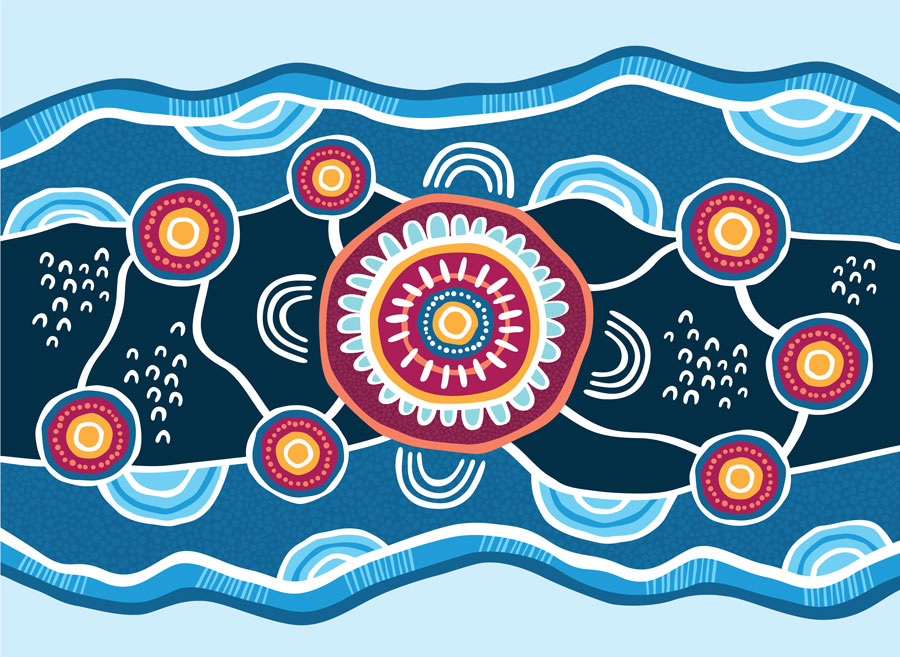
Reflection by Charmaine Mumbulla About the artwork
This artwork, Reflection, commissioned by Queensland Health’s Centre for Palliative Care Research and Education (CPCRE) portrays a circle at its heart. This circle represents the many complex layers of a person’s being as they move into the final stages of their life journey.
They are guided by the collective wisdom of their ancestors and supported by their loved ones and community. Through a series of interconnected circles, the artwork shows the connection between the person and the network around them (including caregivers, friends, family and community).
Two blue water-like pathways frame the circles and ‘reflect’ or mirror each other in gentle harmony. These represent the spiritual and earthly worlds.
The artwork communicates the profound sense of collectiveness, companionship and support that is a part of palliative care.
The artist, Charmaine Mumbulla is a Kaurna and Narungga woman from South Australia’s Yorke Peninsula, with family ties to the Gumbaynggirr people of the NSW Mid-North Coast. Together she and her partner Jason run an Aboriginal creative agency on Gadigal and Wangal Country called Mumbulla Creative.
Charmaine is passionate about working on projects that support social justice and works closely with organisations to tell their stories through her art.
Sabe
Sabe is a Torres Strait Islander word meaning learning, knowledge. Permission has been provided by Torres Strait Islander Elders to use the word ‘Sabe’ to incorporate all CPCRE Aboriginal and Torres Strait Islander projects.
Budja Wandi is a First Nations Community of Practice. It provides a safe space for First Nations health professionals who want to yarn about their experiences and challenges with supporting Aboriginal and Torres Strait Islander palliative patients and end-of-life care.
Budja Wandi aims to support the emotional and cultural wellbeing for First Nations health professionals facing challenges in everyday work, and that may carry collective traumas (grief, loss and bereavement related) that are often triggered for those working in palliative and end-of-life care.
Budja Wandi means ‘strong together’ in Gubbi Gubbi language group.
Kam Biman Covers
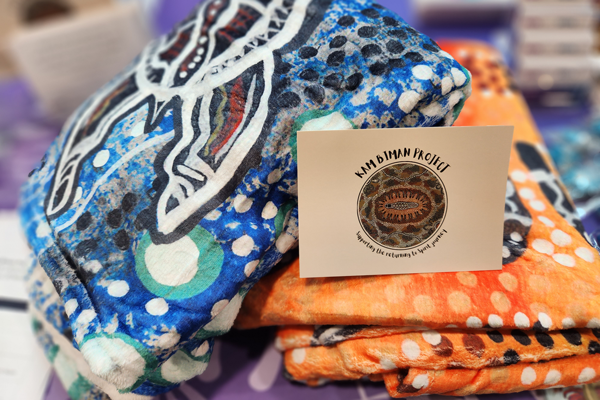
Kam Biman covers are available to Aboriginal and Torres Strait Islander patients who are on their returning to Spirit (palliative care) journey. The covers aim to provide warmth and comfort when accessing palliative and end of life care in hospital. Once the patient has returned to Spirit, the family may choose to keep the blanket as a symbolic token of their loved one and may be used to provide love, warmth and comfort throughout the grieving and healing journey.
Paediatric covers, toys, backpacks, stickers, and colouring in books with pencils and puzzles are available to palliative paediatric patients attending the Queensland Children’s Hospital or are receiving support from the Paediatric Palliative Care Services throughout Queensland. If you are interested, please contact ppcsmob@health.qld.gov.au.
Kam Biman means ‘cover’ in Gubbi Gubbi language group.
We Need to Know Before You Go Project
Having a cuppa and starting an Advance Care yarning conversation helps to plan ahead for Sad News and Sorry Business. Returning to Spirit, is a part of the end-of-life journey. A series of resources including tea bag covers, a booklet, lanyards, and folders have been created to encourage Advance Care yarning conversations. These resources are available upon request from sabe.cpcre@health.qld.gov.au and Advance Care Planning Australia.
Palliative Care Engagement Project
The project aims to develop and implement specific workforce recruitment, development, and service strategies to sustainably promote cultural safety and enhance workforce retention through mentoring and linking with existing Queensland and national initiatives to support First Nations palliative care. This project is funded and supported through Clinical Excellence Queensland’s Healthcare Improvement Unit.
Education, Events, and Resources
Education programs, events and resources have been developed to build knowledge and confidence of Aboriginal and Torres Strait Islander health professionals, and to support non-indigenous staff in providing culturally safe care to Aboriginal and Torres Strait Islander peoples approaching end of life. These include:
IPEPA – run a limited number of community engagement visits. These visits support network development, education provision, and planning of future IPEPA workshops. If you are interested in a workshop, but want to meet with the Identified Project Officer in person first, please contact pepaqld@health.qld.gov.au.
Walawaani and IPEPA week – two events which support building knowledge and networks through gathering, workshops, and placements.
Resources – multiple resources are available which promote culturally safe care for First Nation’s communities by providing best practice evidence relevant for all health disciplines.


 Sabe
Sabe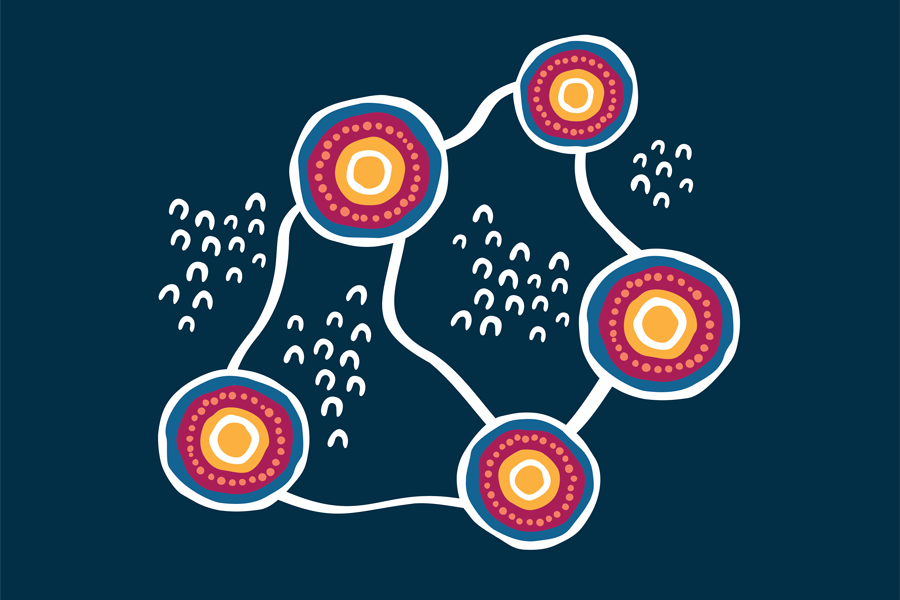 Budja Wandi Yarning Circle
 Kam Biman Covers
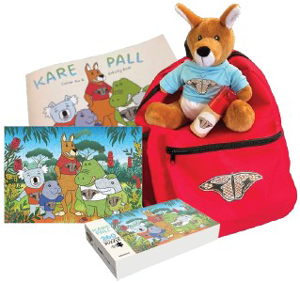 Paediatric covers, toys, backpacks, stickers, and colouring in books with pencils and puzzles are available to palliative paediatric patients attending the Queensland Children’s Hospital or are receiving support from the Paediatric Palliative Care Services throughout Queensland. If you are interested, please contact ppcsmob@health.qld.gov.au.