

An introduction
Improving health outcomes with First Nations peoples requires a strengthened, culturally safe health system, which is clearly articulated across state and national health policy landscapes and legislative environment. Queensland Health is committed to enacting system-wide reform, guided by First Nations voices, to eliminate racism and achieve health equity.
Health equity starts with truth and accountability
- First Nations Queenslanders continue to experience a disproportionate burden of disease, resulting from colonisation, systemic discrimination and racism in health care.
- Eliminating racism is essential to closing the health gap and practical strategies to eliminate racism must be embedded in all aspects of reform, from frontline care and policy design to governance and leadership.
Building a system for equity: policy and reform drivers
- The Making Tracks Policy and Accountability Framework (2010) and its investment strategies established a foundation for life-course-based, targeted health investment.
- Following the Queensland Human Rights Commission’s 2017 report on institutional racism, Queensland Health committed to becoming a racism-free, culturally safe health system.
- The 2020 National Agreement on Closing the Gap enabled structural change, introducing priority reforms and commitments to shared decision-making, growing the Aboriginal and Torres Strait Islander community-controlled sector, requiring government organisations to transform how they work with First Nations people, ensuring cultural safety, and sharing data and information.
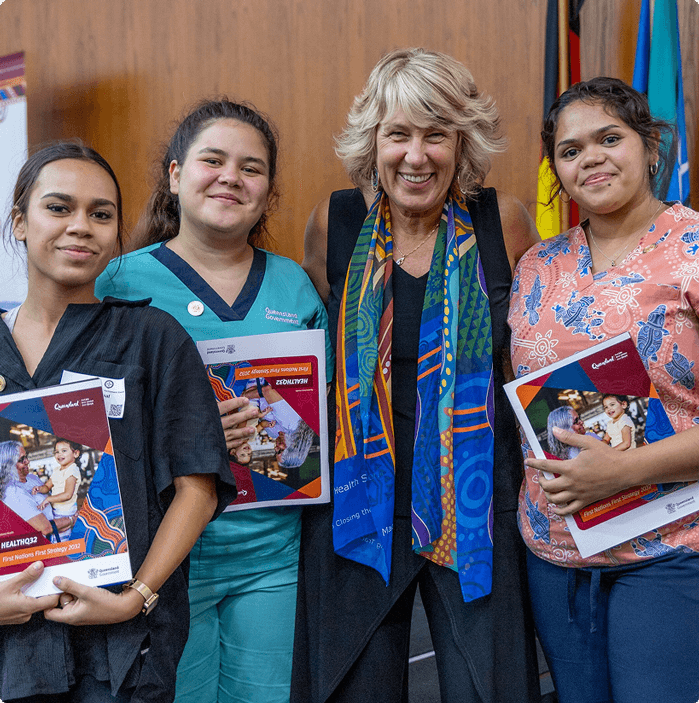
First Nations voices in the system
- Legislative reform in 2020 mandated First Nations membership on every hospital and health board, and the co-design, co-development and co-implementation of local health equity strategies by hospital and health services (HHSs) with First Nations peoples. In 2021, further legislative reform stipulated that the health equity strategies had to:
- increase equitable access to health care for First Nations people
- provide culturally safe healthcare for First Nations people
- influence the social, cultural and economic determinants of health
- increase representation of First Nations workforce across all employment categories and levels proportionate to the First Nations population in the HHS service area
- eliminate racism.
- The Chief First Nations Health Officer (CFNHO) acts as an enabler of change, elevating local initiatives and ensuring system-wide transformation is informed by First Nations voices.
- The First Nations Health Office (FNHO) leads systemic change efforts to address racism.
- The Queensland Aboriginal and Torres Strait Islander Clinical Network includes health professionals, consumers, caregivers and key stakeholders across Queensland who support First Nations peoples rights to self-determination within Queensland's health sector by putting First Nations peoples views, priorities and knowledge at the centre of their work.
First Nations people in the system
- First Nations leadership has grown across all levels of the system, including in all the HHSs, in each of the Offices of the Chief Nurse, Midwife and Allied Health Officers, and in the Mental Health, Alcohol and Other Drugs Strategy and Planning Branch.
- A Chief Aboriginal and Torres Strait Islander Health Workforce Officer (CATSIHWO) was appointed in 2024 to lead a coordinated First Nations workforce strategy supported by the establishment of the first ever Office of the CATSIHWO.
- Programs such as U-me Koola On Country learning and employment program for the First Nations health workforce, Deadly Start school-based traineeships and our First Nations University health cadetships are increasing clinical, administrative and professional representation of First Nations staff across Queensland Health.
- The successful negotiation of Queensland Health’s first Aboriginal and Torres Strait Islander Health Workforce Enterprise Bargaining Agreement.
- We have pioneered the Tjurty Nursing Leadership Program with the Queensland University of Technology (QUT) and the development of a Graduate Certificate in First Nations Culturally Safe Health Leadership with the University of Southern Queensland (UniSQ).
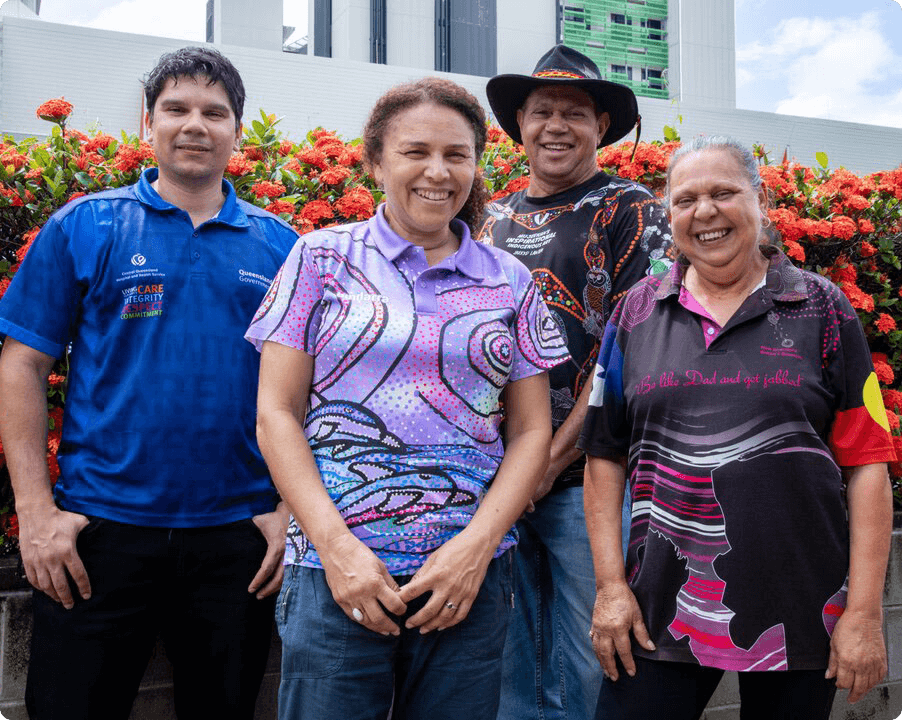
Partnerships for a more coordinated and integrated system
- First Nations key strategies and frameworks, include:
- Achieving Health Equity in Cancer Care for Aboriginal and Torres Strait Islander Queenslanders (2024)
- First Nations-led palliative care initiatives
- Queensland First Nations Burden of Disease Report (2018)
- Key strategic partnerships include:
- Development of culturally appropriate patient reported experience measures (PREMs)
- Joint data projects to improve person-centred outcomes and reduce missed appointments
- Launch of the Queensland Indigenous Healthinfonet with Edith Cowan University (ECU)
- Strengthened partnership with Queensland Aboriginal and Islander Health Council (QAIHC).
A culturally safe system through access and innovation in care
- Addressing access barriers is central to achieving health equity. Programs improving access include:
- hospital co-payment subsidy for medications
- Growing Deadly Families, Aboriginal and Torres Strait Islander Maternity Services Strategy 2019-2025
- Women’s Business Shared Pathway for culturally safe gynaecology care
- The Institute for Urban Indigenous Health’s (IUIH’s) Birthing in our Community (BiOC) a First Nations-led service for mums, bubs and families in southeast Queensland
- Mob ED program, which reduced emergency department ‘Did Not Wait’ rates for First Nations children
- monitoring and reducing missed opportunity to treat (MOTT) rates, with new key performance indicators included in hospital and health service agreements.
- Cairns and Hinterland Hospital and Health Service (HHS), Torres and Cape HHS and QAIHC opened a Care Coordination Service Centre (CCSC) in Cairns in November 2023 to provide far north communities with improved access and support to healthcare closer to home. The CCSC, the first of its kind in Queensland, acts as a single point of contact for patients with complex care needs, and supports them to navigate the health system. A range of co-located patient services such as travel, finance, referral systems and digital information services are available on-site to help streamline patients’ care journeys.
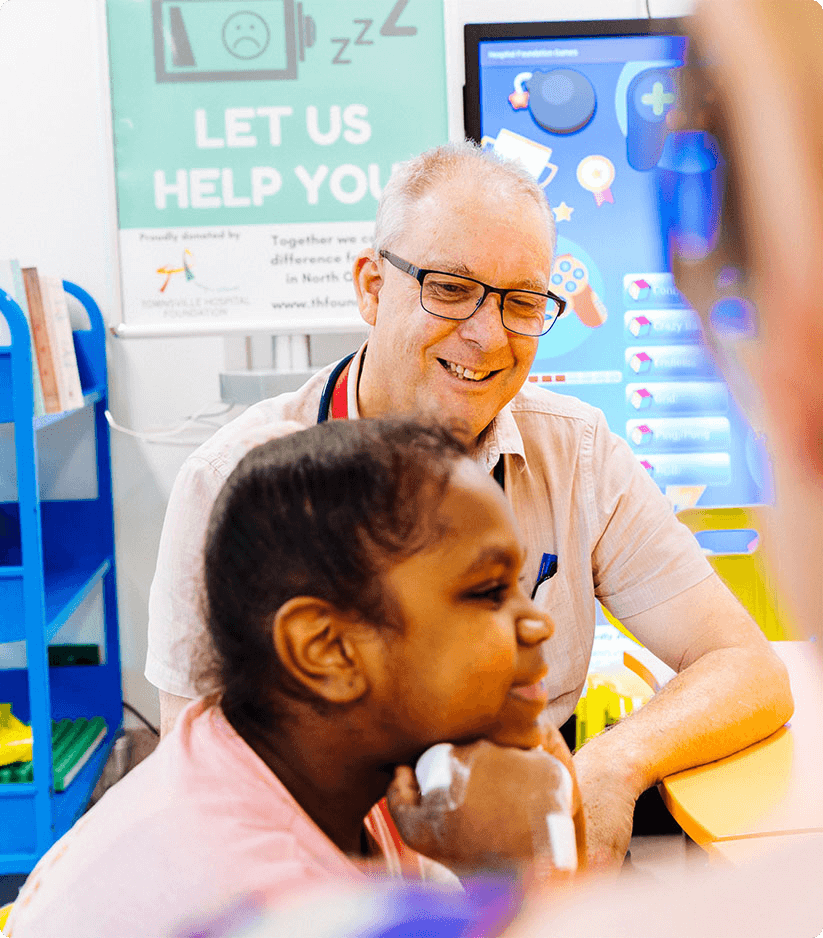
A responsive system in times of crisis
- During the COVID-19 pandemic, the CFNHO led swift, culturally responsive health protection strategies in partnership with communities.
- The First Nations First Strategy 2032 responds to systemic failures, including the preventable deaths of 3 First Nations women from rheumatic heart disease.
- Queensland Health is responding to the Queensland Audit Office’s recommendations to improve care pathways for First Nations peoples, especially in rural and remote communities.