

Chief First Nations Health Officer

Haylene Grogan
A proud Yalanji and Tagalaka woman with Italian heritage, Haylene Grogan brings more than 40 years’ experience across Aboriginal and Torres Strait Islander health and affairs at both state and federal levels.
Haylene began her career at Wuchopperen Aboriginal Medical Service in Cairns in 1982, first as a receptionist, then as an Aboriginal Health Worker. At the time, no formal training existed for the role, which led Haylene to pursue a career in nursing and midwifery.
Over the decades, Haylene has used her leadership to influence major reforms in legislation, policy, and service delivery across Australia. She has consistently championed the growth of the First Nations health workforce and strengthened First Nations leadership in the health system. Her work continues to drive better coordination, integration, and equity in funding and access to care.
Chief Aboriginal and Torres Strait Islander Health Workforce Officer
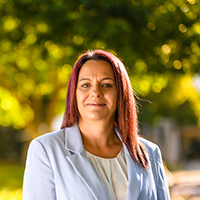
Rica Lacey
Rica Lacey is a proud Wakka Wakka woman who grew up in the Darling Downs region. She brings extensive clinical and leadership experience from both the Aboriginal and Torres Strait Islander Community Controlled Health Sector and Darling Downs Hospital and Health Service.
In this inaugural statewide role, Rica sits alongside other clinical leaders within Queensland Health, reflecting the vital contribution of the Aboriginal and Torres Strait Islander health professions. Her leadership strengthens interprofessional collaboration while building the visibility and capacity of the broader First Nations health workforce.
First Nations health leads
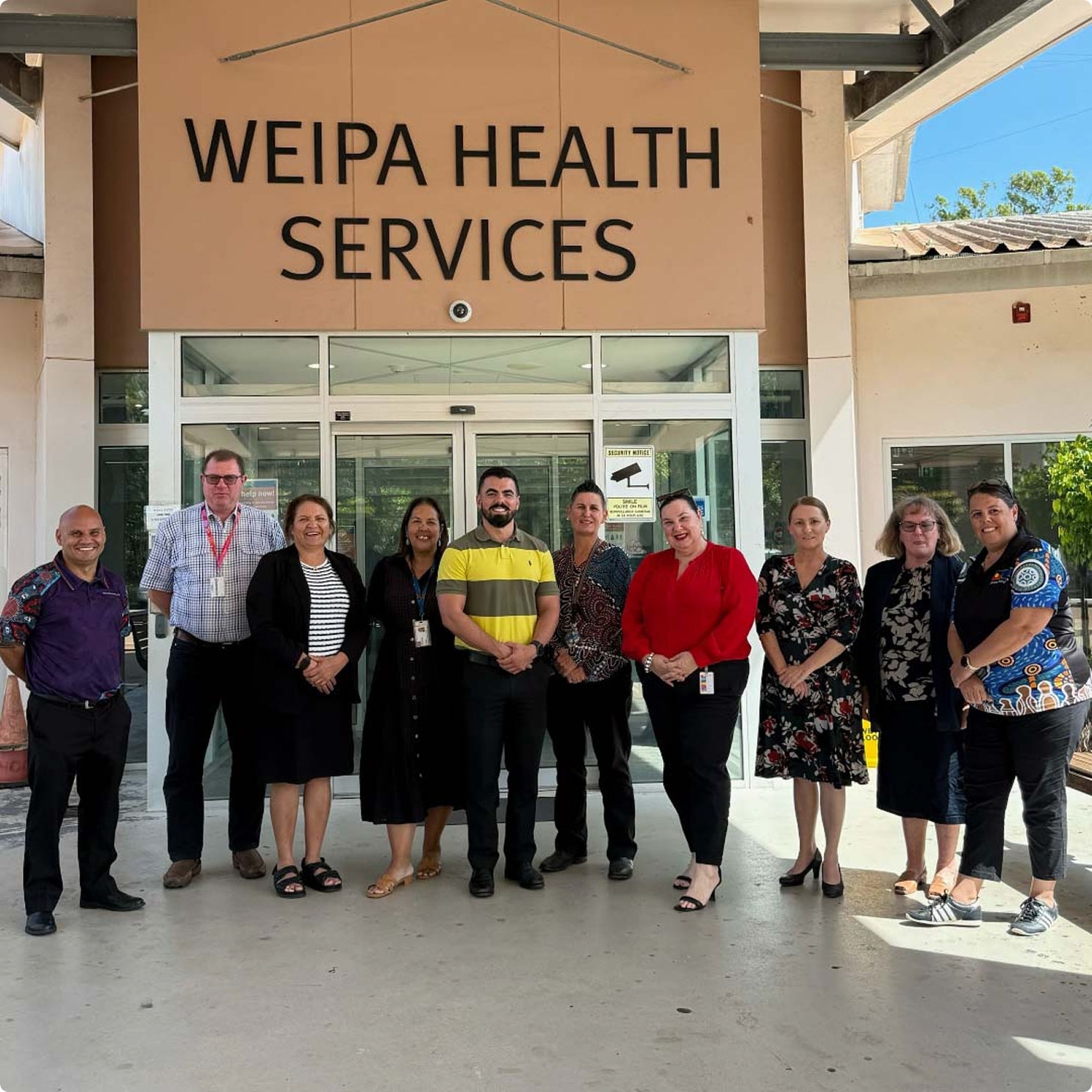
Every hospital and health service in Queensland now has a First Nations health lead on its executive team. Each of the Offices of the Chief Nurse, Midwife and Allied Health Officers as well as the Mental Health, Alcohol and Other Drugs Strategy and Planning Branch also have senior First Nations leadership. These roles ensure that First Nations perspectives are embedded in high-level decision-making and service design.
First Nations health leads are critical agents of change, providing expert cultural, systems and service advice. Their purpose is to work collaboratively across leadership forums to improve the:
- healthcare experience of Aboriginal and Torres Strait Islander peoples
- health system’s responsiveness to their specific healthcare needs.
At the time of releasing this report our First Nations health leads included (in no particular order):
- Angela Young, Children’s Health Queensland HHS
- Sherry Holzapel, Metro North HHS
- Denise Hookey Acting for Trudi Sebasio (on leave), Metro South HHS
- Kristy Hayes, Gold Coast HHS
- Maurice Woodley, West Moreton HHS
- Shelley Lawton, South West HHS
- Sharon Barry, Sunshine Coast HHS
- Donna Cruickshank, Central Queensland HHS
- Tina Griffiths, Central West HHS
- Paul Weir, Wide Bay HHS
- Bevan Little Acting for Kerry Maley (on leave), Mackay HHS
- Amanda Cooms, Townsville HHS
- Christine Mann, North West HHS
- Simone Lukies, Cairns and Hinterland HHS
- Reece Griffin, Torres and Cape HHS
- Melina Connors, First Nations Midwifery Director
- David Smith Acting for Rosey Borey (on leave), First Nations Nursing Director
- Corrine Butler, First Nations Allied Health Director
- Michelle Combo, Manager, Mental Health, Alcohol and Other Drugs Strategy and Planning Branch
- recruitment being finalised, Darling Downs HHS